The Flawed Logic of Border Restrictions
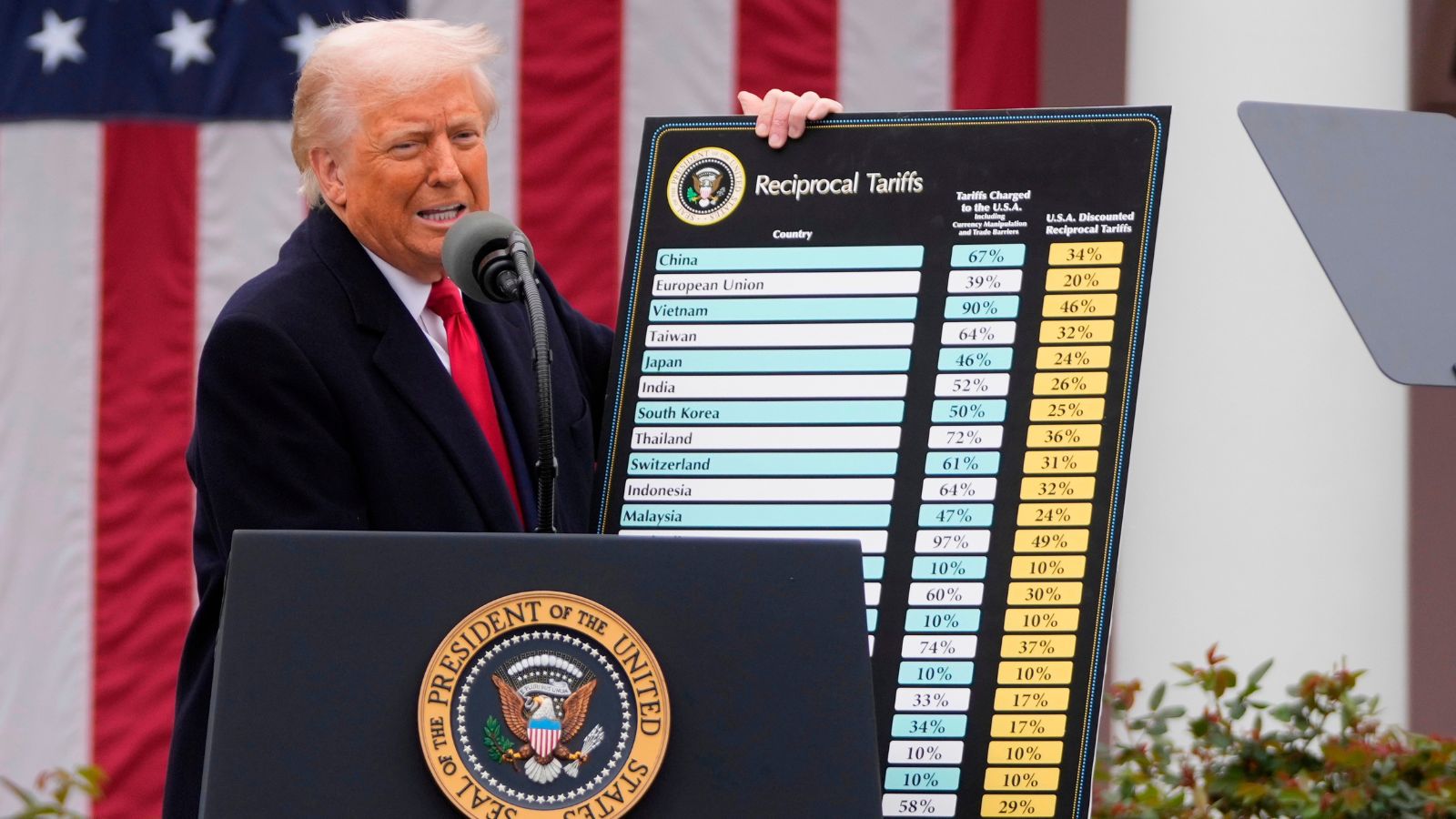
Mainstream trade commentary loves a clean narrative. Sixty nations hit with sweeping trade penalties targeting coerced supply chains makes for punchy headlines, but the economic reality is far more convoluted.
The mainstream reporting frames these measures as a decisive moral victory. It paints a picture of a targeted enforcement policy that will magically cleanse complex global production networks overnight. That perspective is naive.
Import bans and aggressive tariff hikes do not automatically clean up opaque supply chains. They simply push exploitation further into the shadows, create lucrative black markets, and penalize compliant, middle-tier suppliers who lack the legal budgets to prove their innocence.
+-------------------------------------------------------------+
|                 TRADITIONAL POLICY MODEL                    |
|                                                             |
| [New Tariffs/Bans] ---> [Importers Cut Ties]                |
|                    ---> [Clean Supply Chain (Theoretical)] |
+-------------------------------------------------------------+
                              vs.
+-------------------------------------------------------------+
|                   ACTUAL ECONOMIC IMPACT                    |
|                                                             |
| [New Tariffs/Bans] ---> [Third-Party Transshipment]         |
|                    ---> [Shadow Subcontracting]             |
|                    ---> [Increased Opaque Workplaces]       |
+-------------------------------------------------------------+
The Transshipment Shell Game
When a broad trade restriction hits a specific region or tier of production, capital does not suddenly become ethical. It shifts routes.
I have watched multinational procurement teams respond to policy shocks for over a decade. The initial reaction is rarely a genuine audit of deep tier-three and tier-four suppliers. Instead, it is a scramble to find third-party facilitators in neutral jurisdictions.
Consider how raw cotton or refined minerals move through global trade hubs:
- Primary Extraction: Raw materials are harvested or mined under unverified labor conditions in targeted areas.
- Initial Blend: Materials are shipped to intermediary processing facilities in non-targeted nations.
- Documentation Cleaning: The origin paperwork is rewritten during processing, blending the stock with compliant yields.
- Final Export: The finished good enters Western markets fully certified on paper, while the underlying human exploitation remains unchanged.
Heavy-handed tariff enforcement treats the symptoms while actively rewarding the brokers who excel at fraudulent paperwork.
Compliance Budgets Do Not Equal Human Rights
Broad enforcement regimes force companies into a paper-chase mentality. Corporate legal departments spend millions on third-party auditors who drop into factories for scheduled walkthroughs.
Scheduled factory audits are compliance theater. Local managers know when the clipboard brigade is arriving, clean up the shop floor for forty-eight hours, hide non-compliant rosters, and pass with flying colors.
Small and medium-sized manufacturers in developing markets cannot afford the exorbitant legal fees required to rebut a customs detention order. The actual bad actors, backed by state subsidies or illicit networks, treat these fines and tariffs as a standard cost of doing business.
The net effect is market consolidation: ethical, resource-constrained suppliers get pushed out, leaving the market entirely to well-capitalized operations that know how to fake compliance.
Dismantling the Primary Misconceptions
Will higher tariffs protect domestic workers from unfair competition?
No. Raising import costs on broad categories of goods increases input costs for domestic manufacturers who rely on imported raw materials. When raw material costs surge, domestic firms cut labor expenses or stall hiring to preserve operating margins.
Don't strict tracing requirements force foreign factories to reform?
Only if enforcement mechanisms can accurately trace down to the raw material level across multiple borders. Current forensic technologies, like isotopic testing or blockchain tracking, are expensive and far from universally applied. Without total physical verification, tracing regimes rely on paper trails, which are easily forged in high-risk jurisdictions.
Rethinking Supply Chain Accountability
If blunt-force tariffs fail to achieve their stated human rights goals, what actually works?
Real accountability requires shifting from punitive border stops to direct, continuous economic incentives on the ground.
- Shift Liability to C-Suite Executives: Paper audits mean nothing if executives face zero personal accountability. Requiring legal attestation of raw-material origins under penalty of perjury changes corporate risk calculus overnight.
- Fund Independent Local Whistleblowers: Instead of paying Western auditing firms thousands of dollars per visit, fund confidential reporting channels run by local non-governmental organizations directly on the ground.
- Tie Tariff Drops to Verifiable Wage Metrics: Provide clear, gradual tariff reductions for foreign facilities that demonstrate direct, verified union representation and living-wage payouts verified by local workers rather than national agencies.
Slapping tariffs on dozens of countries looks strong in press releases, but administrative trade barriers cannot solve systemic global labor abuses. Until trade policy targets root economic incentives rather than surface-level paperwork, broad tariffs will remain an expensive exercise in political posturing.


