The fragile truce in the Gulf is bleeding out, and the latest exchange of fire proves nobody is willing to back down.
Early Thursday morning, Iran’s Islamic Revolutionary Guard Corps (IRGC) claimed it launched a targeted strike against an American military airbase. According to statements carried by Iran's state broadcaster IRIB and the Tasnim news agency, the pre-dawn strike at 4:50 a.m. local time was a direct retaliation. Hours earlier, American aerial projectiles pounded the outskirts of Bandar Abbas Airport, a hyper-strategic gateway hugging the Strait of Hormuz.
Tehran calls its move a stern warning. Washington calls its own actions purely defensive. Meanwhile, Kuwaiti air defenses spent the morning frantically intercepting hostile missiles and drones, showing everyone just how fast this situation can spiral out of control.
If you think this is just another routine skirmish in the Middle East, you're missing the bigger picture. The April 19 ceasefire is effectively dead in all but name. Both sides are playing a high-stakes game of chicken with global energy corridors, and neither wants to look weak while backroom diplomats try to stitch together a permanent deal in Qatar.
The Triggering Event Near Bandar Abbas
This latest escalation didn't happen in a vacuum. It started in the narrow waters of the Strait of Hormuz, where the IRGC Navy tried to flex its muscles.
According to Iranian military sources, local naval forces confronted four vessels attempting to cross the strait without securing permission or coordinating with Tehran. IRGC forces issued radio warnings, which were ignored, prompting them to fire warning shots that forced the ships to turn back.
But the real flashpoint involved an American oil tanker. The IRGC claims the tanker attempted to sneak through the strait with its radar and transponder systems switched off. IRGC naval units opened fire toward the tanker to force a detour.
That's when the US military swung heavy.
United States Central Command didn't wait around. A US official confirmed that American forces immediately executed overnight strikes to neutralize an imminent threat. They shot down four Iranian one-way attack drones and obliterated a ground control station right in Bandar Abbas that was actively prepping a fifth drone for launch.
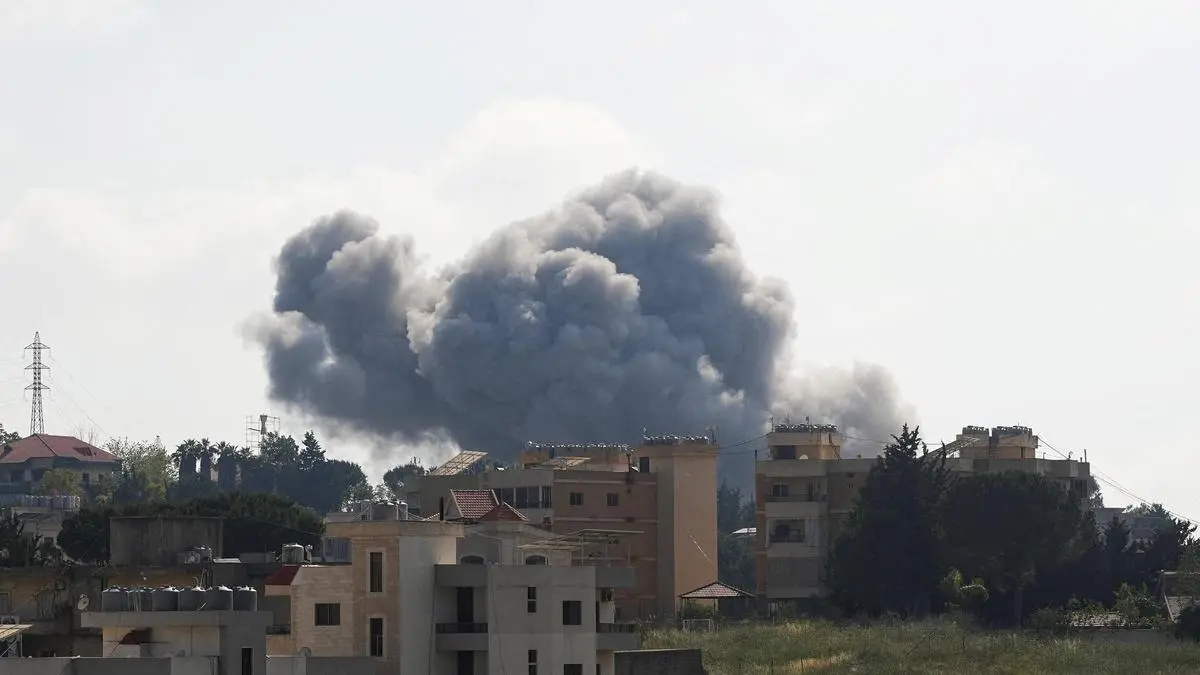
The sound of explosions rocked the eastern edge of the port city around 1:30 a.m., leaving scorched earth near the local airport. While Iran claims the American strikes hit open ground with zero casualties, the message from the Pentagon was clear: don't touch the shipping lanes.
Retaliation and the Shadow over Kuwait
Iran's response was fast. Within three hours of the American bombardment, the IRGC fired back at the unspecified US airbase it identified as the origin of the drone-hunting mission.
"Following the pre-dawn aggression today by the invading American army against a point on the outskirts of Bandar Abbas Airport using aerial projectiles, the American airbase, as the origin of the aggression, was targeted at 4:50 a.m." — IRGC Official Statement via Tasnim News Agency
While the IRGC deliberately kept the exact target vague, neighboring Kuwait suddenly found itself in the crosshairs. The Kuwaiti military confirmed its air defense systems engaged and intercepted multiple incoming missile and drone threats, warning its citizens to brace for the sound of loud explosions.
Kuwait hosts thousands of American troops and critical infrastructure, making it a highly logical, proxy target for Iranian retaliation if Tehran wanted to hit a US footprint without striking a massive base inside a country like Qatar where active diplomatic talks are happening.
Why Both Sides Claim the Ceasefire Still Holds
Here is the weirdest part of the entire conflict: both Washington and Tehran are destroying each other's equipment while publicly insisting the ceasefire is technically alive.
A US official told major media outlets that the Pentagon's actions were measured, defensive, and fully intended to maintain the status quo. On the flip side, Iranian Foreign Ministry spokesperson Esmail Baghaei went on social media to fiercely condemn the US, invoking Article 51 of the UN Charter to justify Iran's "self-defense" while demanding the UN Security Council step in.
It is a bizarre diplomatic dance. Neither country wants to be blamed for officially collapsing the April truce, yet neither will tolerate the other gaining a tactical edge.
Look at what is happening behind the scenes. US Secretary of State Marco Rubio recently noted that intense negotiations are happening through Qatari intermediaries. The language in the initial documents is being heavily contested.
The underlying friction points are massive:
- The Shipping Lockout: Donald Trump recently declared that no one will control the Strait of Hormuz and that the US military is fully prepared to release blockaded Iranian boats.
- The Frozen Assets: Tehran refuses to sign anything unless Washington releases a guaranteed chunk of frozen Iranian financial assets as an immediate first step.
- The Uranium Issue: The White House is holding a firm line that Iran's enriched uranium must either be destroyed or shipped out of the country entirely.
The Reality of Negotiating on Fumes
Donald Trump isn't hiding his strategy. He openly stated that Iran is negotiating on fumes, pointing to an economy crippled by a three-month total internet blackout, rampant inflation, and a crushing naval blockade enforced by 15,000 American troops in the region.
Trump is betting that economic ruin will force Iran to accept a highly restrictive nuclear deal. He even brought Pentagon chief Pete Hegseth into recent cabinet meetings to signal that the military is ready to finish things if talks fall apart.
But Washington is miscalculating Iranian internal dynamics. The IRGC operates on its own timeline, frequently bucking the softer diplomatic approach of Iranian President Masoud Pezeshkian. While Pezeshkian has been trying to restore domestic internet access and ease tensions to get sanctions lifted, the IRGC is busy firing on tankers and launching drones to prove they can still choke global oil transit if pushed into a corner.
Ebrahim Azizi, the head of the Iranian parliament’s national security committee, summed up the regime's stubbornness perfectly by stating that Trump's rhetoric won't force them to abandon uranium enrichment or surrender authority over their coastal waters.
What to Watch Next
The situation on the ground is moving too fast for standard diplomatic channels to keep up. If you want to understand where this crisis goes over the next 48 hours, ignore the boilerplate press releases and watch these three specific variables.
First, track the volume of commercial maritime traffic opting to bypass the Strait of Hormuz. Insurance premiums for oil tankers in the Persian Gulf are bound to skyrocket after this morning's live-fire engagement. If major shipping firms start rerouting vessels, the economic fallout will hit global energy markets instantly.
Second, monitor the official statements out of Kuwait City. If Kuwait explicitly blames Iran for the intercepted drones and missiles, it signals a deeper fracture among Gulf nations and could pull US-allied Arab states directly into the military friction zone.
Finally, keep an eye on the specific language leaked from the Qatari delegation. The deal is stuck on sequencing—whether the US blinks and releases cash first, or if Iran blinks and stops its enrichment centrifuges. Until one side yields on that specific point, expect more pre-dawn explosions around Bandar Abbas.