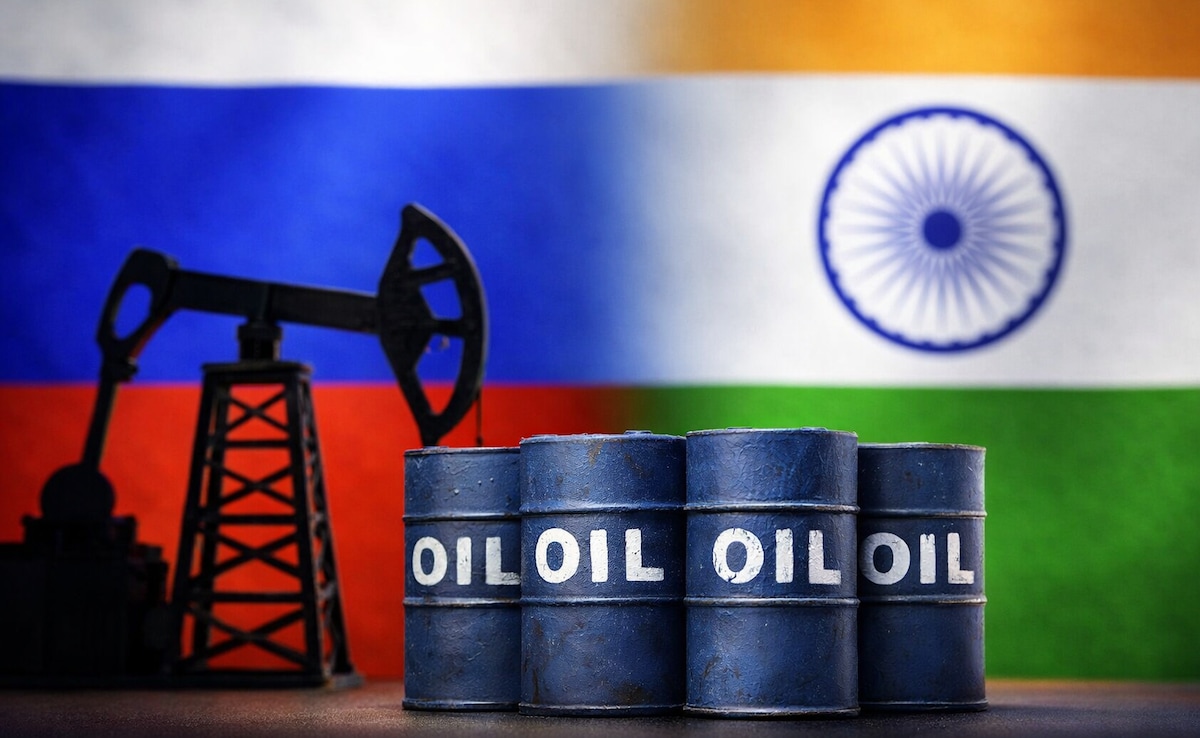
Washington just hit the brakes on its own pressure campaign against Russian oil and the timing isn't a coincidence. As the Middle East slides toward a broader conflict between Israel and Iran, the White House has realized it can't fight a two-front energy war. They’ve quietly eased up on enforcing the strict price caps and waivers that were supposed to starve the Kremlin’s war machine. This shift isn't just a technicality in maritime law. It’s a massive lifeline for India, a country that’s managed to turn global chaos into a masterclass in strategic autonomy.
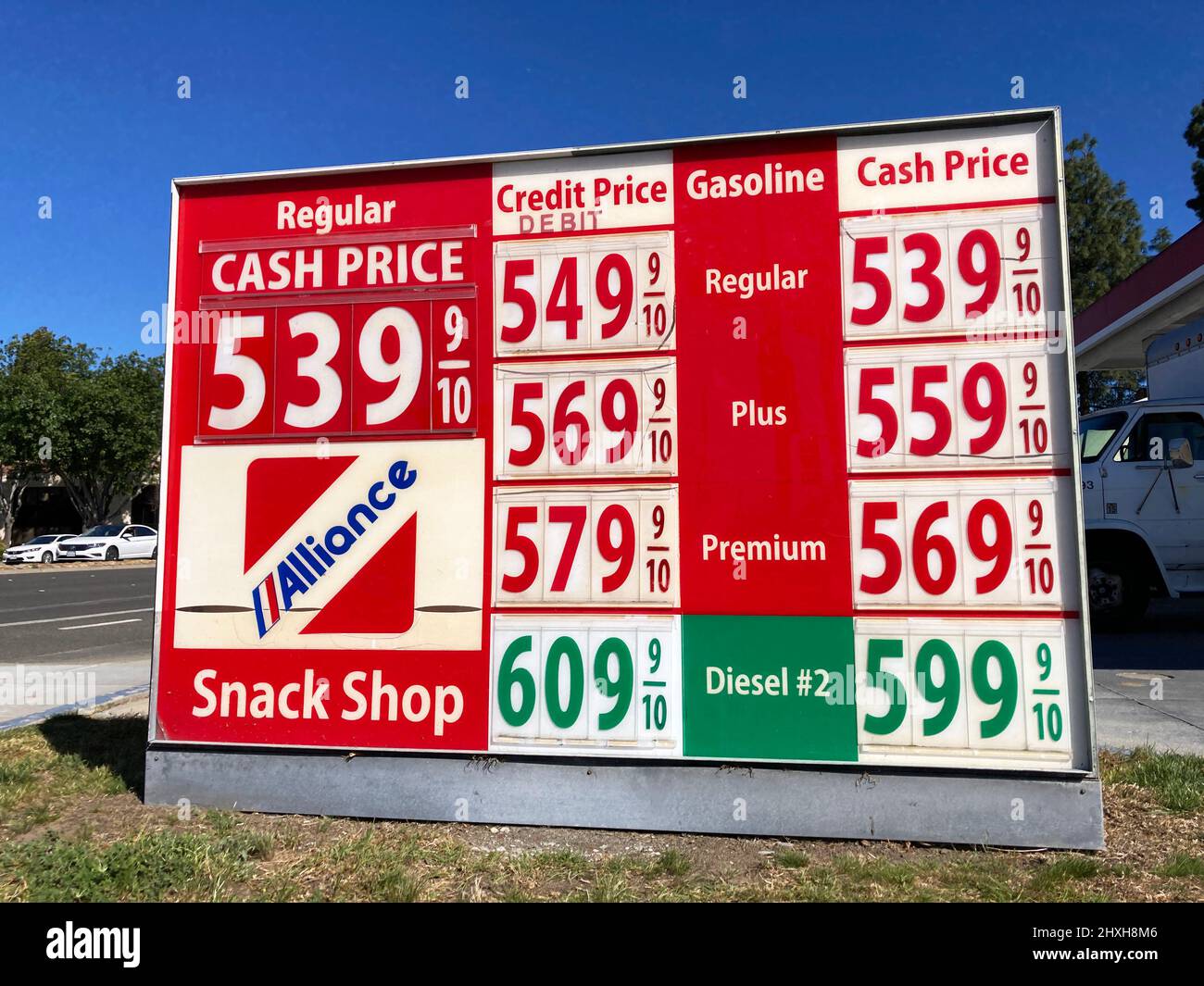
The U-turn comes at a moment when Brent crude is flirting with levels that make Western politicians sweat. If the US pushes too hard on Russian tankers while Iran is threatening to choke the Strait of Hormuz, gas prices in Ohio and Florida go through the roof. It’s a simple math problem with a messy political solution. By letting Russian oil flow more freely, the US is using India as a safety valve for the global economy.
The Quiet Death of the Oil Price Cap
The G7 price cap was always a bit of a gamble. The idea was to keep Russian oil moving so the global supply didn't crash, but to limit the profit Putin could make by capping it at $60 a barrel. For a while, the US Treasury Department was busy blacklisting individual tankers and shipping companies that defied the rules. But that aggressive enforcement has hit a wall.
Recent data from the International Energy Agency (IEA) shows that the vast majority of Russian Urals crude is now trading well above that $60 mark. Instead of cracking down and risking a supply shock, Washington has started looking the other way. They've softened the language on "secondary sanctions," which are the real teeth of the policy. This softening gives Indian refiners the green light to keep the taps open without fear of losing access to the US financial system.
It's a classic case of realpolitik. You can't scream about inflation at home while simultaneously removing 5 million barrels of Russian oil from the daily market. The Biden administration knows this. They've opted for a "soft touch" approach because the alternative is an energy crisis that would likely hand the next election to their opponents.
Why India is the Biggest Winner in this Energy Chess Match
India doesn't just buy Russian oil. It processes it, uses what it needs, and then sells the refined products back to—you guessed it—Europe and the US. It's a massive irony that the very countries screaming about Russian aggression are fueled by diesel made from Russian crude in Indian refineries like Jamnagar.
This U-turn on waivers means Indian giants like Reliance Industries and Nayara Energy can breathe a sigh of relief. Earlier this year, there was genuine panic that US sanctions on Sovcomflot, Russia's state-owned shipping company, would make it impossible to move the goods. Now, with the US prioritizing "market stability" over "punitive measures," those logistics hurdles are melting away.
India’s share of Russian oil imports jumped from less than 2% before the Ukraine war to over 40% recently. That’s not just a small increase. It’s a total transformation of the global trade map. By buying at a discount—even if that discount is shrinking—India has saved billions of dollars. That money isn't just sitting in a bank. It’s being used to subsidize domestic fuel prices and fund infrastructure, effectively using the West’s geopolitical struggle to finance India’s rise.
The Iran Factor Changes Everything
The escalating tension between Israel and Iran is the real reason the US changed its tune. Iran is a major player in the shadow fleet world, and any direct hit on their export capacity would send the market into a tailspin. If the US were to enforce Russian sanctions strictly while Iran's exports were also under threat, we'd be looking at $120 oil overnight.
The White House is essentially choosing the lesser of two evils. They've decided that a well-funded Russia is a problem for tomorrow, but a global energy collapse is a problem for today. By allowing India to continue its role as the world's "laundry" for Russian oil, they keep the global supply high enough to offset any potential loss of Iranian barrels.
India is positioned perfectly here. It has a long-standing relationship with Tehran and a growing partnership with Washington. Prime Minister Modi’s government has made it clear: India’s first priority is its own energy security. They aren't interested in picking sides in a neo-Cold War if it means their citizens can't afford to drive to work.
Breaking Down the Discount Myth
You’ll hear a lot of talk about the "massive discounts" India gets on Russian oil. Let's get real. Those discounts aren't what they used to be. In the early days of the war, India was snagging barrels for $30 less than Brent. Today, that gap has narrowed significantly, often hovering between $3 and $5.
So why do they still buy it? It’s about volume and reliability. Russia has become India’s top supplier, overtaking Saudi Arabia and Iraq. This shift gives India leverage. They’re no longer beholden to the whims of the OPEC+ cartel. By having a steady stream of Russian crude, India can negotiate better prices with Middle Eastern suppliers who are now desperate to win back their market share.
The US U-turn confirms that this strategy worked. India called the West's bluff. They gambled that the world needed their refining capacity more than the world needed to punish Russia, and they won.
The Shipping Shadow Market Goes Mainstream
One of the most fascinating side effects of this policy shift is the legitimization of the "shadow fleet." For two years, a massive network of aging tankers with mysterious ownership has been moving Russian oil. The US tried to fight this by sanctioning specific vessels.
But the U-turn suggests a realization that you can't play whack-a-mole with 600 ships. Instead of trying to stop the ships, the US is now focusing on "transparency" and "price verification." It’s a polite way of saying they’ve given up on stopping the trade and just want to make sure it doesn't get too messy.
Indian shipping companies and insurers are stepping into this space. They’re providing the services that Western companies are too scared to touch. This is building a parallel financial and logistical infrastructure that doesn't rely on the dollar or London-based insurance markets. It’s a long-term threat to Western financial hegemony, but in the short term, it’s what’s keeping the lights on in Europe.
What This Means for Global Inflation
If you’re wondering why your flight tickets or grocery bills haven't doubled in the last six months despite two major wars, look at the Indian energy corridor. India’s ability to process Russian crude into jet fuel and diesel has been a massive deflationary force.
The US knows this. Jerome Powell and the Federal Reserve are fighting a war against inflation, and high energy prices are their worst enemy. The "U-turn" is a silent acknowledgment that Indian refineries are an essential part of the American domestic policy toolkit. It’s an awkward truth that neither Washington nor New Delhi likes to shout about, but the data doesn't lie.
Strategic Steps for the Road Ahead
The era of cheap, easy energy is over, but the era of strategic energy maneuvering is just beginning. If you're tracking these markets, you need to look past the headlines about "sanctions" and "solidarity."
- Watch the spread between Brent and Urals. If it stays narrow, it means the US has effectively abandoned the price cap.
- Monitor Indian refinery throughput. Any dip there is a sign of trouble for global diesel supplies.
- Keep an eye on the Strait of Hormuz. Any disruption there will make the US even more reliant on Russian oil flowing through India.
The reality is that India has successfully positioned itself as the indispensable middleman. The US U-turn isn't a sign of weakness; it's a sign of exhaustion. They've realized that in a world on fire, you don't turn off the fire hydrant just because you don't like who owns the water company. India is holding the hose, and for now, everyone is happy to let them keep spraying.