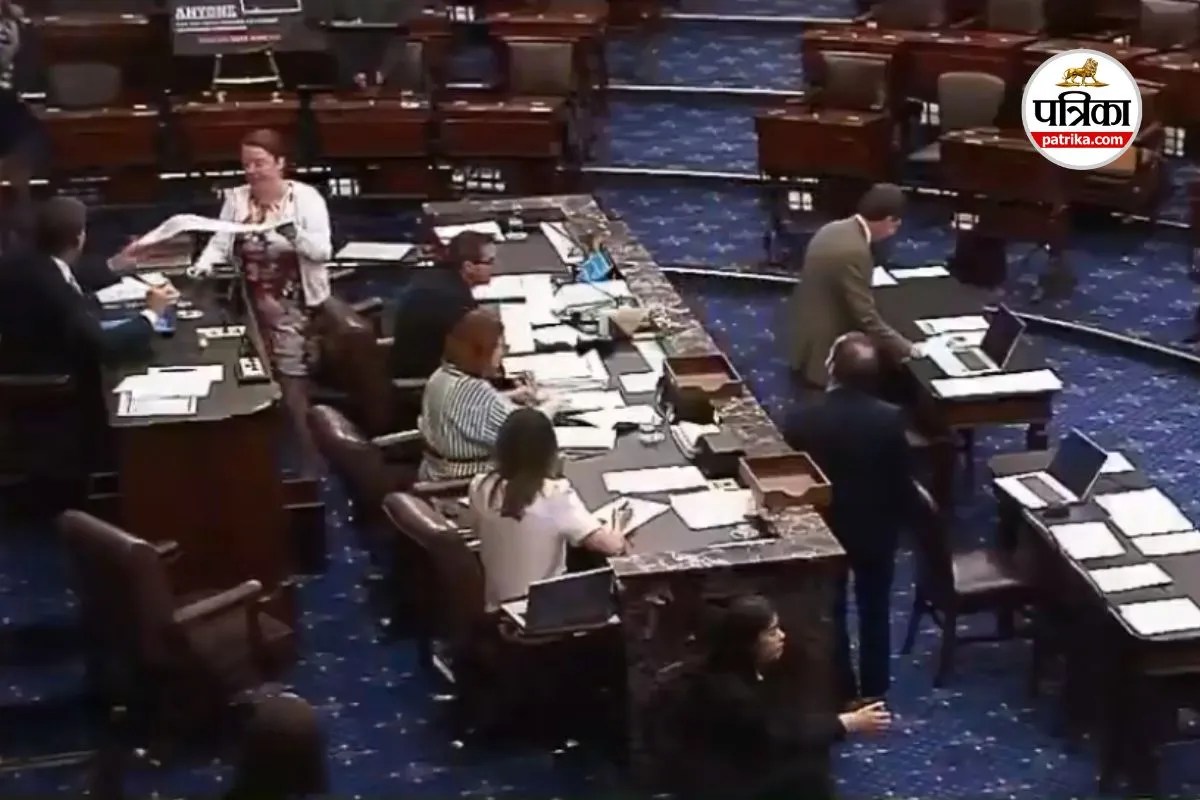
The United States Senate just kept presidential war authority fully intact. A high-stakes procedural motion fell short in a razor-thin 49-50 vote, halting an attempt to pull American forces out of active hostilities with Iran. If you are wondering why Congress keeps failing to check executive military power, the answer lies in strict party lines, sudden floor defections, and deep institutional gridlock.
Senator Kirsten Gillibrand brought the war powers resolution to the floor, aiming to force an immediate withdrawal of unauthorized troops. It didn't work. The narrow defeat leaves the administration's military mandate completely untouched, proving that even a deeply polarized Washington struggles to alter course once a conflict starts.
Behind the Numbers of the Senate Showdown
The final tally exposed minor fractures on both sides of the aisle, but not enough to change the outcome. Three Republican senators—Susan Collins of Maine, Lisa Murkowski of Alaska, and Rand Paul of Kentucky—broke ranks to vote in favor of limiting hostilities. On the other side, Democratic Senator John Fetterman of Pennsylvania crossed over to vote with the majority against the measure. Kentucky Republican Mitch McConnell missed the vote due to health issues.
This split reveals a messy reality. Lawmakers are feeling intense pressure from constituents regarding rising monthly household bills, yet party loyalty and strategic calculations still dominate floor votes.
Why This Resolution Mattered Right Now
The timing of this vote was everything. It arrived just as the Pentagon signaled it needs roughly eighty billion dollars more to sustain the war effort, building on top of more than thirty-seven billion dollars already spent. A fragile ceasefire brokered earlier in the year collapsed, triggering fresh waves of retaliatory airstrikes across the region.
Critics argued that the ongoing conflict directly drives up domestic energy costs and hurts working families. Proponents of the executive's stance countered that tying the commander-in-chief's hands mid-conflict compromises national security.
The Constitutional Tug-of-War
Article I of the Constitution gives Congress the sole power to declare war. Yet, modern conflicts rarely follow that clean textbook definition. The 1973 War Powers Resolution was supposed to fix this imbalance by capping unauthorized engagements at sixty days.
In practice, administrations routinely find workarounds. White House officials have argued that the statutory clock pauses during ceasefires or that the resolution itself infringes on executive authority. Because procedural motions require a clean majority to advance past committee stalls, executive power almost always wins unless a massive, veto-proof consensus emerges. That consensus simply does not exist right now.
What Happens Next on Capitol Hill
Expect more symbolic votes and mounting friction. The House of Representatives has already passed its own versions of similar resolutions, but because those are concurrent measures, they lack the legal teeth to force an immediate presidential withdrawal.
If you want to track where American foreign policy goes from here, watch the upcoming defense appropriations hearings. Lawmakers who cannot stop a war through direct war powers resolutions still hold the purse strings for military funding. That is where the real fight over Iran will take place next.
US Senate approves war powers resolution in rebuke to Trump over Iran conflict
This video provides an in-depth look at how the Senate has navigated war powers resolutions and the broader political debate surrounding executive military authority during the conflict.
http://googleusercontent.com/youtube_content/1