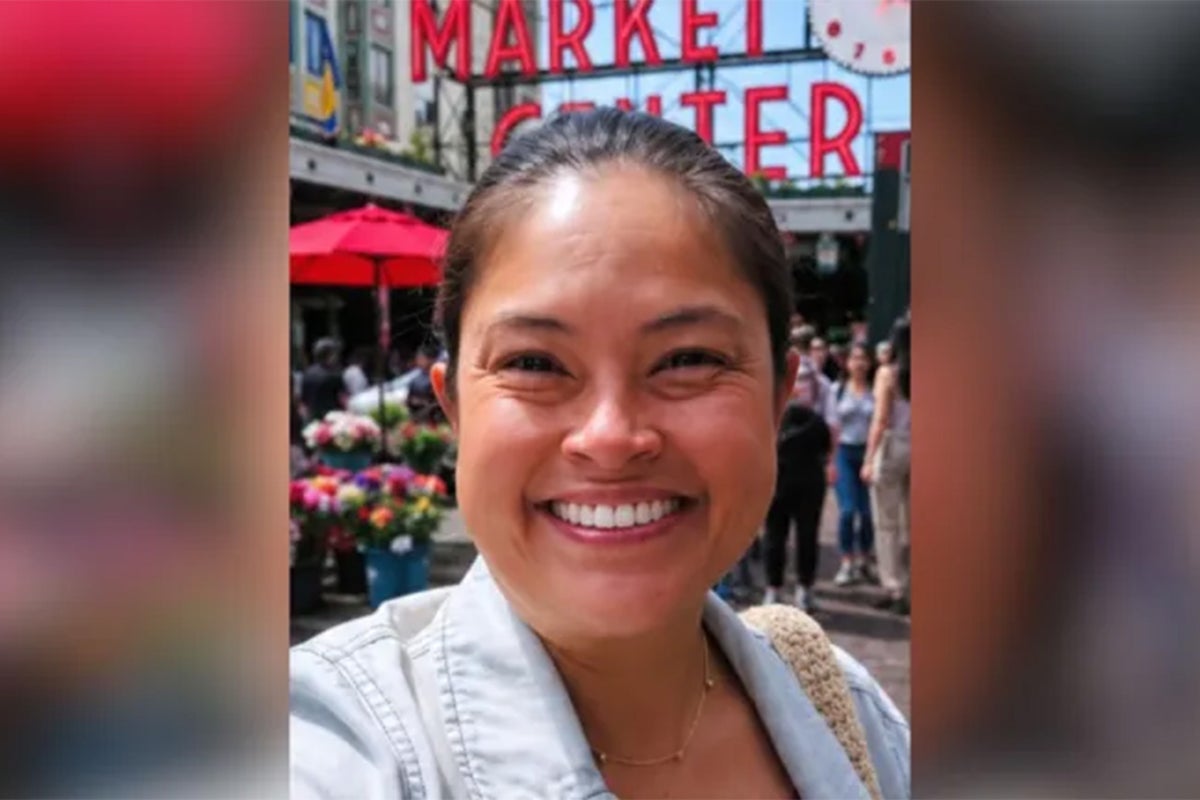
On July 6, Angelica Brophy dropped her young daughter off at a summer day camp in Oceanside, California, at 9:30 a.m. By nightfall, the 44-year-old emergency room nurse and mother of two had vanished into thin air. Search operations at Palomar Mountain State Park officially halted their physical operations after weeks of combing dense terrain, leaving a trail of puzzling digital breadcrumbs and unanswered questions that law enforcement appears unable to resolve.
The case presents a glaring paradox in modern missing persons inquiries. Brophy left behind a pristine trail of physical evidence—her vehicle, phone, wallet, cash, and identification—yet investigators insist there is zero evidence of foul play. The gap between what the evidence suggests and what official updates communicate points to a familiar pattern in rural-adjacent missing person cases: an over-reliance on superficial timeline markers while broader systemic angles get sidelined.
A Timeline Built on Surveillance and Dead Ends
The standard account of Brophy’s final known hours moves with eerie precision before stopping cold.
- 9:30 a.m.: Brophy drops her daughter at camp in Oceanside.
- 3:30 p.m.: Surveillance footage captures her at Harrah’s Resort in Valley Center, roughly 30 miles inland.
- 4:20 p.m.: She purchases an entry pass at Palomar Mountain State Park, driving in alone.
- 7:00 p.m.: Brophy fails to report for her scheduled shift as a registered nurse at Kaiser Permanente in San Marcos.
- 9:30 p.m.: She is officially reported missing to the Oceanside Police Department.
+-------------------------------------------------------------------+
| July 6 Timeline: Known Movements                                  |
+-------------------------------------------------------------------+
| 09:30 AM | Summer Camp Drop-off (Oceanside)                       |
| 03:30 PM | Harrah's Resort Footage (Valley Center)               |
| 04:20 PM | State Park Entry Pass Purchased (Palomar Mountain)      |
| 07:00 PM | Missed ER Shift (Kaiser Permanente, San Marcos)        |
+-------------------------------------------------------------------+
When search crews located Brophy's crossover SUV parked inside the state park days later, they found her essential belongings sitting undisturbed inside. Her purse, driver’s license, cash, wallet, and passport were all present. So was her mobile phone, which detectives attempted to ping on July 8, only to find the device powered off or drained of battery.
Leaving high-value personal items, including a passport and cash, inside an unlocked or abandoned vehicle strongly contradicts the typical profile of a voluntary departure. Yet, official briefings continue to classify the case as an open missing person investigation with no sign of criminal intent.
The Flaws in the Non-Foul-Play Presumption
Law enforcement agencies often lean on the "no evidence of foul play" default when clear physical trauma, forced entry, or defensive struggle signatures are missing from a vehicle scene. That framing is profoundly reductive.
In vast wilderness zones like Palomar Mountain—a rugged terrain spanning over 1,800 acres with severe elevation drops and dense forest cover—the absence of blood or broken glass means very little. An abduction or forced transport carried out through intimidation, psychological distress, or a sudden medical emergency outside the vehicle leaves almost no physical trace on the vehicle itself.
"When someone leaves behind every tool required to navigate modern society—including their phone, money, and identity documents—treating the site as a standard wandering case wastes critical early hours."
Furthermore, the six-hour window between the morning camp drop-off and the 3:30 p.m. casino appearance remains largely unaccounted for in public records. Why did an experienced ER nurse with an evening shift ahead drive to a casino resort, step inside briefly, and then immediately head deeper into the mountains?
+------------------------------------------------------------------+
| Critical Missing Evidence & Unanswered Questions                 |
+------------------------------------------------------------------+
| 1. Unaccounted Window : Where was Brophy between 9:30 AM & 3:30 PM? |
| 2. Casino Interacting : Did she meet anyone inside Harrah's?     |
| 3. Digital Trail     : Why was her Apple Watch ping location key?|
| 4. Vehicle Condition : Were exterior surfaces processed for DNA? |
+------------------------------------------------------------------+
Ground Searches Reach Their Structural Limits
Search and rescue operations in wilderness cases face hard logistical boundaries. Teams deployed trained tracking dogs, ground personnel, overhead drones, and specialized dive units to drag Doane Pond inside the park limits. After multiple days of sweeping thick brush and sub-surface waters, state and county agencies suspended active physical searches.
This suspension highlights a fundamental flaw in rural SAR protocol: physical searches are designed to locate lost hikers or visible distress victims, not to solve complex disappearance puzzles where a person may have left the search perimeter in another vehicle.
If Brophy stepped out of her vehicle at Palomar Mountain, she did so as an avid hiker and marathon runner in peak physical condition. The assumption that an experienced outdoors person simply wandered off a main path and vanished without a trace within minutes of parking ignores her background and physical capabilities.
What the Investigation Must Target Next
To move past the current stalemate, the investigative priority must shift from ground sweeps to technical analysis.
- Comprehensive License Plate Reader (ALPR) Audits: Authorities must process every vehicular entry and exit log along Highway S6 and surrounding access roads up Palomar Mountain between 4:00 p.m. and midnight on July 6.
- Expanded Casino Forensics: Video surveillance from Harrah’s Resort needs to be analyzed beyond the lobby footprint to track potential interactions in parking structures or adjacent common areas.
- Wearable Device Telemetry: While the phone was off, data from Brophy's Apple Watch—which initially guided searchers to the general sector—holds granular health and GPS telemetry cached prior to signal loss.
Until law enforcement aggressively investigates the possibility of third-party involvement or psychological coercion, the disappearance of Angelica Brophy remains an open wound for her family and a troubling blind spot in regional public safety.


