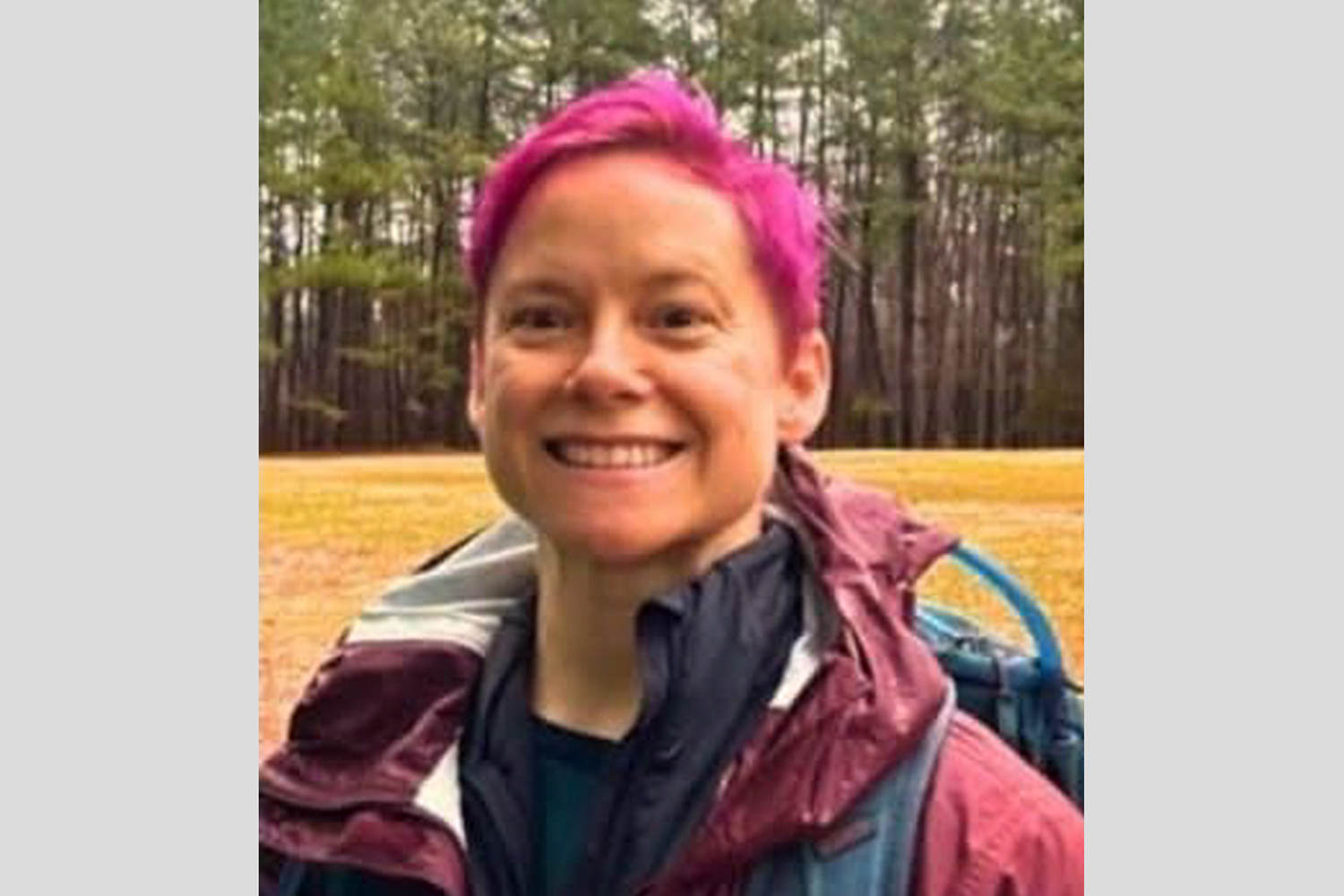
When 44-year-old North Carolina physical therapist Elizabeth "Liz" Waddell walked down to the pristine white sands of Grand Anse Beach on July 22, she carried nothing with her. No smartphone. No identification cards. No house keys or currency. Just a swimsuit and a beach towel.
Hours later, her traveling companion found that single towel left behind on the shore, anchored by nothing.
Her disappearance on the Caribbean island of Grenada has since transformed from a routine missing person bulletin into an agonizing international puzzle. The Royal Grenada Police Force has confirmed that Elizabeth Waddell remains missing, sparking a frantic search effort led locally by her husband, Cailen Waddell, who rushed to the island to comb the coastline.
Standard police briefs and routine news alerts often reduce such complex human events to sterile summaries. They note timestamps, locations, and generic appeals for help from local fishermen. Yet, beneath the standard police blotter style lie harder questions about tourist safety, coastal surveillance blind spots, and the immediate panic that unfolds when a traveler vanishes without a trace in a foreign jurisdiction.
Unpacking the Timeline on the Southern Coastline
To understand how a person can simply slip out of existence on a populated tourist beach, investigators must reconstruct the exact sequence of events from that Wednesday afternoon. Waddell had been staying in an Airbnb on a three-week extended vacation with a close friend named Heather. Around noon, Waddell left their rental alone.
Security camera footage recovered by authorities provides the last known digital footprint of her movements. The footage tracks Waddell walking toward a local pier, entering the warm waters, and beginning to swim.
She floats. She moves about comfortably within the camera frame. Then, she drifts past the edge of the lens visibility.
That frame border represents the exact line where order meets chaos.
Without a phone or wallet, she left behind no digital tracking data, no active GPS pings, and no financial transactions to trace. For investigators, this creates an immediate barrier. Modern missing person cases typically rely heavily on cellular tower handshakes or credit card usage to map a person's final hours. When those tools are entirely absent, the investigation relies strictly on human memory and physical evidence.
The Geography of Risk in Island Tourism
Grand Anse Beach is frequently lauded as one of the finest stretches of coastline in the Caribbean. It spans roughly two miles of calm, turquoise water, lined with resorts, local vendors, and casual beachgoers. Because the environment feels safe, relaxed, and welcoming, visitors often drop their guards entirely.
This sense of security can mask structural hazards. Coastal currents around the southern tip of Grenada can shift unexpectedly, pulling swimmers away from the shore faster than they anticipate. Marine safety experts frequently emphasize that even calm-looking tropical waters can conceal powerful undertows or sudden drop-offs near piers and structures.
At the same time, authorities cannot rule out human intervention. The Royal Grenada Police Force has issued specific appeals directed toward boat operators, local fishermen, and residents along the southern coastline. These targeted appeals suggest that investigators are keeping multiple possibilities open, ranging from a tragic swimming accident in open water to an unexpected encounter on land or sea.
The Reality of Cross-Border Search Operations
When an American tourist goes missing abroad, families face a bureaucratic and logistical labyrinth. Local police forces hold primary jurisdiction, meaning foreign agencies like the United States State Department can offer consular assistance and monitor the situation, but cannot direct active search operations or lead criminal inquiries on foreign soil.
This division of labor places an immense burden on loved ones. Cailen Waddell flew to Grenada almost immediately to amplify the search on the ground, utilizing social media platforms and local media outlets to keep public pressure high.
Information vacuums are dangerous during the opening days of any high-profile disappearance. Rumors spread rapidly across local forums and international travel groups, often muddying the investigative waters for local law enforcement. Police have deliberately withheld certain surveillance stills and investigative details to protect the integrity of the ongoing search, a standard protocol that frequently frustrates anxious family members and the public alike.
As search teams continue scanning the waters and interviewing coastal residents, every hour that passes compounds the difficulty of the operation. The search for Elizabeth Waddell is far from closed, remaining an active priority for authorities trying to piece together where a morning swim ended.


