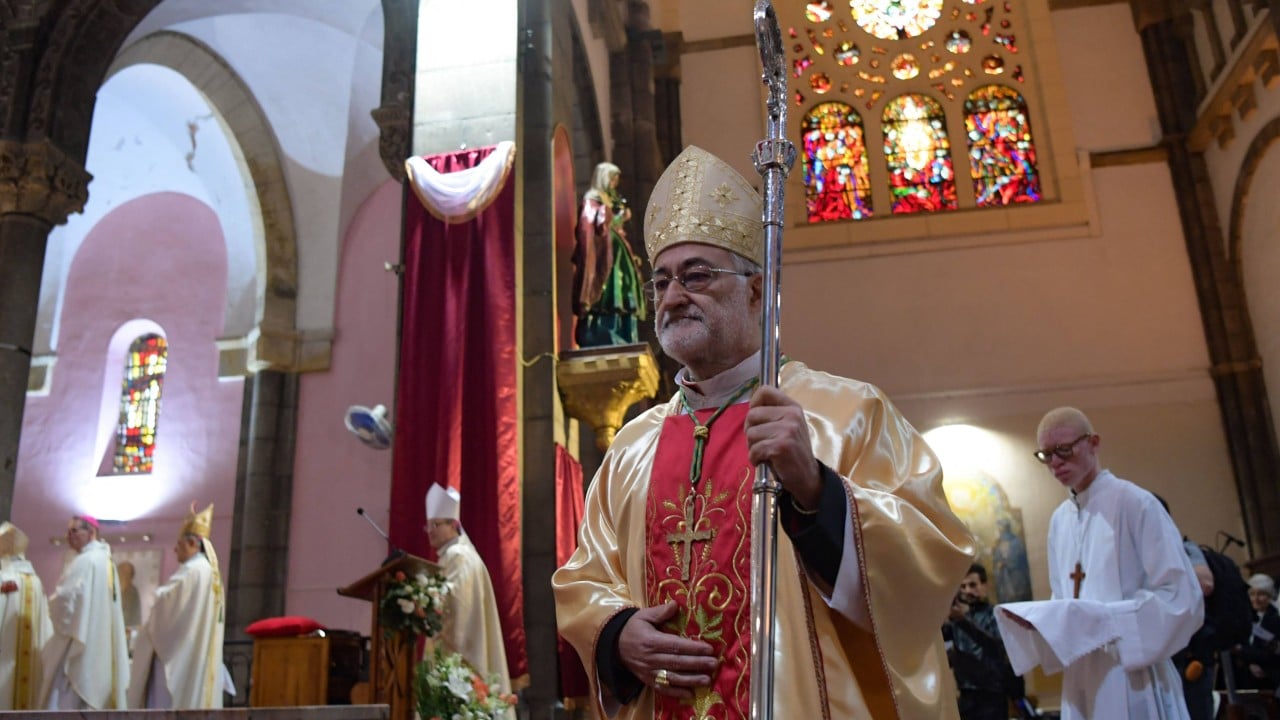
The sudden sidelining of a cardinal in Morocco following allegations of sexual misconduct is not an isolated administrative hiccup. It is a structural failure. When a prince of the Catholic Church steps back from his ecclesiastical duties in a Muslim-majority nation, the shockwaves ripple far beyond the walls of the local cathedral. It forces an immediate confrontation with a hard truth. The Vatican’s internal justice mechanism remains deeply flawed, designed more to manage institutional risk than to deliver transparent justice. This move highlights the recurring pattern of administrative retreat used by the hierarchy to contain fallout before civil authorities can fully intervene.
For decades, the global Catholic church has lurched from one abuse crisis to another, promising reform at every turn. Yet, the unfolding situation in North Africa demonstrates that the underlying playbook has changed very little. The public is told that a prelate is stepping down voluntarily to allow an investigation to proceed. This phrasing is carefully chosen. It projects an aura of cooperation and humility while serving a much more pragmatic purpose. It removes the accused from the daily spotlight, defuses immediate press pressure, and buys time for canonical lawyers to construct a defense or arrange a quiet retirement.
The Strategy of the Voluntary Retreat
In high-stakes ecclesiastical politics, the act of stepping back is rarely an individual choice made out of moral clarity. It is a calculated institutional maneuver. By removing a high-ranking official from active ministry without formally deposing him, the Church creates a legal and public relations buffer zone. This halfway house of authority allows the institution to claim it is taking action while delaying any definitive judgment that could damage the broader reputation of the hierarchy.
The mechanics of this process are governed by canon law, a system that operates entirely parallel to secular criminal justice. Under the current Code of Canon Law, specifically concerning the highest echelons of the clergy, the Roman Pontiff holds exclusive jurisdiction over cardinals accused of criminal offenses. This means that regardless of where the alleged crime took place, the local justice system is frequently locked out of the initial investigative phases. The Vatican claims sole ownership of the truth-finding process.
This systemic insularity creates immediate friction. Local investigators find themselves stymied by diplomatic immunity and the dense bureaucracy of the Holy See. When a cardinal in a territory like Morocco steps aside, it effectively freezes local ecclesiastical administration while leaving the victims in a state of perpetual limbo. The investigation is transferred to the Dicastery for the Doctrine of the Faith in Rome, a department notorious for its slow pacing and lack of transparency. Years can pass before a final determination is reached, during which time public interest fades and the institutional memory of the offense is eroded.
Legal Friction in a Sovereign Muslim State
The geopolitical context of Morocco adds a layer of intense complexity to these allegations. The Catholic Church in Morocco exists under a specific legal framework, operating within a predominantly Muslim society where the King holds the title of Commander of the Faithful. The presence of the Christian church is permitted and respected, but it is strictly regulated. It exists on the condition of non-proselytization, focusing instead on pastoral care for expatriates, sub-Saharan migrants, and humanitarian aid.
When a moral scandal hits the leadership of this minority church, the diplomatic stakes are exceptionally high. A major criminal allegation threatens the delicate equilibrium between the Holy See and the Moroccan state. Secular authorities in Rabat face a difficult choice. They must balance their duty to enforce the Moroccan penal code against the diplomatic complications of prosecuting a foreign religious leader who holds Vatican diplomatic credentials.
The friction between canon law and civil authority becomes glaringly obvious in these moments. Canon law prioritizes the internal medicinal correction of the cleric and the preservation of the ecclesial order. The civil penal code demands public accountability, cross-examination, and punitive sentencing. When the Church insists on handling these matters internally through its own tribunals, it actively undermines the sovereignty of the host nation's judicial system. This insular approach sends a clear message that the hierarchy views itself as accountable only to Rome, regardless of the laws of the land in which it operates.
The Structural Flaws of Internal Safeguards
In recent years, Rome has touted new internal reporting mechanisms as proof that the institution can police itself. The most notable of these is the papal mandate issued to handle reports of abuse against bishops and cardinals. While these rules were heralded as a new era of transparency, an objective analysis of their implementation reveals significant structural flaws.
The primary defect is the inherent conflict of interest built into the system. Under these protocols, the investigation into a high-ranking prelate is often delegated to another bishop of equivalent or slightly higher rank within the region, or managed directly by a Vatican dicastery filled with the accused’s peers. The church hierarchy is a small, tightly-knit network where careers are intertwined and personal loyalties run deep. Expecting a bishop to impartially investigate a cardinal who may have influenced his own appointment is structurally naive.
Furthermore, the system lacks any independent oversight. There are no secular legal experts, independent investigators, or victim advocates with binding authority within the canonical process. The entire procedure takes place behind closed doors under the seal of pontifical secrecy. This secrecy is justified by the Church as a means to protect the reputation of all parties involved until guilt is proven. In practice, however, it serves to shield the institution from public scrutiny and prevents the public from knowing whether the investigation is being pursued with genuine rigor or quietly managed toward a convenient dismissal.
Impact on a Vulnerable Community
The consequences of this institutional paralysis are felt most acutely by the local flock in North Africa. The Catholic community in Morocco is small, fragmented, and highly dependent on the moral authority and leadership of its bishops. It is a church composed largely of vulnerable populations, including students and trans-Saharan migrants who rely on church-run charities for basic survival.
When the leadership is compromised by allegations of sexual assault, the entire pastoral network suffers. The moral credibility required to advocate for the marginalized is stripped away. Donors lose confidence, local authorities become suspicious, and the internal morale of the priests and religious sisters working on the ground is shattered. They are left to pick up the pieces of a broken administration while Rome conducts its secret deliberations.
The damage extends to interfaith relations as well. For decades, the diocese in Morocco has worked to build bridges of trust with Islamic institutions through cultural exchange and joint humanitarian projects. A scandal of this magnitude threatens to undo that work by providing ammunition to those who view the Western religious presence with skepticism. The failure to address these allegations with absolute, open clarity risks transforming a localized criminal matter into a broader cultural and diplomatic crisis.
The current strategy of allowing a prelate to step back and quietly vanish from public view is no longer a viable method of crisis management. It is an outdated tactic from an era when the Church could control the flow of information. True accountability requires a complete dismantling of the parallel justice system for high-ranking clergy, forcing the hierarchy to submit unconditionally to the civil courts of the nations they inhabit. Until Rome surrenders its judicial exceptionalism, every administrative step back will be viewed not as an act of justice, but as an act of institutional preservation.