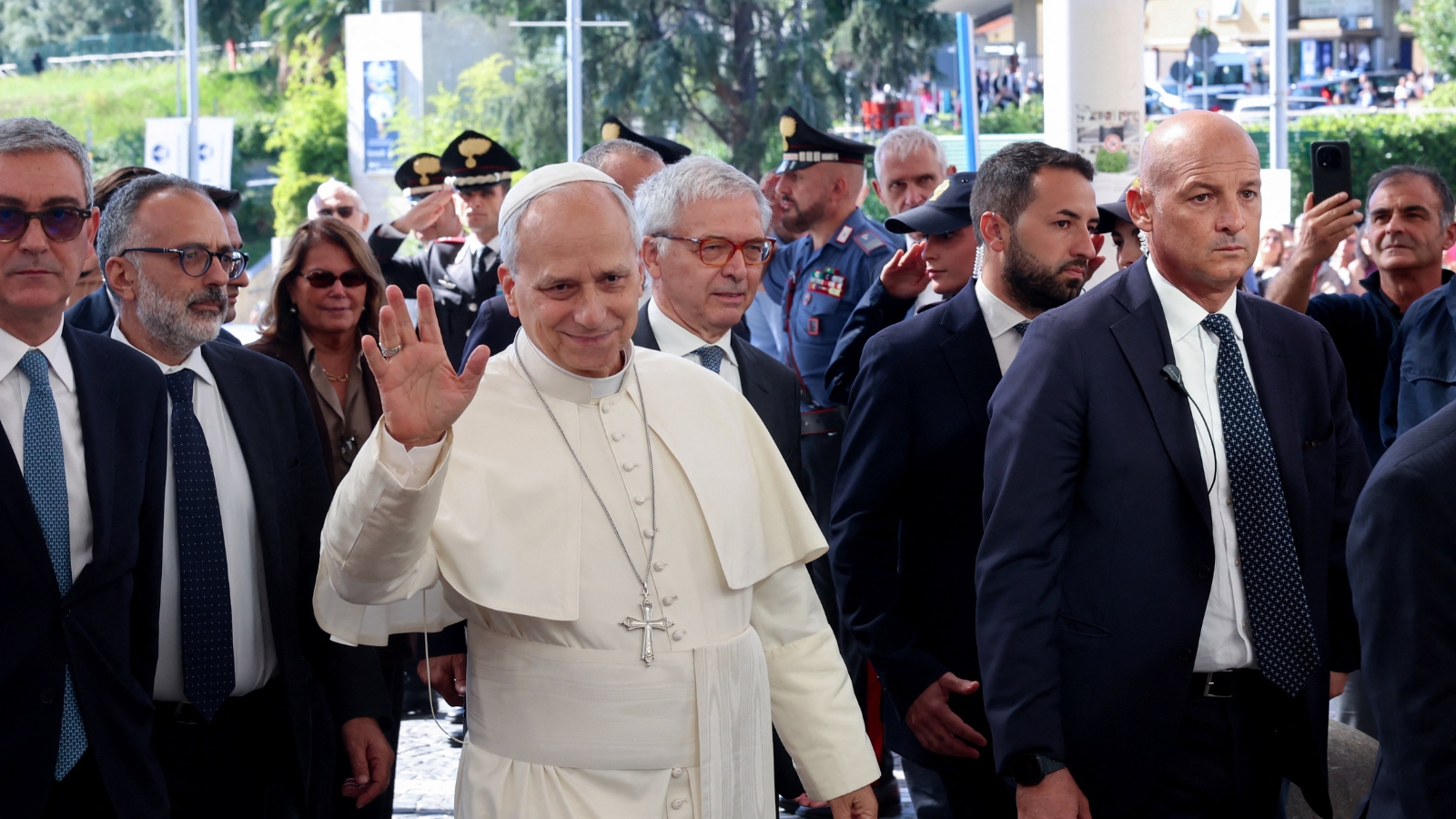
When Pope Leo XIV walked into Rome's Gemelli Hospital on foot, smiling and joking with the staff, the world expected a routine procedure to remove a minor lung nodule. What followed instead was a stark medical reality check: a lung cancer diagnosis and the surgical removal of the lower lobe of his right lung.
People love to assume that papal health bulletins are heavily sanitized corporate PR exercises. But the reality of Pope Leo's October 2026 operation offers a rare look at how modern Vatican communications handles serious medical crises. Let's break down what actually happened, how the medical team handled it, and why the pontiff’s recovery is turning heads.
Inside the Gemelli Hospital Operating Room
The procedure itself took place on October 13, 2026. Led by Dr. Stefano Margaritora, chief thoracic surgeon at Gemelli Hospital, the medical team utilized a video-assisted thoracic surgery technique. The goal was clear from the start: remove the problematic nodule completely.
However, once surgeons were inside, they confirmed that the growth was malignant. To ensure the procedure was radical and to prevent the cancer from spreading locally, they took the decisive step of removing the entire lower lobe of the pope's right lung.
The operation lasted about 90 minutes, with the entire time in the operating suite stretching to roughly three hours. The Vatican's initial press statements were refreshingly direct about the gravity of the findings. They didn't hide behind vague euphemisms about "respiratory issues" or "routine check-ups." They admitted straight out that the 71-year-old pontiff had lung cancer.
The Silent Nature of Early Lung Cancer
One of the most striking elements of this entire ordeal is that Pope Leo had zero symptoms. He felt completely fine. The cancerous tumor was discovered entirely by chance during routine medical imaging—a reminder of how sneaky lung malignancies can be.
Medical experts note that lung nodules are frequently caught accidentally when patients undergo scans for entirely unrelated issues, like minor chest trauma or seasonal infections. If you wait for symptoms like a persistent cough, chest pain, or unexplained weight loss, you're often catching the disease much later than you want to.
Pope Leo later pointed out that he hoped his diagnosis would encourage others to stop skipping preventive screenings. When you look at the numbers, early detection remains the single biggest factor in surviving thoracic cancers. If a routine scan can catch a malignant nodule before it triggers symptoms, it changes the entire survival curve.
Rejecting the Slowdown Narrative
The Vatican immediately cleared the pope's schedule through October 20 to give him a brief recovery window. But if you thought a 71-year-old missing a lung lobe meant a quiet retirement or a scaled-back pontificate, you haven't been paying attention to Leo's background.
Just weeks after major chest surgery, the pope embarked on a grueling 12-day marathon tour across South America, visiting Argentina, Uruguay, and his beloved former home of Peru. Critics inside and outside the Curia whispered that the trip was reckless. They argued he should be resting in Rome.
Instead, Leo pushed through extreme climate and altitude shifts—going from the humid Pacific coast up to the oxygen-thin Andean city of Cusco at over 11,000 feet, and straight into the steaming heat of the Amazon rainforest in Pucallpa. Speaking to journalists on his flight back to Rome, he made his stance crystal clear: endurance is a gift, and his focus remains entirely on healing and church unity, not on slowing down his schedule.
Don't expect massive institutional overhauls or sudden changes to hot-button church policies just because of a health scare. Leo has signaled that his priorities are steady leadership and pastoral connection. He isn't writing preemptive resignation letters, and he isn't entertaining drastic splits over administrative debates.
Take a cue from how this was handled: regular check-ups matter, radical transparency builds trust, and ignoring minor anomalies in your body is a gamble you eventually lose. Schedule that screening you've been putting off.