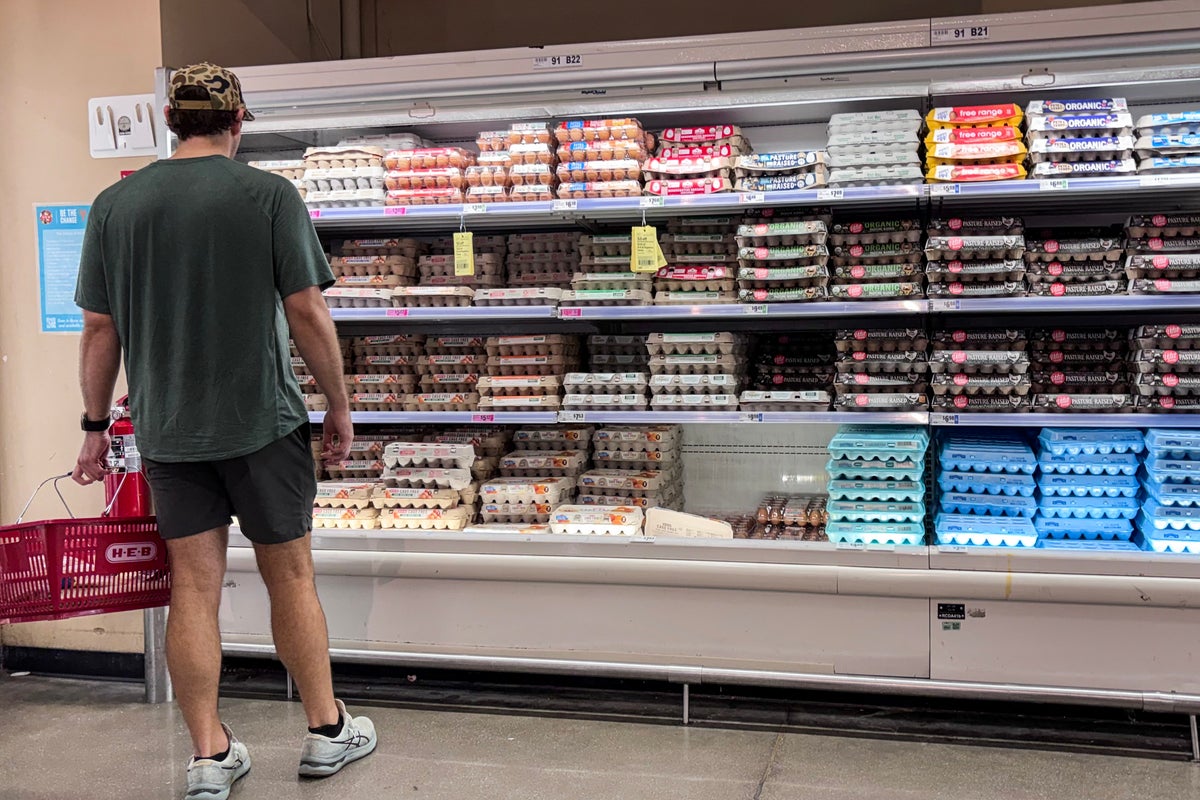
Foodborne illness outbreaks in the United States operate less like random accidents of nature and more like predictable failures within complex supply chain networks. When federal agencies flag multi-state clusters of bacterial and parasitic infections, public announcements typically focus on the vector food item: a specific batch of shell eggs, imported leafy greens, or raw dairy. However, focusing solely on the contaminated commodity obscures the structural vulnerabilities that allowed the pathogen to propagate. Understanding the vector economics of foodborne illness requires breaking down the transmission cycle into three core components: agricultural environmental contamination, centralized processing amplification, and cold chain integrity failures.
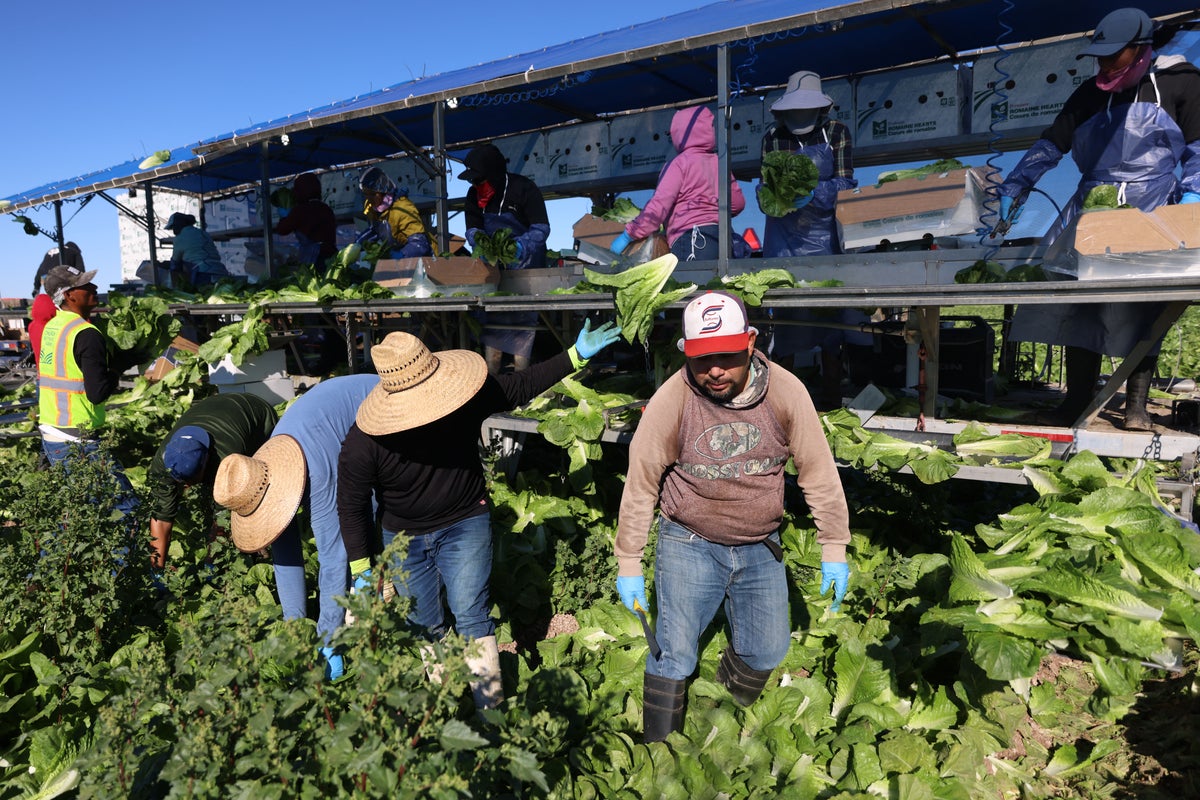
The baseline of any food safety failure begins at the point of origin, where environmental reservoirs interact with agricultural production. Pathogens such as Salmonella, Escherichia coli, and Cyclospora do not originate inside a modern processing facility; they enter the supply chain via soil, irrigation water, or proximity to animal operations. Also making waves in related news: Stop Blaming The Government For Your Salad Addiction.
- Agricultural Water Quality: Surface water used for overhead irrigation serves as a primary vector for distributing fecal contamination across large tracts of produce. When agricultural runoff from livestock operations breaches containment, pathogens are deposited directly onto crops.
- Wildlife and Soil Vectors: Pathogens persist in local soils and are transferred via animal vectors, windborne dust, or direct contact. Produce grown close to the ground, such as leafy greens or melons, absorbs these environmental pressures with minimal natural barriers.
- Organic Amendments: Improperly composted manure utilized as fertilizer introduces high concentrations of enteric bacteria directly to the root zone, where pathogens can internalize into plant tissues or adhere firmly to external surfaces.
Once a pathogen breaches the agricultural boundary, centralized processing facilities act as amplification engines. Modern agricultural logistics prioritize consolidation, meaning a single contaminated batch of raw ingredients from a regional farm is frequently co-mingled with clean product during washing, sorting, or packaging operations.
This centralization creates a compounding infection risk. When millions of pounds of produce pass through centralized flume water tanks, cross-contamination occurs if sanitizing agents are not rigorously monitored and replenished in real time. A single bin of contaminated jalapeño peppers or a localized batch of shell eggs introduced into a processing line can inoculate thousands of downstream consumer units. The economic imperative for continuous line speed often supersedes the dwell time required for effective chemical sanitization, creating an operational bottleneck where throughput efficiency directly compromises biological safety. Further details into this topic are explored by Psychology Today.
The third pillar governing outbreak scale is thermal and temporal control throughout distribution, commonly referred to as the cold chain. Bacterial proliferation is a function of temperature over time. Pathogens like Salmonella and pathogenic E. coli stall or grow slowly at refrigerated temperatures below 40 degrees Fahrenheit. However, temperature abuse during transit or retail display introduces exponential multiplication phases.
Parasites such as Cyclospora cayetanensis operate under different biological rules; as single-celled organisms, they do not multiply on food items but utilize produce strictly as a transport vector to a human host. Consequently, washing alone rarely removes them once surface adhesion occurs. Conversely, bacterial pathogens thrive on nutrient-rich matrices like cut fruits, unpasteurized milk products, and soft cheeses if cold chain parameters drift upward for even a few hours.
Regulatory surveillance systems deployed by the Food and Drug Administration and the Centers for Disease Control and Prevention rely heavily on retrospective trace-back investigations. PulseNet laboratories sequence the genomes of bacteria isolated from sick patients to match them against genetic fingerprints found in contaminated food samples. This methodology, while scientifically rigorous, is inherently reactive. By the time genomic clusters trigger a multi-state alert, the contaminated products have typically cleared distribution channels and entered domestic refrigerators or commercial pantries, rendering public health advisories a damage-mitigation tool rather than a preventative shield.
Mitigating recurrent foodborne outbreaks requires shifting capital investment away from retroactive recalls and toward real-time pathogen detection at the farm-gate level. Supply chain architects must implement mandatory microbial testing of agricultural irrigation sources prior to harvest, coupled with closed-loop water sanitization systems in processing plants that automatically halt production lines if sanitizer concentrations dip below established biological inactivation thresholds.