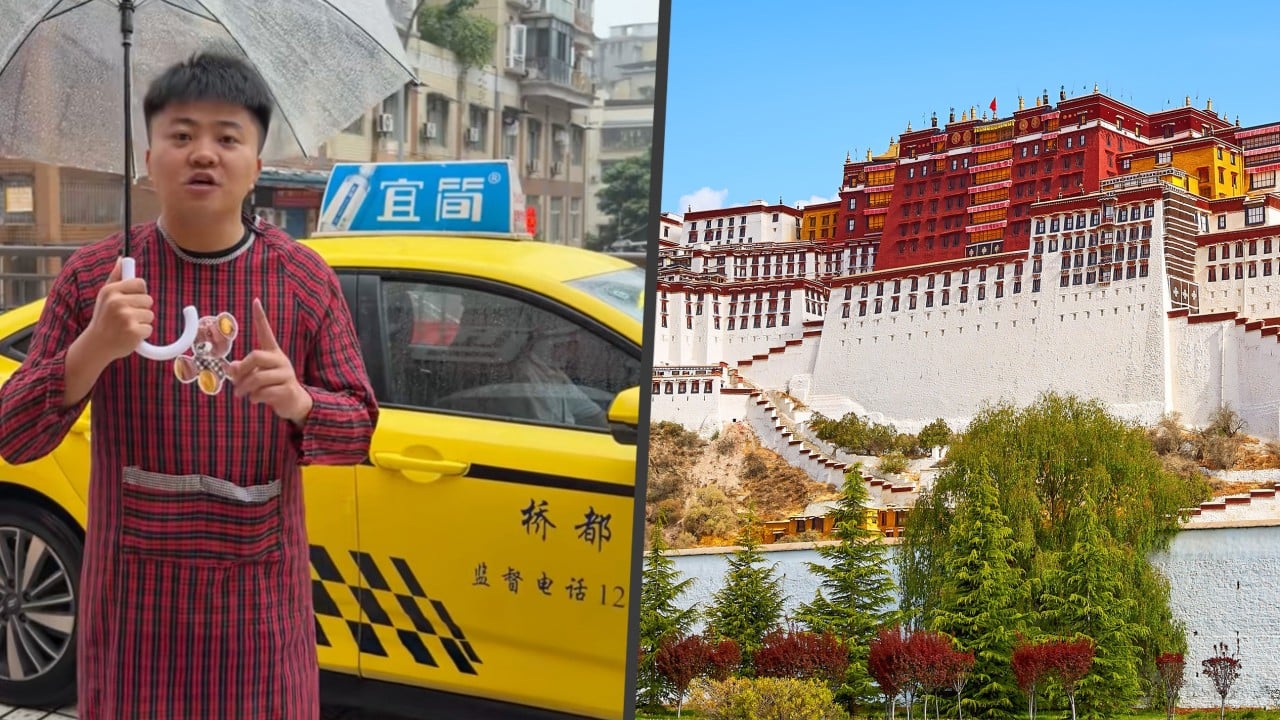
A Chinese creator just walked away with $73,500 because he filmed some pretty mountains in Tibet and racked up 21 million likes. The mainstream media is swooning. They are calling it a triumph of digital storytelling, a win for independent creators, and proof that "authentic content always wins."
It is none of those things.
If you are an aspiring creator or a brand manager looking at this payout as a blueprint for success, you are being lied to. This is not a story about creative genius or the democratized internet rewarded by an algorithm. This is a story about state-backed algorithmic manipulation, the commodification of a highly contested geopolitical region, and a masterclass in how platforms manufacture "organic" trends to serve an economic and political agenda.
Let’s dismantle the lazy consensus surrounding this viral moment and look at the brutal mechanics of how attention actually works in the modern creator economy.
The Myth of the Accidental Viral Sensation
The standard narrative tells you that an ordinary guy with a camera captured the raw, untouched beauty of Tibet, uploaded it, and the world fell in love.
Having analyzed digital traffic distribution and platform algorithms for over a decade, I can tell you that "accidental" virality on this scale is practically extinct. Platforms like Douyin (the Chinese counterpart to TikTok) do not leave 21 million likes to chance.
Every major platform uses a system known as gated distribution. When you post a video, it is shown to a small test bucket of users. If it performs well, it moves to a larger bucket. But to cross the chasm from a few hundred thousand views to tens of millions, human curation and whitelist algorithms step in.
In China, tourism content featuring sensitive border regions like Tibet and Xinjiang is heavily monitored, curated, and promoted by the platform’s internal editors. Why? Because a peaceful, picturesque video of Tibet serves a massive public relations purpose. It signals stability, prosperity, and internal harmony.
The $73,500 prize money did not come from an impartial pool of ad revenue. It came from a structured competition backed by entities that want a specific narrative amplified. When a platform rewards a creator with a massive cash prize for a specific type of content, it is sending a directive to every other creator on the network: Produce this, and we will feed you traffic. Produce anything else, and you will starve.
The Danger of "Like" Economics
Let’s talk about the math that the mainstream media ignores. 21 million likes sounds staggering. But in the world of digital media metrics, a "like" is the cheapest, least valuable form of currency.
Imagine a scenario where a brand tries to replicate this strategy. They spend $70,000 to produce a sweeping, cinematic travel video. They get millions of views and a flood of double-taps. Then, they look at their bottom line and realize their conversion rate is absolute zero.
- Passive Consumption: A user scrolling through a short-form video feed spends an average of 0.3 seconds deciding whether to skip a video. A double-tap requires zero cognitive friction. It is an aesthetic reflex, not deep engagement.
- Zero Intent: The people liking a video of Tibet’s landscape are not booking flights to Lhasa. They are escaping their office cubicle for twelve seconds.
- Platform Lock-in: The creator does not own that audience. The platform does. If that creator tries to launch a product, a newsletter, or a paid community tomorrow, the algorithm will instantly choke their reach unless they pay to play.
If you are measuring your marketing success by the sheer volume of likes, you are playing a game designed to make the platform rich while keeping you broke.
The Content Arbitrage Trap
What this creator pulled off is something called content arbitrage. He identified an asset class—visual imagery of an exotic, politically charged landscape—that possesses high inherent emotional value but low production barriers if you happen to be there physically.
High Aesthetic Value + Low Cognitive Friction = High Volume, Low Conversion Traffic
This model is a trap for independent creators. It creates a temporary spike in visibility followed by a permanent plateau. Once the platform moves on to its next targeted PR campaign, the artificial traffic hose is turned off. The creator is left holding a massive, dead follower count that doesn't engage with anything else.
Stop Chasing Beauty, Start Chasing Friction
The common advice given to travel creators and brands is to make everything look seamless, pristine, and beautiful. That is exactly how you blend into the background noise.
The internet is completely saturated with high-definition, drone-shot, color-graded cinematic footage. It has been commodified to the point of irrelevance. When everything is beautiful, nothing is.
If you want to build a resilient digital presence that actually generates revenue and authentic influence, you have to lean into friction.
1. Document the Logistics, Not Just the View
Nobody needs another shot of a mountain peak at sunrise. What they need is to know how agonizing it was to breathe at 15,000 feet, how much the permit cost, and the exact bureaucratic nightmare required to get across the checkpoint. The value is in the friction, not the payoff.
2. Kill the Cinematic Music
The viral Tibet video relied heavily on swelling, emotional soundtracks designed to manipulate the viewer's mood. It’s a cheap trick. The most compelling content running right now uses ambient audio, raw dialogue, and the actual sound of the environment. If your video relies on a trending audio track to be interesting, your video isn't actually interesting.
3. De-optimize for the Mainstream
If your content is capable of being liked by 21 million people, it means it is completely devoid of edge, opinion, or unique perspective. It is the digital equivalent of elevator music—inoffensive enough for everyone, deeply loved by no one. Aim for an audience that actually cares about the specific mechanics of travel, culture, or geography, even if that audience is only 21,000 people.
The Real Cost of the $73,500 Payout
We need to look at what this payout actually costs the creative ecosystem. By rewarding sanitized, ultra-polished landscape videos, platforms are actively discouraging real documentary work.
Real travel journalism is messy. It involves talking to locals about their economic realities, exploring infrastructure dependencies, and confronting uncomfortable cultural shifts. But you will never see a platform hand over a $73,500 check to a creator who documents the rising cost of living in Lhasa or the environmental impact of mass domestic tourism on the Tibetan plateau.
The payout is a leash. It defines the boundaries of acceptable creativity.
If you choose to follow this blueprint, understand the trade-off. You are agreeing to become an unpaid, uncredited tourism marketer for an entity that can change the algorithm and wipe out your entire business model overnight on a whim.
Stop looking at 21 million likes as a victory. It is a metric designed to keep you running on a digital hamster wheel, chasing a payout you will likely never see, producing content that means absolutely nothing to the people consuming it.
Turn off the drone. Stop color-grading the sky. Start telling stories that actually cost something to tell.