Turning a regional commercial powerhouse into a top-tier international financial center takes more than concrete, skyscrapers, and government ambition. When Goldman Sachs executives look at the landscape in mainland China, they see massive potential mixed with heavy operational friction.
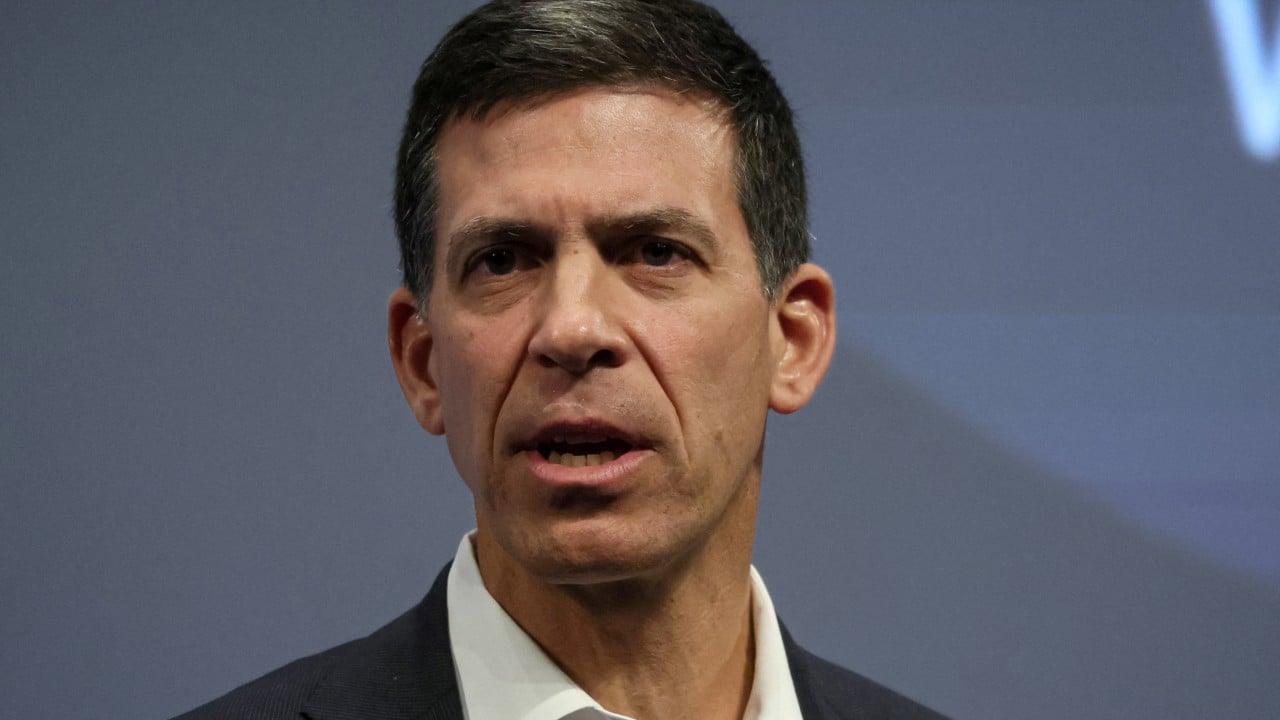
John Waldron, president of Goldman Sachs, recently pointed out that enormous opportunities exist for Shanghai, but unlocking them requires tackling some hard truths about market access, data flows, and regulatory clarity. If you've ever tried moving capital or cross-border data in and out of the mainland as a multinational institution, you know the pain points firsthand. Red tape isn't just an annoyance; it's a massive capital deterrent.
The Real Bottlenecks Holding Shanghai Back
Beijing wants Shanghai to stand shoulder-to-shoulder with New York and London. That is no secret. But wanting a title and earning it through structural execution are two entirely different things.
International investors don't park trillions of dollars based on ambition alone. They look at liquidity, predictability, and the freedom to move information instantly. Right now, strict compliance frameworks and data security laws create an environment where institutional players have to jump through hoops just to execute complex, time-sensitive cross-border transactions.
When data cannot flow freely across borders, risk management breaks down. Global banks rely on centralized, real-time data analytics to price risk, monitor exposures, and run compliance checks. If local data residency rules trap information inside municipal or national firewalls without clean carve-outs, foreign institutions operate with one hand tied behind their backs.
What Real Market Openness Actually Looks Like
Real reform means loosening the grip on capital controls and providing absolute clarity on legal frameworks. Wall Street doesn't need vague promises of future opening; it needs transparent, rule-based execution.
While initiatives like the Shanghai free-trade zones and various connect programs have built plumbing for cross-border investments, they still function like gated communities rather than open-market oceans. Investors want to see predictable dispute resolution mechanisms, fewer restrictions on foreign ownership limits, and a tax environment that competes directly with regional rivals like Singapore and Hong Kong.
To its credit, authorities have made moves to streamline general data transfer lists for specific categories in industrial zones like Lingang. But financial markets move at nanosecond speeds, not bureaucratic timelines.
The Stakes for Global Capital
Why should everyday market watchers care about what Goldman Sachs says about Shanghai? Because global liquidity dictates asset valuations everywhere. China remains the second-largest economy on earth, yet foreign portfolio allocation into mainland equities and bonds has faced severe headwinds due to macro uncertainty and regulatory whiplash over recent years.
If Shanghai genuinely addresses these friction points, it changes the entire calculus for institutional asset allocators. Billions of sidelined capital are waiting for proof that regulatory policies are stable and investor-friendly over a 10-year horizon, not just a 12-month political cycle.
The blueprint is sitting on the table. The real test is whether policymakers have the appetite to implement the deep, structural surgery required to make Shanghai a truly frictionless global hub.