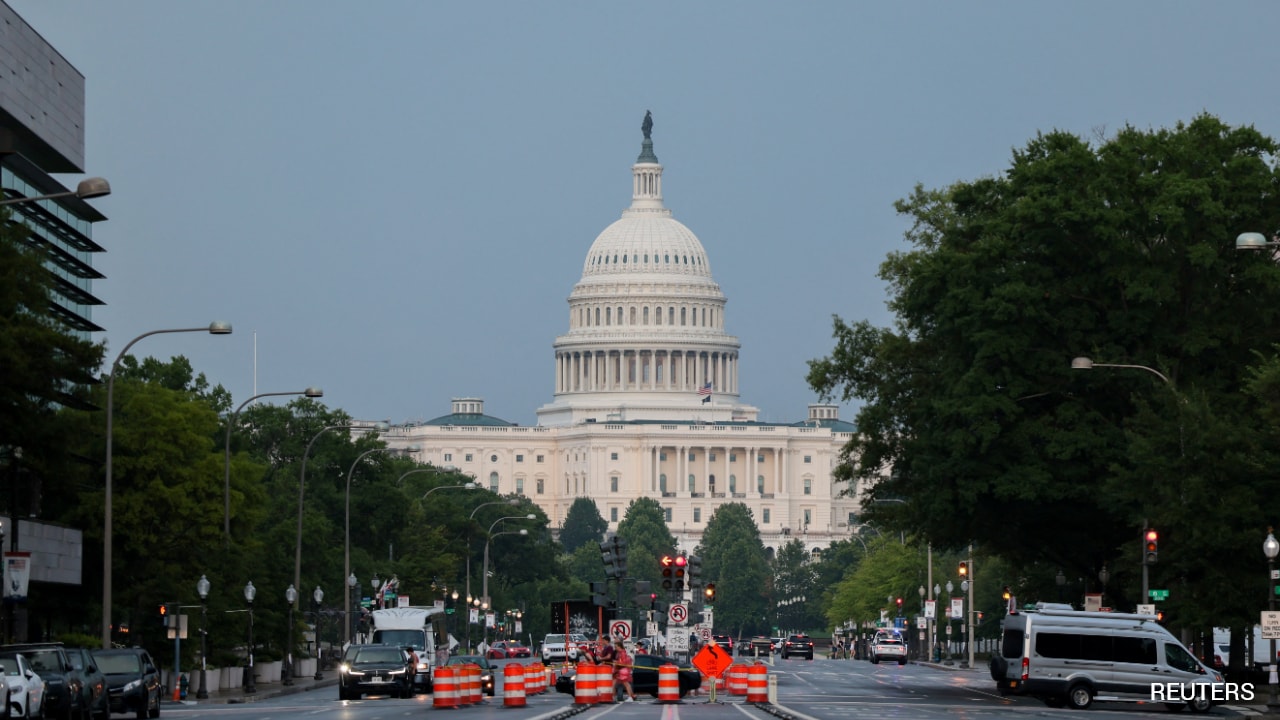
Every headline blares the same lazy narrative. Washington drafts a sweeping sanctions package, slaps a hundred percent tariff on India and China for refusing to fall in line, and the commentariat acts like the global chessboard has just been violently upended. It is the same tired script played out by bureaucrats who think a press release from Capitol Hill still dictates terms in Mumbai and Beijing.
Let us be entirely honest about what is happening behind closed doors in trade ministries across the global south. I have sat in rooms where sovereign debt negotiators and central bankers look at these punitive measures not with fear, but with a quiet, calculated amusement. They do not sweat the threats. They price them in, bypass them, and write new rules while Washington is still high-fiving itself over a piece of legislation that achieves precisely the opposite of its intended design. If you enjoyed this piece, you might want to check out: this related article.
The lazy consensus says that secondary sanctions and nuclear-grade tariffs force compliance. It assumes that the United States dollar retains enough coercive gravity to bend every major economy to its will. That assumption expired years ago. When you threaten a hundred percent tariff on economies that are actively building parallel financial architectures, you are not projecting strength. You are handing them the exact justification they need to sever their dependence on western infrastructure permanently.
To understand why this legislation is a paper tiger, you have to look past the political grandstanding and examine the mechanics of modern trade flows. For another perspective on this story, check out the latest update from USA Today.
The Arithmetic of Circumvention
Sanctions work when the target has nowhere else to go. They fail utterly when the target is the gravitational center of global manufacturing and energy consumption.
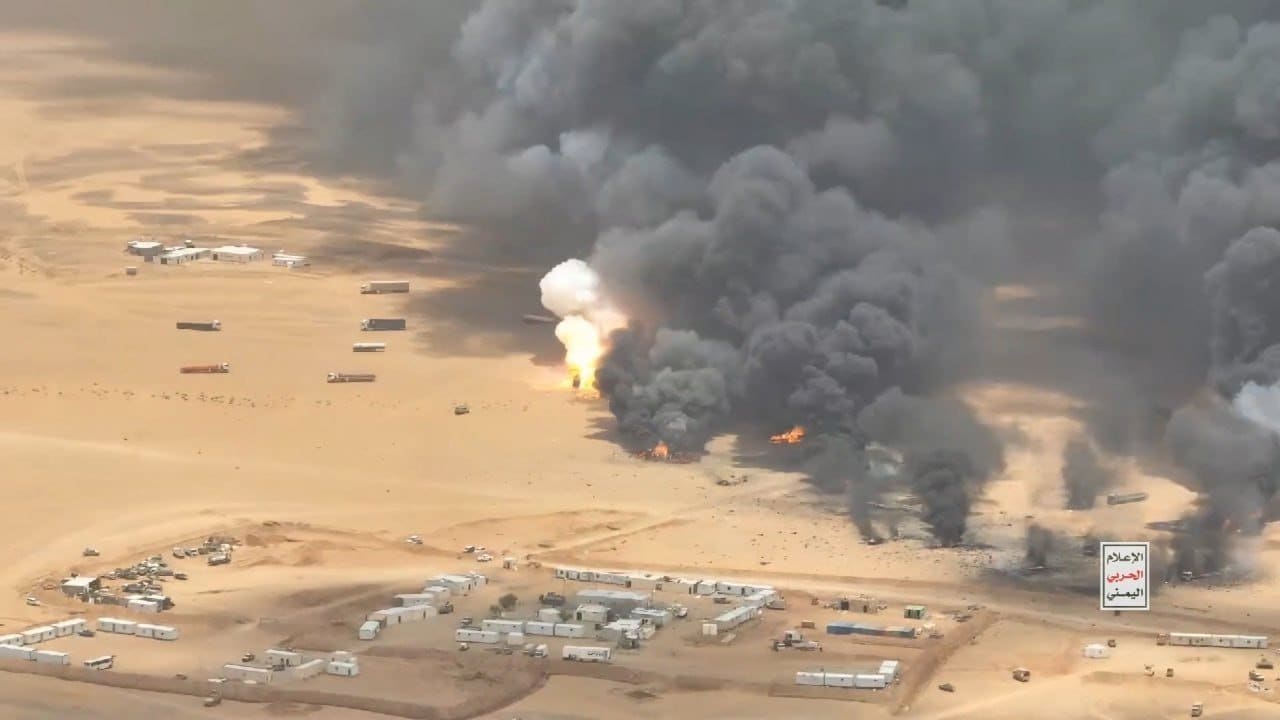
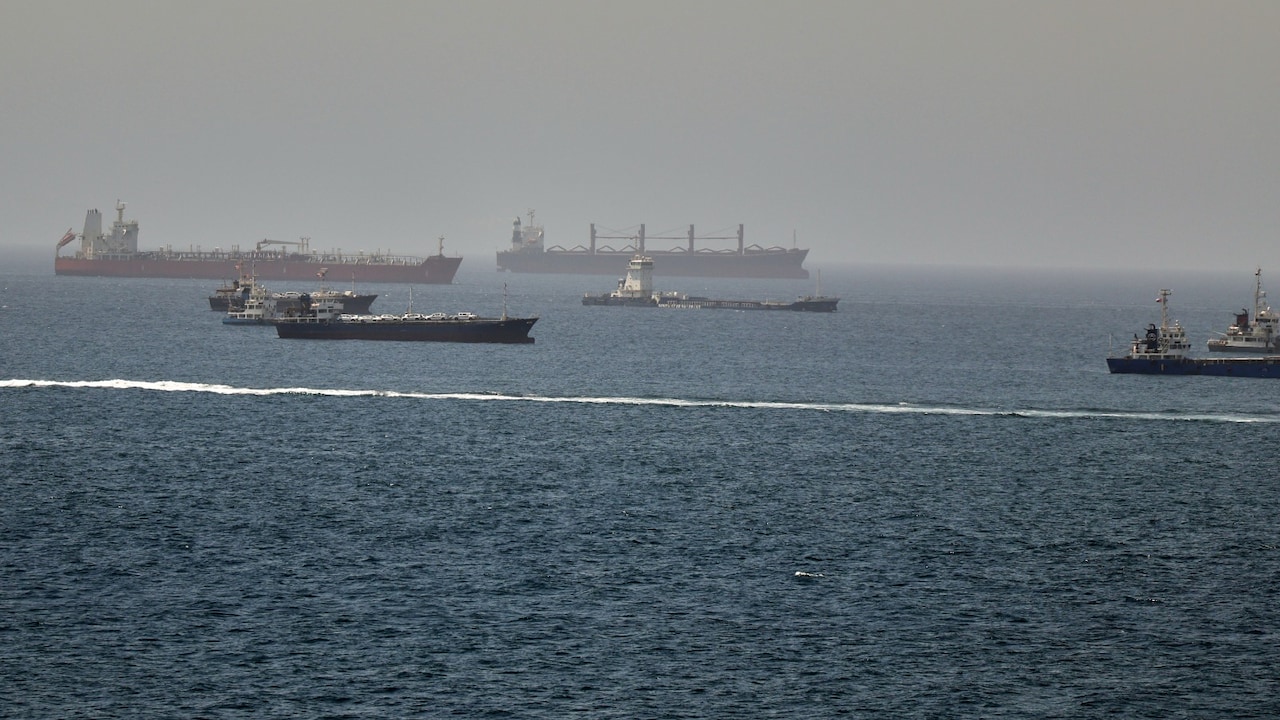
When Washington threatens New Delhi and Beijing with prohibitive trade penalties over Russian energy imports, western analysts assume those supply chains will snap under pressure. They miss the entire architecture of secondary routing. Crude oil does not wear a passport. It shifts from a Russian tanker to a vessel flagged in a non-aligned jurisdiction, enters a refinery in Gujarat or Shandong, gets processed into diesel or petrochemicals, and is exported right back out to markets that desperately need it.
The origin story gets scrubbed on the high seas. By the time the refined product lands in a port that nominally respects sanctions, the paper trail is pristine.
India and China are not defying western hegemony out of blind defiance or ideological solidarity with Moscow. They are doing basic math. Russian crude trades at a discount that makes western compliance financially suicidal for their domestic manufacturing bases. If New Delhi bows to pressure and cuts off discounted energy, its industrial inflation spikes, its export competitiveness craters, and its domestic political stability takes a massive hit. No prime minister survives political suicide just to make a bureaucrat in Washington feel powerful.
The tariff threat assumes that bilateral trade with the United States is the sun around which these economies orbit. But intra-Asian trade, bilateral ruble-rupee settlements, and yuan-denominated commodity contracts have exploded. When you penalize a nation by shutting down direct access, you simply accelerate their investment in alternative payment rails like China's Cross-Border Interbank Payment System or India's rupee-settlement mechanisms. You are not punishing bad behavior; you are forcing the migration away from SWIFT and the dollar standard.
The Domestic Illusion
Why do these bills keep passing with bipartisan majorities if they are fundamentally counterproductive? Because foreign policy in Washington has devolved into domestic theater.
Lawmakers need a villain and a weapon. A hundred percent tariff sounds decisive on evening news broadcasts. It projects toughness to domestic constituencies who do not understand supply chain elasticity. It creates the illusion that America can simply decree global economic behavior through sheer legislative force.
I have watched companies spend millions untangling supply chains after a sudden regulatory shift, only to realize that their competitors in Europe or Asia simply scooped up the market share they abandoned. American consumers end up paying the hidden tax through higher prices on goods that suddenly require convoluted sourcing workarounds, while the target nations simply reroute their commerce through intermediaries who clip a neat profit for doing nothing more than stamping paperwork.
If you want to know who actually suffers when a hundred percent tariff hits, look at the mid-sized American exporter who relies on imported raw materials or component parts that suddenly face retaliatory duties. The macro-level sanctions rarely dent the political will of targeted regimes; instead, they squeeze domestic industries that have zero say in geopolitical posturing.
The Uncomfortable Reality of a Multipolar World
The architects of these sanctions are fighting the last war. They are operating on a nineteenth-century mental model where geography and naval blockades dictate commerce. In a digitized, multipolar economy, economic isolation is a myth unless you control every single node of production, finance, and consumption.
China controls the rare earth processing. India controls the pharmaceutical feedstock and a massive, rapidly expanding domestic consumer market. Russia controls the energy spigots that feed the industrial engine of Asia. Putting a target on their backs does not isolate them. It isolates the United States from the primary growth engines of the twenty-first century.
Every time Washington reaches for the tariff hammer, the rest of the world looks for an escape hatch. They are not looking at how to comply; they are looking at how to decouple.
Stop pretending that economic coercion is a substitute for actual competitiveness. Stop acting shocked when sovereign nations refuse to wreck their own economies to appease a foreign election cycle. The hundred percent tariff is not a policy; it is a symptom of an empire in denial, lashing out at a mirror because it does not like what the reflection shows.
The next time you read about a sweeping sanctions bill designed to whip the rest of the world into line, remember one simple rule. The louder the threat, the faster they are building the exit.