Every time Washington drops another batch of names onto the Uygur Forced Labor Prevention Act entity list, corporate compliance departments hyperventilate, supply chain consultants pop champagne, and the media runs the same tired script about moral accountability.
It is all smoke. For a more detailed analysis into this area, we suggest: this related article.
I have watched Fortune 500 executives burn tens of millions of dollars on bespoke auditing software, third-party forensic accounting firms, and legal gymnastics designed to scrub their paperwork clean. The dirty secret nobody in trade policy wants to admit is that this blacklist does not starve forced labor of capital. It merely forces global commerce through an expensive, bureaucratic laundromat.
When you ban a factory, you do not shut down production. You rearrange the deck chairs on the titanic. The raw materials flow through shell companies in Vietnam, secondary processing hubs in Malaysia, and opaque trading conglomerates in the Middle East until the origin stamp reads anywhere except the place it was actually touched by human hands. To get more details on this issue, detailed analysis is available on MarketWatch.
Washington gets to claim a moral victory for the evening news. Corporations get to check a compliance box to keep institutional investors off their backs. And the underlying structural reality of global manufacturing remains completely untouched.
The Compliance Industrial Complex
Let us define what this legislation actually achieves in practice. The Uygur Forced Labor Prevention Act operates on a guilty-until-proven-innocent standard. Importers must prove by clear and convincing evidence that their goods did not touch Xinjiang.
Sounds tough on paper. In reality, it has created a multi-billion-dollar tollbooth economy.
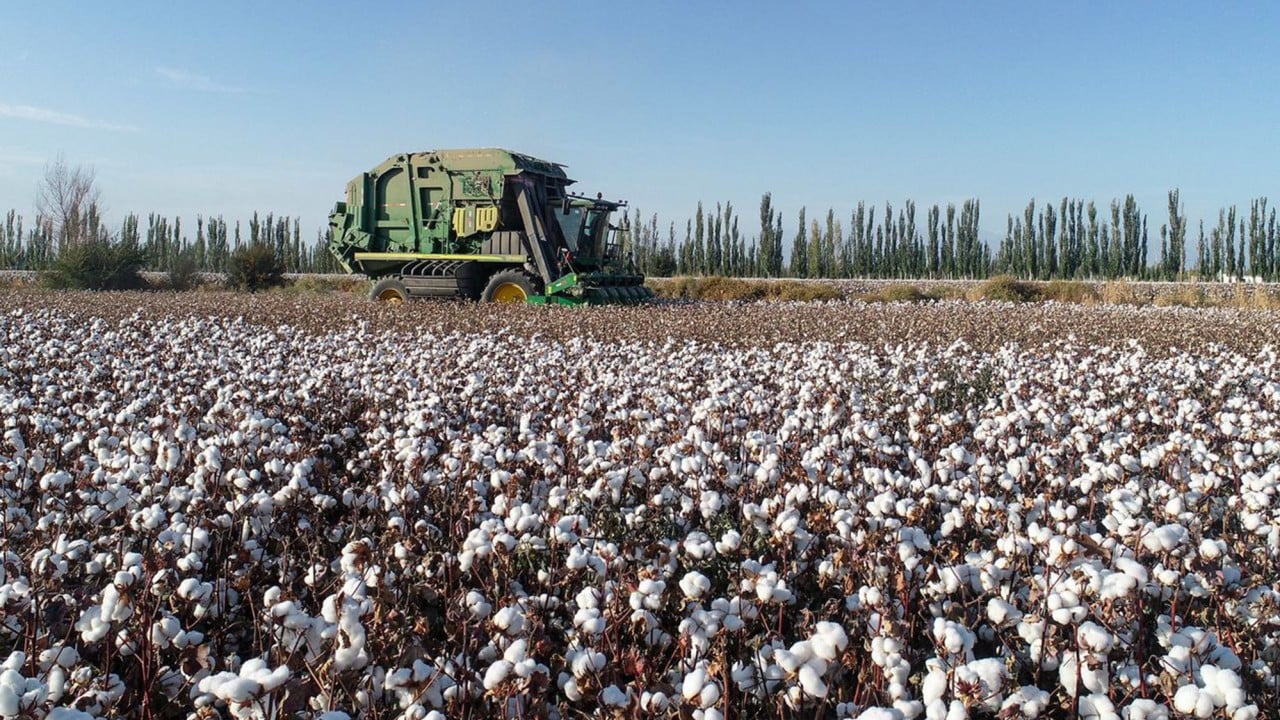
I have sat in boardrooms where chief operating officers openly admitted that their tier-three and tier-four supply chain visibility is a complete fiction. You cannot trace a drop of industrial polysilicon or a bundle of cotton once it enters a regional smelter or a massive ginning mill mixed with material from ten different provinces. The physical tracking data simply does not exist at the atomic level required by Customs and Border Protection.
So what do companies do? They hire expensive boutique consulting shops to generate narrative-heavy documentation packages. They buy paper trails. They substitute cryptographic supply chain tracking with certified PDFs signed by local middlemen who have every incentive to look the other way.
The market responded to the blacklist not by cleaning up supply chains, but by financializing the illusion of purity. If your primary defense against a federal seizure is a stack of vendor attestations bought from a middleman in Singapore, you do not have a compliance program. You have an insurance policy against getting caught.
The Shell Game of Global Trade
Trade data tells a story that Washington prefers to ignore. When direct exports from targeted regions to Western markets drop off a cliff, exports from neighboring third-party nations skyrocket by an almost mathematically identical margin.
Do we seriously believe that manufacturing capacity materialized out of thin air in countries with zero prior industrial infrastructure for those specific goods? Of course not.
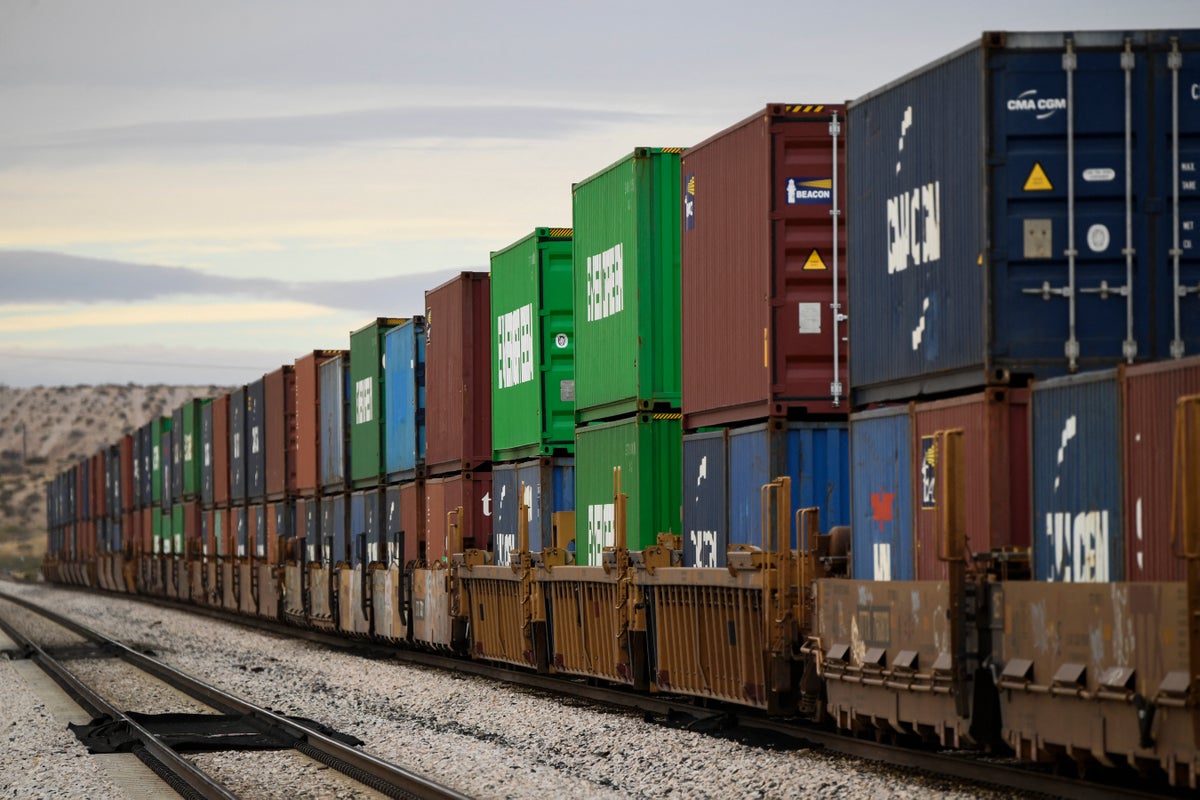
Raw inputs cross borders before final assembly. A batch of aluminum or yarn leaves the restricted zone, stops briefly in an untargeted jurisdiction where it is repackaged, relabeled, and assigned a fresh bill of lading, and then marches straight into container ships bound for Long Beach or Rotterdam.
This is not a loophole. It is the operating system of international commerce. Global supply chains evolved over four decades to optimize for cost, speed, and tax efficiency. They were never engineered for forensic geopolitical purity. When you impose a political filter on a system built purely for logistics, the system routes around the filter like water hitting a rock.
The downside of my perspective is cynical, and I own it. Pointing out that sanctions leak like a sieve can sound like an argument for doing nothing. It is not. It is an argument for acknowledging that trade restrictions without structural industrial policy are just performative art. If you want to change labor practices on the ground, cutting off paperwork pathways while leaving the underlying demand signals intact changes zero behavior. It just changes the routing fees.
The Wrong Question About Ethics and Profit
People love to ask whether corporations have a moral duty to completely decouple from regions with systemic human rights abuses.
It is the wrong question. It assumes corporations are moral actors capable of ethical introspection rather than profit-maximizing machines bound by fiduciary duty. Asking a multinational corporation to police human rights inside an authoritarian state is like asking a shark to become a vegetarian because you asked nicely.
The corporations that publicly posture about supply chain ethics are often the ones quietly lobbying behind closed doors for carve-outs, grace periods, and narrow definitions of restricted sub-components. They want the PR benefit of the blacklist coupled with the margin benefits of cheap inputs.
If you want to disrupt forced labor, stop pretending that a customs official in Seattle can audit a factory floor in a province locked down by state security apparatuses. That is a fantasy designed to let consumers sleep better at night while wearing apparel stitched at the margins of modern slavery.
Real intervention requires direct economic leverage, verifiable technological tracking anchored in physical science rather than paper certificates, and penalties that hit corporate earnings reports hard enough to make board members care about more than just regulatory compliance checklists.
Until then, every new name added to the entity list is just another promotional flyer for the compliance consulting industry.
Stop reading the press releases. Look at the shipping manifests. The cargo is still moving.