The glow of a smartphone screen illuminates a quiet bedroom in Mumbai at three in the morning. Half a world away, a legal clause is being rewritten in the Oval Office, and miles away from both, a pregnant software engineer stares at the ceiling. She is holding a calendar. She is calculating visa renewal dates, gestational weeks, and the exact distance between her apartment in Bangalore and a hospital bed in New Jersey.
Birthright citizenship has never been just a dry constitutional debate about the Fourteenth Amendment. For thousands of globally mobile families, particularly from high-skilled migration corridors like India, it is an invisible thread holding together years of professional sacrifice. When the United States Supreme Court struck down a sweeping executive order targeting automatic citizenship, many breathed a temporary sigh of relief. That relief lasted mere weeks.
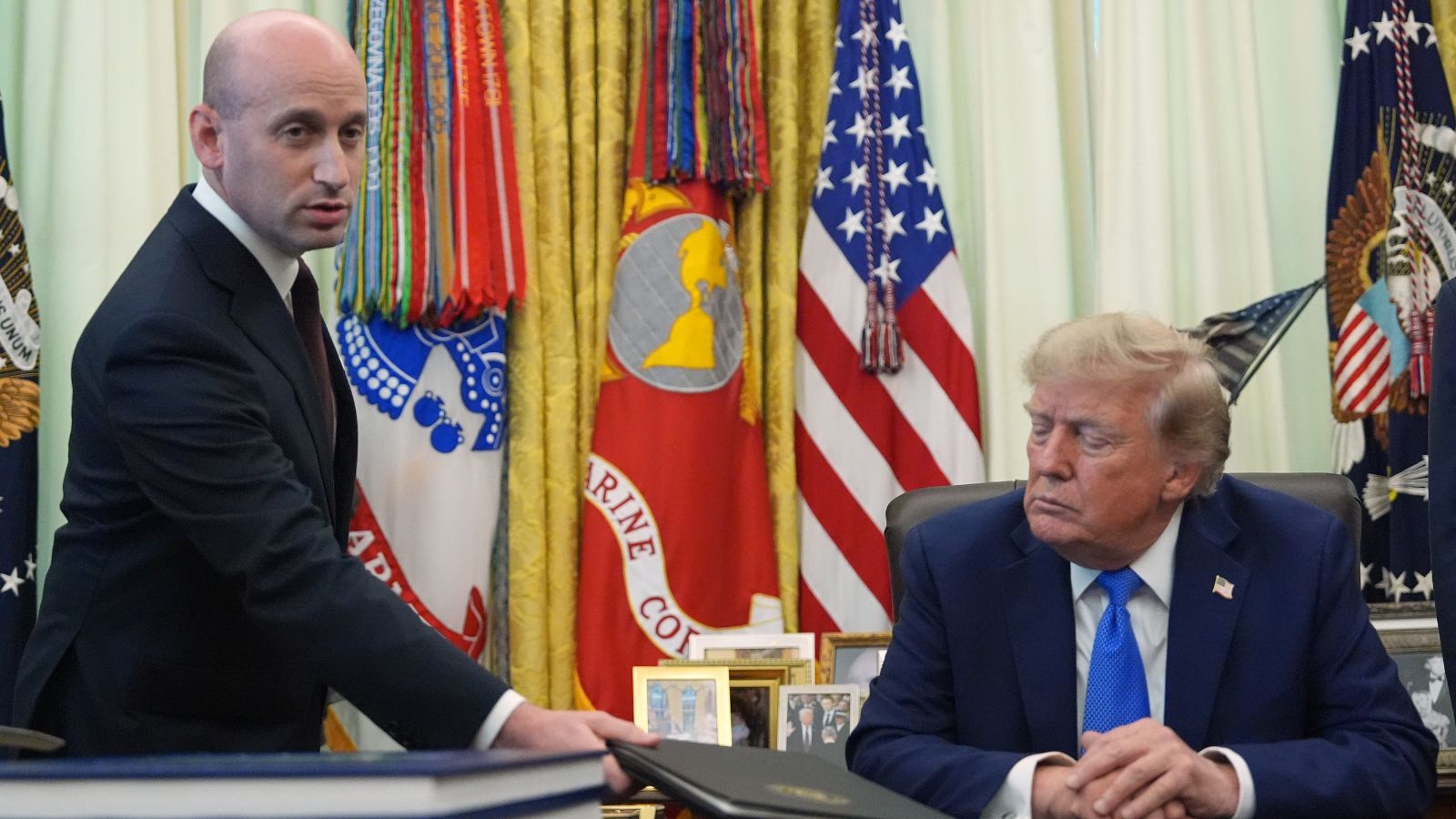
President Donald Trump returned to the desk, flanked by aides, signing two new executive directives. This time, the approach changed. Instead of a broad brush attempting to paint over the entire Citizenship Clause, the administration reached for a scalpel. The new orders take direct aim at commercial birth tourism and carve out narrow, specific exceptions for children born to certain foreign government staff, individuals labeled as alien enemies, or those whose parents engaged in commercial transactions to secure a birth on American soil.
The strategy is calculated. White House policy architects believe these tighter constraints thread the needle around the recent Supreme Court setback, setting up a secondary clash over who exactly qualifies as being subject to American jurisdiction.
For the Indian middle class—engineers on H-1B visas, doctors completing residencies, researchers trapped in permanent green card backlogs—the distinction between a total ban and a targeted restriction offers little emotional comfort. It injects a corrosive ambiguity into the everyday act of planning a family.
Consider a hypothetical couple, let us call them Rajesh and Priya. They live in Austin, Texas. Rajesh writes code for an autonomous vehicle startup, his life tethered to an H-1B visa stamp that requires periodic renewals at a consulate back home. Priya is pregnant. Under the old rhythm of American life, they took comfort in a simple, foundational truth: a child born on U.S. soil is an American citizen. That birth was the one anchor point in an otherwise precarious sea of temporary visas, employer sponsorships, and decades-long green card queues.
Now, that anchor feels frayed.
The administration argues that commercial birth tourism exploits a loophole, allowing transient visitors to purchase a constitutional privilege that grants future access to federal benefits and the ballot box. Stephen Miller, speaking to reporters during the Oval Office signing, declared the practice effectively banned, pointing to tighter visa screening protocols designed to intercept pregnant travelers before they ever board a flight.
Yet, the friction point is where the net catches unintended fish.
Immigration attorneys across New York and California reacted instantly, calling the new directives flatly unconstitutional and reminiscent of the overarching order dismantled by the judiciary just weeks prior. The American Civil Liberties Union promised immediate courtroom battles, noting that executive branch fiat cannot rewrite constitutional text ratified in the wake of the Civil War.
Legal scholars will spend the coming months dissecting whether the executive branch has the authority to deny birth certificates based on the method of entry or parental visa classification. Briefs will be filed. Oral arguments will be scheduled. Precedents like the 1898 landmark ruling in United States v. Wong Kim Ark will be debated down to their historical comma.
Meanwhile, back in Mumbai, the calendar stays open.
The tragedy of immigration policy is that it is drafted in the abstract language of statecraft, but lived in the visceral panic of individual human choices. A visa is not just a stamp. A hospital bill is not just a commercial transaction. They are markers of human hope, weighed down by the terrifying realization that the rules of the game can shift while you are asleep.
The executive orders will face injunctions. The courts will churn. The fundamental tension between a sovereign nation defining its borders and a constitutional tradition rooted in universal birthright will play out act by act. But for the family waiting for morning to break, the law is not yet a settled page. It is a shifting shadow, and they must decide whether to walk into it.