The air inside the Sinpo South Shipyard smells of ozone, wet rust, and the metallic tang of heavy cutting torches. For decades, this stretch of North Korea’s eastern coastline has been a place of forced, frantic labor. It is a world where men with calloused hands weld steel plates under the glare of harsh floodlights, their breaths freezing in the brutal winters, all to satisfy an obsession that began long before they were born.
Now, the mandate has shifted. The orders coming from Pyongyang are no longer just about building small, noisy diesel submarines that creep along the rocky coast. The new blueprint calls for something monstrous.
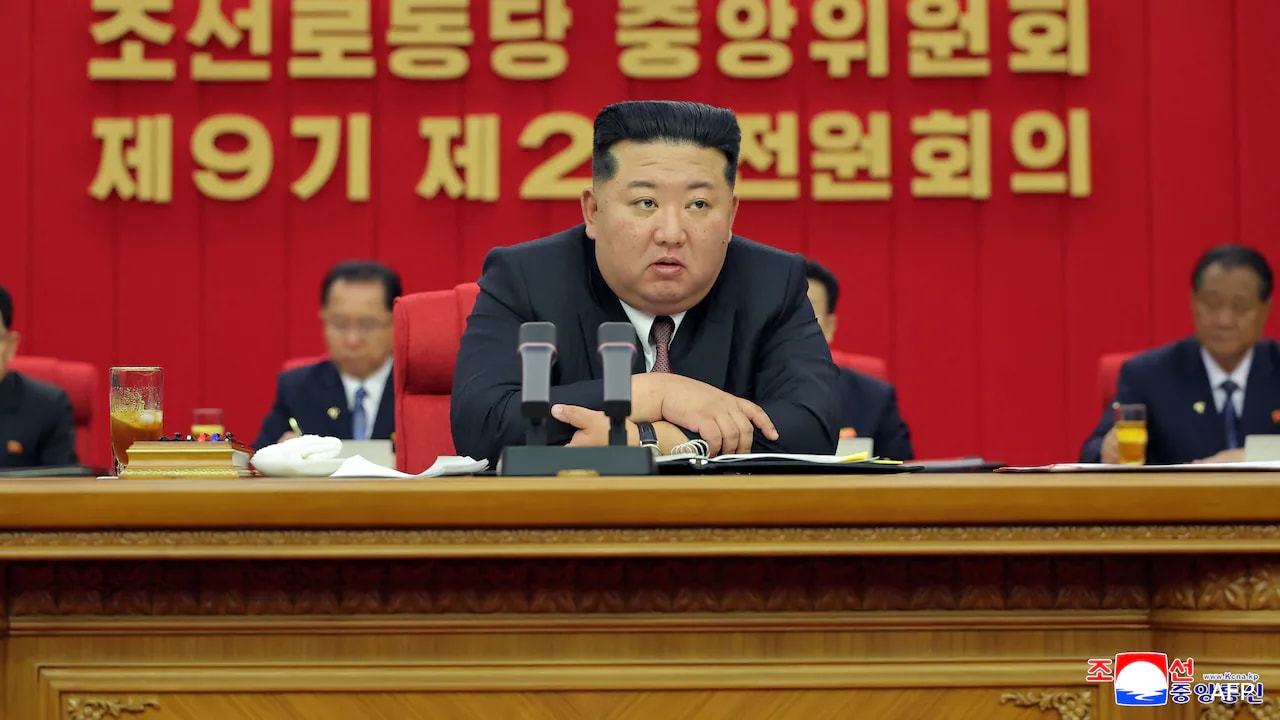
Kim Jong Un has announced a massive naval expansion, anchored by plans for 10,000-ton warships and a fleet of nuclear-powered vessels. To look at a blueprint of a 10,000-ton surface combatant is to look at a floating fortress. For context, that is roughly the size of a U.S. Navy Ticonderoga-class guided-missile cruiser or a multi-billion-dollar destroyer. It is an immense leap for a nation whose naval doctrine has traditionally relied on asymmetric, small-scale hit-and-run tactics.
But weapons are not just hardware. They are projections of psychological anxiety and raw ambition. Behind the cold, technical specifications of a nuclear reactor or a vertical launch system lies a deeper story about survival, pride, and the staggering human cost of forcing a isolated, hungry nation to build an empire on the waves.
The Cold Logic of the Deep
To understand why a nation with a fragile electricity grid wants a nuclear-powered navy, you have to understand the claustrophobia of modern warfare.
Imagine a young North Korean submariner. Let us call him Min-ho. This is a hypothetical composite of the young men sent down into the steel hulls of the current fleet. Min-ho spends weeks inside a Romeo-class submarine, a design dating back to the Soviet era. The space is a choked labyrinth of pipes, valves, and the suffocating stench of diesel fuel and unwashed bodies. Every few hours, the boat must rise to the surface, or just beneath it, to extend a snorkel. The diesel engines need air to breathe. They cough, they roar, and they send vibration shuddering through the water.
To modern anti-submarine warfare, that noise is a beacon. American and South Korean sonar operators, sitting in quiet, air-conditioned rooms miles away, can track those vibrations with terrifying precision. A diesel submarine is a cornered animal. It is always running out of air, always running out of time.
A nuclear navy changes the geometry of fear.
A nuclear reactor does not need air. It breathes nothing. It can stay submerged for as long as the food holds out and the crew's sanity endures. For Kim Jong Un, this is the ultimate shield. A nuclear-powered submarine carrying ballistic missiles can slip into the deep trenches of the Sea of Japan, fading into the background noise of the ocean. It creates a permanent, invisible second-strike capability. It means that even if a conflict wipes out the launch pads on land, a silent retaliatory strike remains waiting in the dark.
This is not a sudden whim. It is the continuation of a decades-long obsession with strategic deterrence, moving from the mountains to the sea.
The Illusion of the 10,000-Ton Leviathan
While a nuclear submarine is about hiding, a 10,000-ton surface warship is about being seen. It is a massive statement of sovereign legitimacy.
Yet, external maritime experts look at these announcements with a mixture of alarm and profound skepticism. Building a large surface ship requires specialized metallurgy, advanced radar integration, and complex turbine systems that North Korea has historically struggled to produce domestically. A ship of that size is also a massive target. Without a fleet of smaller support ships to defend it from air attacks and submarine ambushes, a lone 10,000-ton cruiser is nothing more than a giant, expensive target.
Consider the resource diversion required to lay the keel of just one such vessel. Steel that could repair crumbling railway lines, fuel that could power tractors in starvation-threatened provinces, and engineering talent that could modernize a failing civilian grid are all funneled into a single hull.
But in the theater of state propaganda, the logistical reality is often secondary to the emotional impact. The regime needs its people, and its adversaries, to see North Korea not as a struggling state under heavy economic sanctions, but as a peer competitor to the world's great naval powers.
The Invisible Stakeholders
The international community watches these developments through satellite imagery. Analysts in Washington and Seoul look at commercial imagery of the Sinpo shipyard, measuring the width of construction bays and tracking the movement of crane gantries. They write reports filled with acronyms like SSBN (Ballistic Missile Submarine) and VLS (Vertical Launch System).
But the true weight of this naval dream is carried by the people who will never step foot on these ships.
The funding for a nuclear navy does not appear out of thin air. It is extracted through meticulous state control of the economy, cryptocurrency cyber-operations, and the tightening of rations. The cost is measured in the quiet desperation of families in the interior provinces, far from the coastal shipyards, who watch the meager winter electricity supply dwindle to a few hours a day while the floodlights at Sinpo burn bright through the night.
There is a profound irony at sea. A commander standing on the bridge of a future North Korean nuclear vessel might have the power to threaten a continent with a rain of fire, yet his own extended family back home might lack the coal needed to heat their home through a standard winter.
The Resonant Echo
The ocean has a way of swallowing secrets, but it also amplifies intentions. The push for a blue-water navy is an admission by Pyongyang that land-based isolation is no longer enough to guarantee security. By reaching for the deep ocean, the regime is attempting to anchor its future in the one environment the West has spent a century trying to dominate.
As the smoke clears from the latest shipyard inspection, the reality remains. The steel will continue to be cut. The welders will continue to spark their torches against the dark coastal night. Whether these 10,000-ton leviathans ever successfully sail the open ocean is almost beside the point. The ambition itself is the weapon, a heavy, metallic promise hammered out at the expense of a nation's quiet survival, cast into the deep, gray waters.