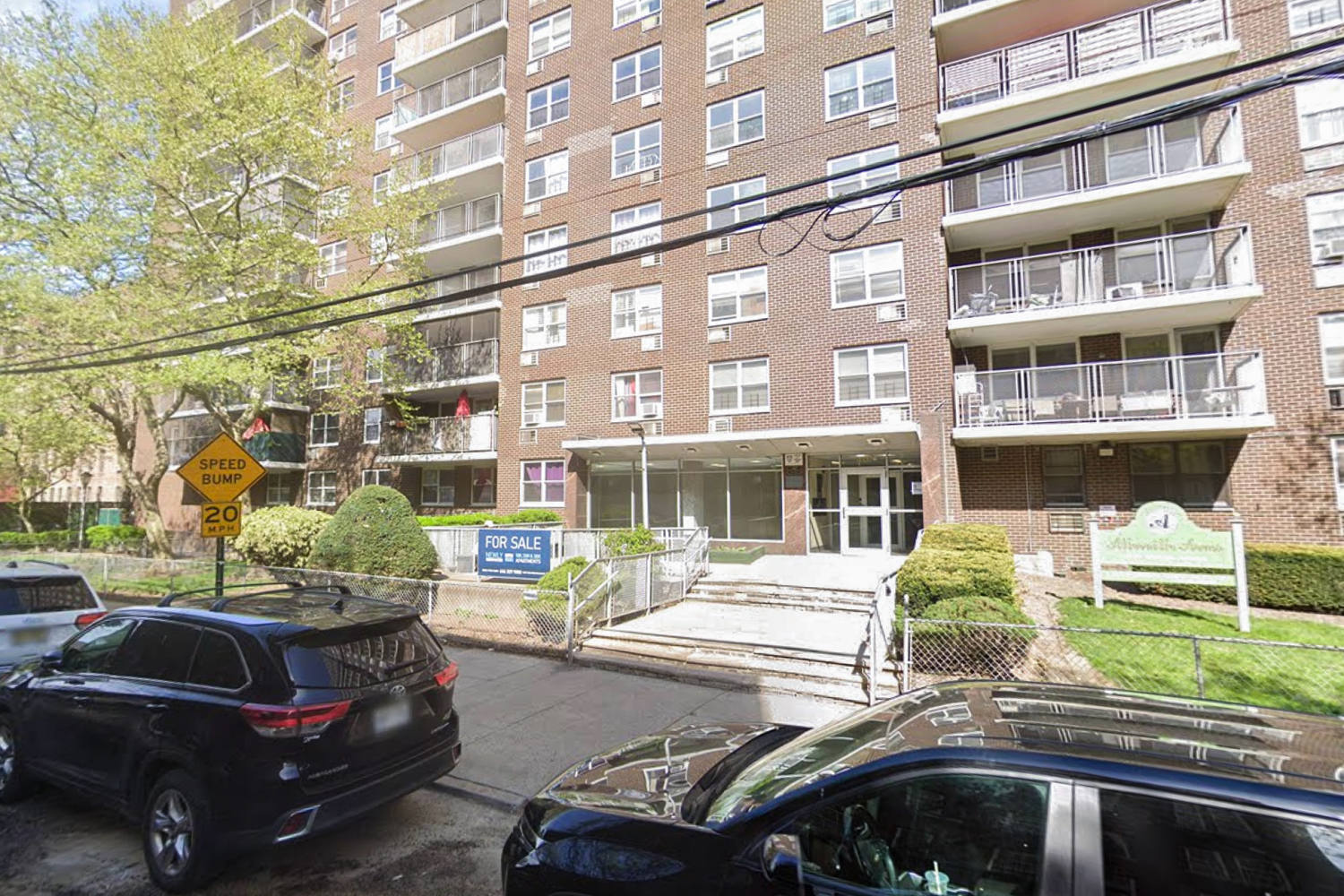
The siren does not ask for permission. It cuts through the damp autumn air of the Bronx with a raw, mechanical scream, parting the traffic on Grand Concourse as if the asphalt itself were trying to escape.
Below that sound, behind the weathered brick facade of an apartment building, the city continues its relentless rhythm. Sirens are part of the background music here. They are the white noise of a borough that never quite catches its breath. People glance up, their eyes registering the flashing red lights reflected against the peeling paint of a third-story window, and then they look back down at their phones, their groceries, their shoes.
Until the screaming stops right beneath the building.
Until the yellow police tape unfurls, snapping taut in the wind, turning a public sidewalk into a private vault of tragedy.
We read the headlines later, scrolling through our feeds with a numbness born of constant exposure. A woman dead. A baby critically injured. A fall from a window. The words are clinical, sanitized by the police blotter from which they were pulled. They describe a mechanical event: height, gravity, impact. They treat a human life like a statistical footnote in a city of eight million souls.
Statistics do not bleed. Statistics do not leave behind half-eaten meals on a kitchen table, or a tiny sock kicked under a radiator, waiting for a foot that will not return.
To understand what happened behind that Bronx window, we have to strip away the journalistic distance and look at the invisible architecture of urban survival. We have to look at what it means to raise a child in a space that feels both like a sanctuary and a cage.
The Walls We Build Around Us
Every apartment tells a story long before tragedy walks through the door.
Imagine the room. The radiators clank with that familiar, rhythmic violence peculiar to older New York housing stock, cycling on and off as the temperature outside dips. The light through the glass is the pale, diffused gray of a late afternoon pressing against dirty panes. In the center of the room, a mother moves with the practiced efficiency of someone carrying the weight of a world she cannot quite afford.
She is tired. Not the kind of tired that a good night's sleep cures, but the bone-deep exhaustion of chronic stress. The rent is a looming shadow. The isolation of a modern city can be absolute, even when you are surrounded
The Shadows We Carry Across the Threshold
news
{}
The ordinary morning wears a mask of routine until the moment it tears open. For anyone who has stood on the precipice of a high-rise window, looking down at the indifferent pavement below, the world often narrows to a pinpoint of overwhelming, suffocating pressure. We live in structures of brick and glass, stacked high against the sky, imagining they offer protection. Sometimes, they only offer confinement.
Consider the ordinary details of an apartment in the Bronx. The radiator ticking with dry winter heat. The faint smell of coffee grounds in the sink. The low hum of traffic drifting up from the asphalt avenues, five, ten, fifteen stories down. To the casual passerby on the street, looking up at the uniform rows of windows, it is just architecture. It is just real estate. But behind one of those panes on a Tuesday, an entire universe cracked apart.
A thirty-year-old mother and her infant child fell from a high-floor apartment in the borough, plunging into a space where gravity does not negotiate and mercy is entirely absent. The woman did not survive the descent. The baby, miraculously breathing yet critically broken, was rushed into the cold white corridors of a trauma center.
News reports tend to flatten these tragedies into bullet points. They give us the coordinates, the age, the condition, and the coroner’s docket number. They strip away the messy, haunting reality of what it means to reach the absolute edge of human endurance. They miss the invisible weight that accumulates in small rooms over sleepless weeks.
Postpartum crises do not announce themselves with dramatic flares. They creep in through the baseboards. They whisper in the dark when the clock reads three in the morning and the infant's cry refuses to soften. We build a society that expects mothers to perform miracles in isolation, hidden behind heavy wooden apartment doors, cut off from the ancient village structures that once held families together. We hand them the keys to a modern fortress and forget to check if they have air inside.
When an adult collapses under the weight of severe psychological distress or sudden psychiatric crisis, the collapse is rarely instantaneous. It is a slow erosion. It is the feeling of drowning while standing upright in a kitchen with a dirty bottle in the sink and laundry piled high on a folding chair. The sheer isolation of urban poverty or hidden mental health struggles creates an echo chamber of despair.
What happens in the moments before the glass gives way?
We can only reconstruct it through the cold lens of emergency response units, the flashing red lights of police cruisers illuminating brick facades, and the frantic sirens echoing off concrete canyons. First responders arrived to find a scene that defies easy comprehension. Paramedics moved with practiced, desperate speed, knowing that seconds meant the difference between life and a tiny grave. The infant, fragile as porcelain, was whisked away to a pediatric trauma unit, leaving behind a neighborhood stunned into silence.
The police tape goes up. The reporters gather with their microphones, hunting for soundbites from neighbors who never heard a thing. That is the most terrifying part of modern living. We share walls with strangers. We pass each other in narrow stairwells and cramped elevators, muttering polite half-smiles, completely unaware of the silent storms raging behind closed doors.
Mental health professionals often talk about intervention windows, safety plans, and clinical pathways. These terms sound clean and orderly on paper. But human minds do not break according to a schedule. They shatter in the messy, unsterile reality of everyday life. A mother experiencing a severe mental health crisis or acute psychosis is trapped in a terrifying labyrinth of her own mind, where escape seems like the only logical exit.
We must confront the uncomfortable truth about how we fail the most vulnerable among us. We have engineered a world of high-altitude housing and low-density human connection. When a family is severed in an instant, the shockwaves ripple outward through the emergency room staff, the investigating detectives, the neighbors who looked up at the flashing lights, and the surviving relatives left to piece together a narrative from silence.
The baby remains in the hospital, fighting for breath, wrapped in tubes and monitors, unaware of the storm that just passed over. That child’s future is now an open question mark, suspended between grief and survival.
We walk past these apartment buildings every single day, glancing up at the windows without wondering what shadows might be stretching across the floor inside. The tragedy in the Bronx is not an isolated anomaly of concrete and gravity. It is a stark, heartbreaking reminder of how fragile we truly are when the safety nets fray completely.
The sirens have long since faded. The flashing lights are gone. The pavement has been washed clean. But the quiet echoes remain, hanging heavy in the air between the buildings, urging us to look closer, to listen harder, and to realize that nobody should ever have to fight the dark alone.