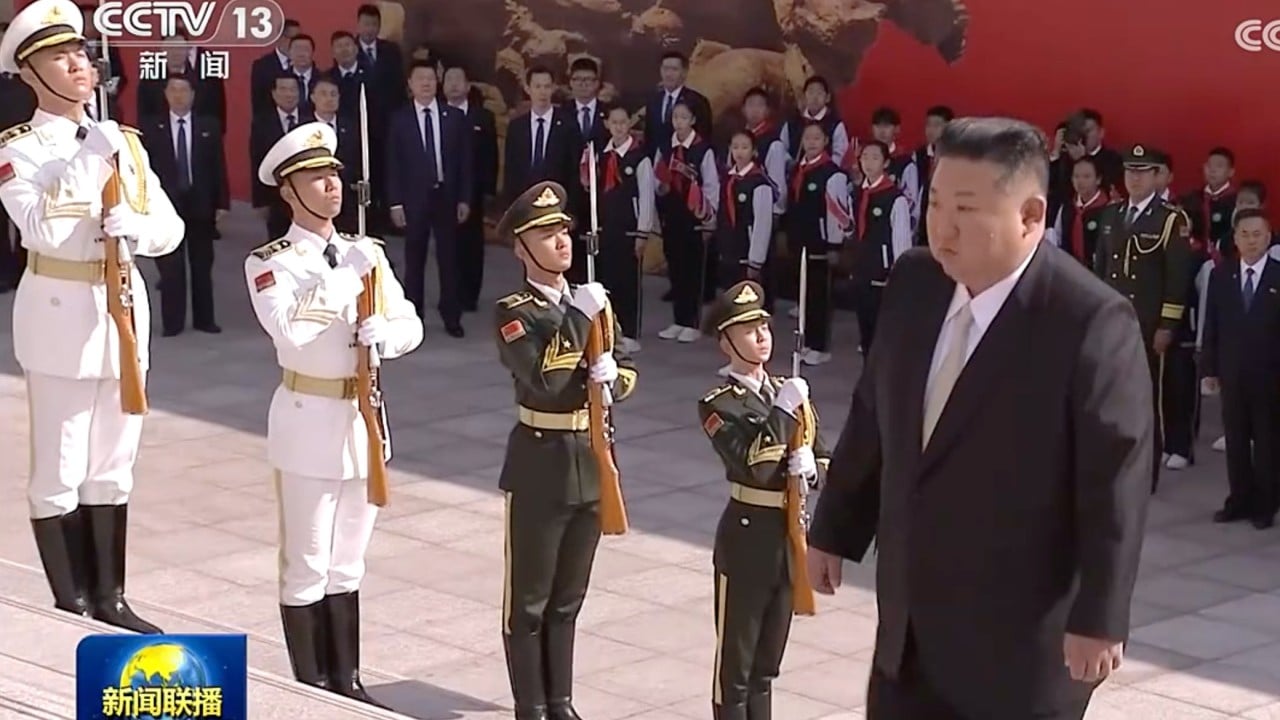
Mainstream geopolitical coverage treats every appearance by North Korean leader Kim Jong Un near the Chinese border city of Dandong as a predictable diplomatic ritual. According to conventional foreign policy commentary, these trips signal either a desperate plea for economic aid or a routine reaffirmation of Cold War-era solidarity.
Both interpretations miss the structural reality of Northeast Asian statecraft. When observers reduce border diplomacy along the Yalu River to simple dependency, they overlook how Pyongyang and Beijing actually manage mutual leverage, sanctions evasion, and regional security.
The Geography of Leverage Along the Yalu River
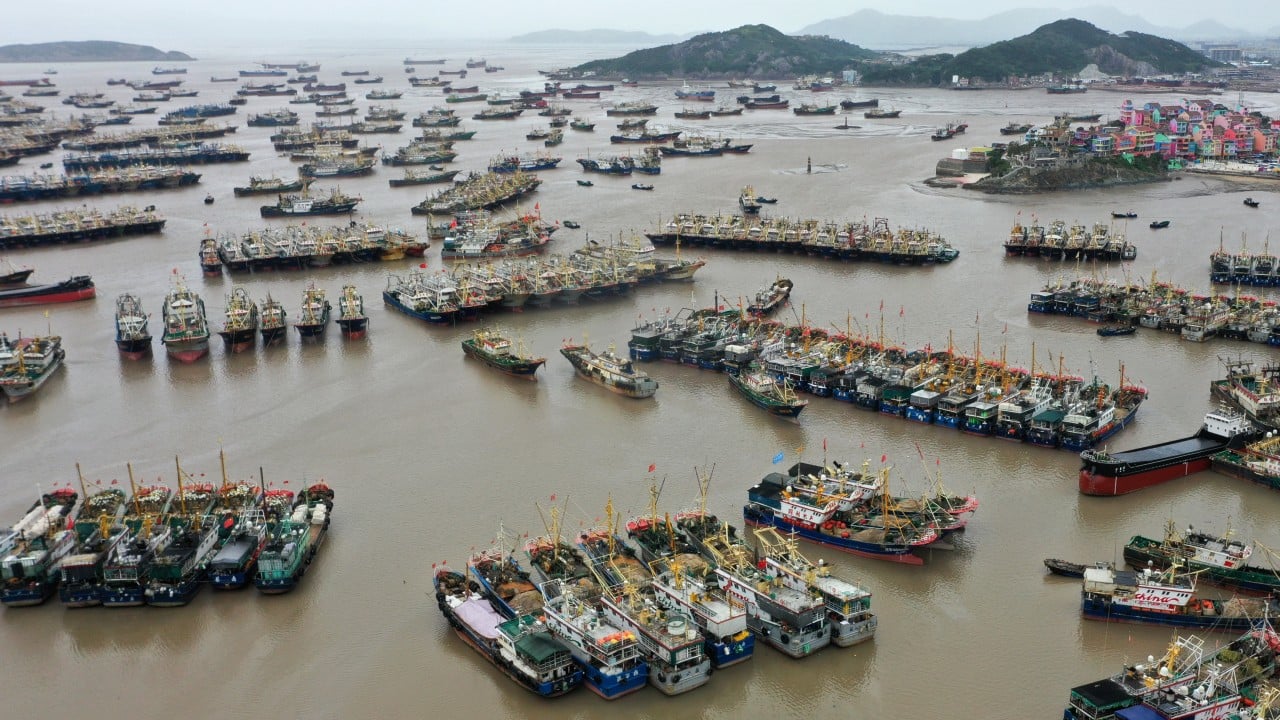
Dandong is not merely a transit point; it is the primary economic artery connecting North Korea to the global market. Historically, the city has accounted for roughly 70 percent of official bilateral trade between China and the Democratic People's Republic of Korea (DPRK).
Standard reporting often frames this statistical dominance as proof that Beijing holds total control over Pyongyang. Analysts frequently argue that China could collapse the North Korean economy overnight simply by sealing the Sino-Korean Friendship Bridge.
That argument ignores the political cost to Beijing. Regional security scholars and policy analysts at institutions like the Stimson Center and the Center for Strategic and International Studies (CSIS) have repeatedly noted that China’s primary objective on the Korean Peninsula is stability, not regime collapse. A sudden economic implosion in North Korea risks triggering a humanitarian crisis, mass refugee flows into Liaoning Province, and the potential presence of United States-allied forces directly on China's northeastern border.
Consequently, a high-profile visit to Dandong does not demonstrate North Korean submission. Instead, it underscores mutual deterrence. Kim Jong Un understands that Beijing's fear of regional instability limits how far Chinese officials will go to enforce United Nations Security Council resolutions.
Economic Survival Versus Strategic Autonomy
To understand the mechanics of border diplomacy, it is necessary to separate formal trade statistics from informal cross-border networks.
- Formal Trade: Heavily monitored customs shipments passing through Dandong, which fluctuate sharply based on international sanctions regimes and public health border closures.
- Informal Commerce: Joint ventures, labor transfers, and localized supply chains operating across Liaoning and Jilin provinces that insulate key North Korean industries from external pressure.
- Infrastructure Integration: Long-term projects, such as the New Yalu River Bridge, which represent decades of asymmetric planning rather than immediate crisis management.
According to trade data tracked by the Korea International Trade Association (KITA), official trade volumes between China and North Korea routinely experience dramatic contractions during periods of heightened international scrutiny, followed by rapid rebounds once diplomatic attention shifts elsewhere.
Western commentary often mistakes these temporary contractions for permanent economic isolation. In practice, physical proximity to Dandong allows Pyongyang to recalibrate its supply chains rapidly whenever geopolitical winds shift.
The Myth of the Junior Partner
A persistent misconception in international journalism is that North Korea operates as a compliant client state of Beijing. Historical records tell a different story.
From the era of Kim Il Sung through the current leadership of Kim Jong Un, Pyongyang has consistently resisted Chinese efforts to dictate its domestic economic reforms or its strategic weapons programs. Even when bilateral relations cooled significantly during the mid-2010s following North Korean nuclear tests, Pyongyang refused to abandon its nuclear deterrent to appease Beijing.
When Kim Jong Un travels toward the Chinese border, the trip serves multiple audiences simultaneously:
- Washington and Seoul: The optics of Sino-North Korean engagement remind U.S. and South Korean policymakers that military or economic pressure on Pyongyang cannot succeed without Chinese cooperation.
- Moscow: As North Korea expands defense and economic ties with Russia, visible engagement with Beijing signals to the Kremlin that Pyongyang maintains alternative diplomatic options.
- Domestic Elites: Appearances near major Chinese commercial hubs project an image of international legitimacy and economic competence to North Korean party officials and military leaders.
The Limits of Border Diplomacy
While border engagement provides Pyongyang with critical breathing room, overstating the harmony between Beijing and Pyongyang carries its own analytical risks.
The relationship remains fundamentally transactional and marked by deep historical distrust. Chinese policymakers frequently express frustration over North Korean unpredictability, while North Korean officials remain wary of becoming overly dependent on a single neighbor—a concern that historically drove Pyongyang's Juche (self-reliance) ideology and its periodic outreach to Russia and the United States.
Furthermore, physical infrastructure in Dandong does not automatically translate into broad economic modernization for North Korea. Without structural domestic reforms, cross-border trade primarily sustains state-aligned enterprises and strategic priorities rather than generating widespread prosperity for ordinary citizens.
Reading the Signals Without the Noise
Evaluating leadership movements along the Yalu River requires looking past surface-level optics. Rather than asking whether Kim Jong Un is asking Beijing for permission or financial rescue, analysts should examine specific policy indicators that follow such visits:
- Customs Reopenings and Freight Volume: Changes in rail and truck traffic across the Yalu River provide concrete evidence of shifting enforcement priorities in Beijing.
- Diplomatic Appointments: Upgrades in consular representation or ministerial exchanges signal whether talks are moving from symbolic gestures to operational agreements.
- Multilateral Coordination: Statements from the Chinese Ministry of Foreign Affairs regarding Korean Peninsula diplomacy reveal how Beijing intends to use its influence in broader negotiations with Washington.
Diplomacy on the Sino-North Korean border is rarely about sudden breakthroughs or unilateral capitulation. It is an ongoing negotiation over boundaries, risk tolerance, and regional balance—one where both sides use geography to maximize their leverage while avoiding the costs of open confrontation.