The room smells of heavy cardamom tea and tobacco smoke, trapped behind thick curtains that block out the chaotic din of Tehran's traffic. It is in rooms like this, far removed from the grand, mirrored halls of official press conferences, that the future of international diplomacy is actually decided. Western diplomats often mistake the public theater of negotiations—the podiums, the stern statements, the flags—for the actual leverage. They look at the official seating charts. They track the ministers.
They are looking in the wrong place.
Power in Iran does not flow through an organizational chart. It flows through proximity, shared history, and whispers. Today, a new whisper is dominating the corridors of the Islamic Republic, and it centers on a general whose name is suddenly carrying a terrifying amount of weight in the high-stakes chess match of international nuclear and regional talks.
To understand why this general matters, we have to look past the official briefings and look at the man who holds the ultimate key to the country's future: Mojtaba Khamenei.
The Invisible Pipeline
Consider a hypothetical scenario, a composite of how decisions happen in the upper echelons of Iranian power. A European envoy sits across from a smiling, Western-educated Iranian diplomat in Geneva. The diplomat nods, agrees to a framework, and promises a breakthrough. The envoy leaves the room feeling victorious.
But back in Tehran, that agreement is nothing more than ink on paper. It has to pass through a shadow network of clerics, intelligence operatives, and commanders who view Western promises with profound suspicion. For decades, the hardest part of negotiating with Iran hasn't been reaching an agreement with the negotiators; it has been figuring out if the negotiators actually speak for the Supreme Leader.
Enter the General.
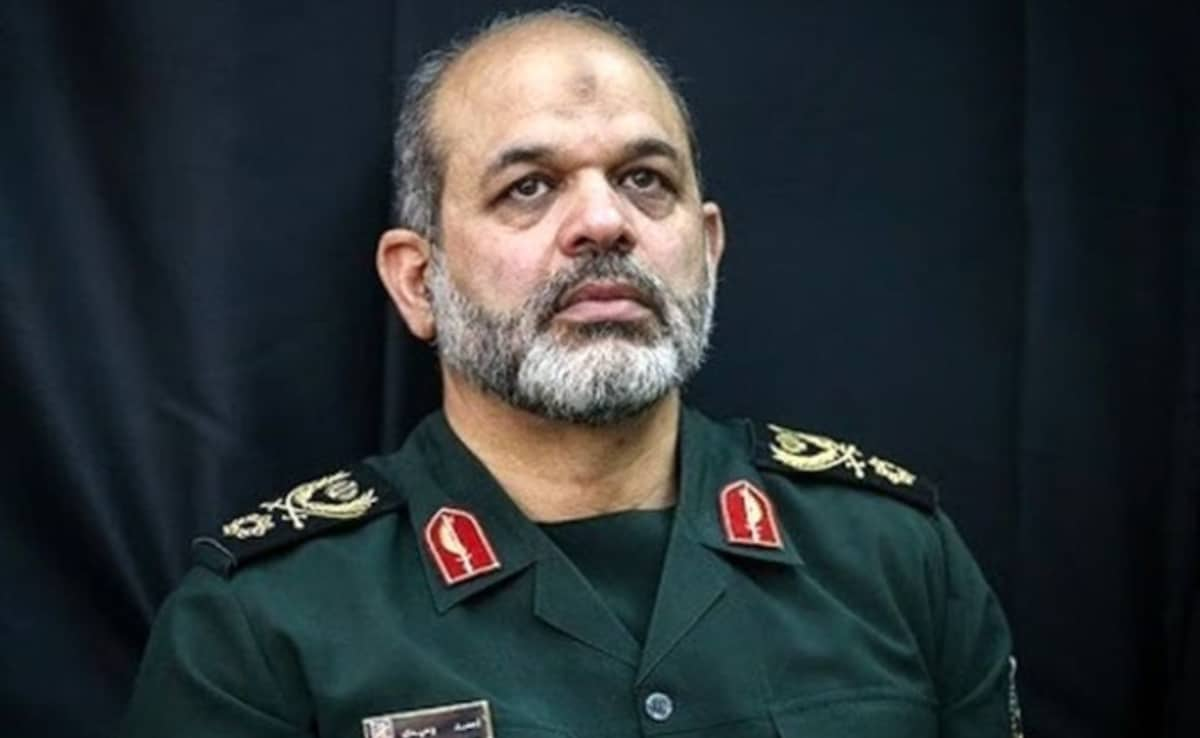
He does not have a massive public profile. He does not post fiery videos on social media or give sweeping speeches to thousands of chanting supporters. His power is quiet. It is defined by a single, priceless asset: a direct line to Mojtaba Khamenei, the highly influential son of the Supreme Leader.
In the complex tribalism of Iranian politics, access is currency. If a general can bypass the bureaucracy, bypass the president's office, and go straight to the inner circle of the Khamenei household, he becomes the most important person in the room. He becomes the gatekeeper. When this general speaks in internal strategy sessions, others listen not because of the stars on his uniform, but because they know his voice carries the echo of the country's true decision-makers.
The Shift in the Shadows
For years, Western intelligence agencies focused their attention on traditional power brokers within the Islamic Revolutionary Guard Corps (IRGC). They mapped out the networks of legendary commanders, analyzing every public appearance for clues about policy shifts.
But power is fluid. It pools where trust is deepest.
The rise of a general with a direct line to Mojtaba signals a profound shift in how Iran is approaching international talks. It suggests that the old divisions between the "moderate" diplomats and the "hardline" military factions are blurring into something much more consolidated. This isn't about two different factions fighting for the soul of the country. This is about a centralized elite preparing for a generational transition of power at home while managing immense pressure from abroad.
Think of it as a corporate restructuring where the board of directors suddenly appoints a trusted enforcer to oversee a critical merger. The CEO might still be the one signing the press releases, but everyone in the building knows who actually holds the veto power.
This general is that enforcer.
Why This Friction Matters to the Outside World
It is easy to view these internal dynamics as distant political theater, a game of thrones played out in a language and culture far removed from daily life in the West. But the reality is that the identity of Iran's key players dictates everything from the price of oil at your local gas station to the stability of global shipping lanes.
When negotiations stall because the Iranian side suddenly reverses its position overnight, it is usually because a figure like this general has stepped into the shadows and rewritten the script. He represents the institutional memory and the deep-seated security anxieties of the regime. He looks at a diplomatic proposal not through the lens of economic reform, but through the lens of regime survival.
For the international community, dealing with a centralized figure can be both a blessing and a curse. On one hand, it eliminates the guesswork. If you can convince the man who has Mojtaba's ear, you can secure an agreement that will actually stick. The dizzying layers of bureaucratic deniability melt away.
On the other hand, the stakes become incredibly unforgiving. There is no room for error, no space for creative ambiguity. When power is this concentrated, a single misunderstanding can derail years of diplomatic effort in an instant.
The Weight of the Secret
True authority rarely shouts. It doesn't need to.
As the international community prepares for the next round of delicate, indirect talks, the focus will inevitably remain on the public faces—the foreign ministers, the UN envoys, the smiling spokespeople. They will exchange papers and debate the placement of commas in draft agreements under the glare of television cameras.
But the real story will be unfolding thousands of miles away, in a quiet office where a telephone sits on a mahogany desk. When that phone rings, and the general answers, the voice on the other end won't be asking about public opinion or diplomatic etiquette. It will be calculating the next move in a long, patient game of survival.
The tea in the Tehran corridor grows cold, but the quiet conversations shaping the world's security are only just beginning.