The stethoscope has a distinct weight when it hangs around a neck. It is a symbol of an unspoken covenant: no matter how violent the world outside becomes, the person wearing it stands between the living and the dead.
In Gaza, that weight changes. It becomes a target.
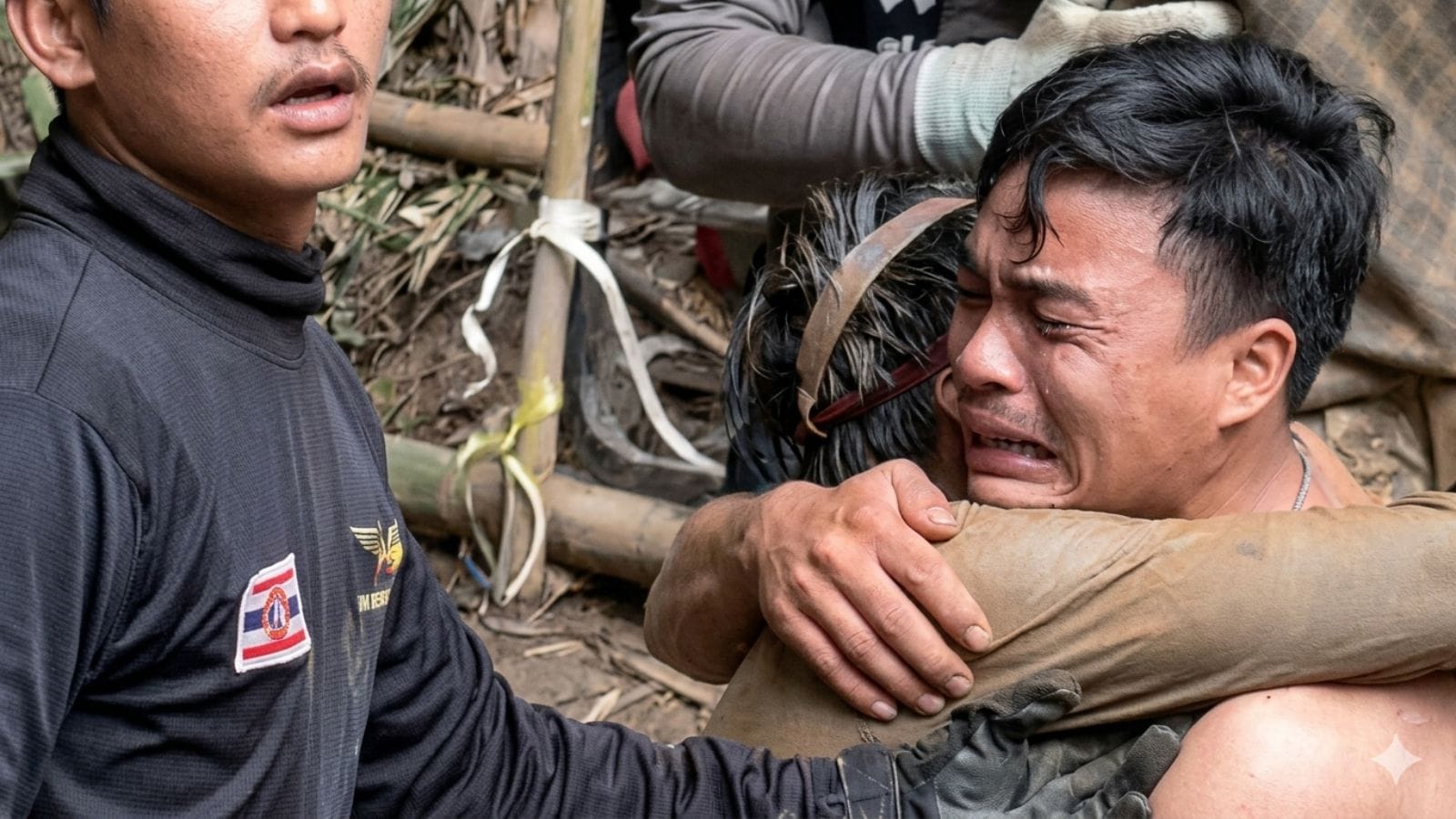
When the strike hit, it did not announce itself with the cinematic crescendo people expect. There was only the sudden, violent displacement of air, a sound like the earth itself tearing open, and then the suffocating cascade of concrete dust. When the air finally cleared, a Palestinian doctor lay dead. Three others were left bleeding into the dirt beside him, their injuries adding to a ledger of casualties that has long since ceased to feel like numbers and now feels like an existential erasure.
This is not a report about military targets or strategic collateral. This is a story about what happens when the fragile infrastructure of human survival is systematically dismantled, one life at a time.
The Geography of Exhaustion
To understand the death of a doctor in Gaza, you have to understand the anatomy of a hospital under siege. It is not a place of sterile hallways and quiet recovery. It is a triage ecosystem operating on the absolute brink of collapse. Power cuts out mid-incision. Surgeons work by the erratic glow of smartphone flashlights. Clean water is a luxury; anesthesia is a memory.
Consider a typical morning for a medical professional in this environment. You wake up on a thin mat on the hospital floor because going home is too dangerous. Your family is scattered in tents across a designated safe zone that does not feel safe. You wash your hands with a meager splash of contaminated water. Then, you walk into a ward overflowing with children missing limbs, elderly patients suffocating from lack of oxygen, and mothers clutching infants who have stopped breathing.
You do all of this knowing that the roof above you could collapse at any second.
The competitor networks will tell you the date, the location, and the confirmed casualties of the latest Israeli attack. They will offer a brief quote from a military spokesperson and a counter-statement from a local official. They treat the incident like a sudden weather event—unfortunate, chaotic, and unpredictable.
But a targeted strike on medical personnel is not a storm. It is a choice.
The Invisible Stakes of a Slain Healer
When a missile kills a soldier, a position is lost. When a missile kills a doctor, an entire community loses its lifeline.
Think of the compounding math of a single medical life. A trained physician treats dozens of patients a day, performs hundreds of surgeries a year, and stabilizes thousands of crises over a career. When you extinguish that one life, you are effectively sealing the fate of the next fifty people who would have arrived at his clinic bleeding from shrapnel wounds or suffering from preventable infections.
The three injured people beside him carry scars that go far deeper than the physical trauma reported in the morning briefs. They are the witnesses to the vulnerability of the very people meant to protect them. If the man with the scalpel and the white coat cannot survive the afternoon, what hope is there for the civilian waiting in the corridor?
This reality breeds a specific, paralyzing terror. It forces a terrible calculus onto the population: do you risk traveling through a bombardment to reach a hospital that might be struck while you are inside? Or do you stay in your home, bleeding quietly in the dark, hoping the wound closes on its own?
A Pattern Written in Brick and Bone
This latest attack is not an isolated tragedy. It fits into a broader, documented pattern of behavior that has drawn the condemnation of international humanitarian organizations worldwide. The Geneva Conventions are explicit on this point: medical personnel must be respected and protected in all circumstances. They are meant to be neutral actors in the theater of war.
Yet, across the Gaza Strip, hospitals have been surrounded, ambulances have been struck, and medics have been detained. The defense often hinges on the claim that these facilities are utilized as shields by combatants. But the burden of proof for such claims must be astronomically high when the cost of a mistake is the total obliteration of a healthcare system.
When the dust settles over the blast site, the immediate response is always the same. There is the frantic digging through the debris with bare hands. There is the screaming for stretchers that are already broken. There is the agonizing realization that the person who knew how to stop the bleeding is the one currently bleeding out.
The international community watches these events through a lens of numbing repetition. The headlines blur together. Another strike. Another casualty count. Another expression of deep concern from a podium in Geneva or Washington.
But for the colleagues of the fallen doctor, there is no time for diplomatic hand-wringing. They must mop the blood from the floor, gather the remaining supplies, and prepare for the next influx of wounded. They do this because the alternative is total surrender to the chaos.
The Final Chord
As night falls on the city, the smoke from the explosion dissipates into the Mediterranean breeze, leaving behind the acrid scent of pulverized concrete and burnt iron.
In the courtyard of the damaged facility, a pair of blood-stained medical shears lies forgotten in the dirt. Nearby, a young nurse sits on an overturned plastic crate, her head buried in her hands, her shoulders shaking in silence. She has exactly seven minutes to mourn before the sirens begin to wail again in the distance, signaling the arrival of the next convoy of the broken and the desperate.
The white coat is gone, but the patients are still coming.