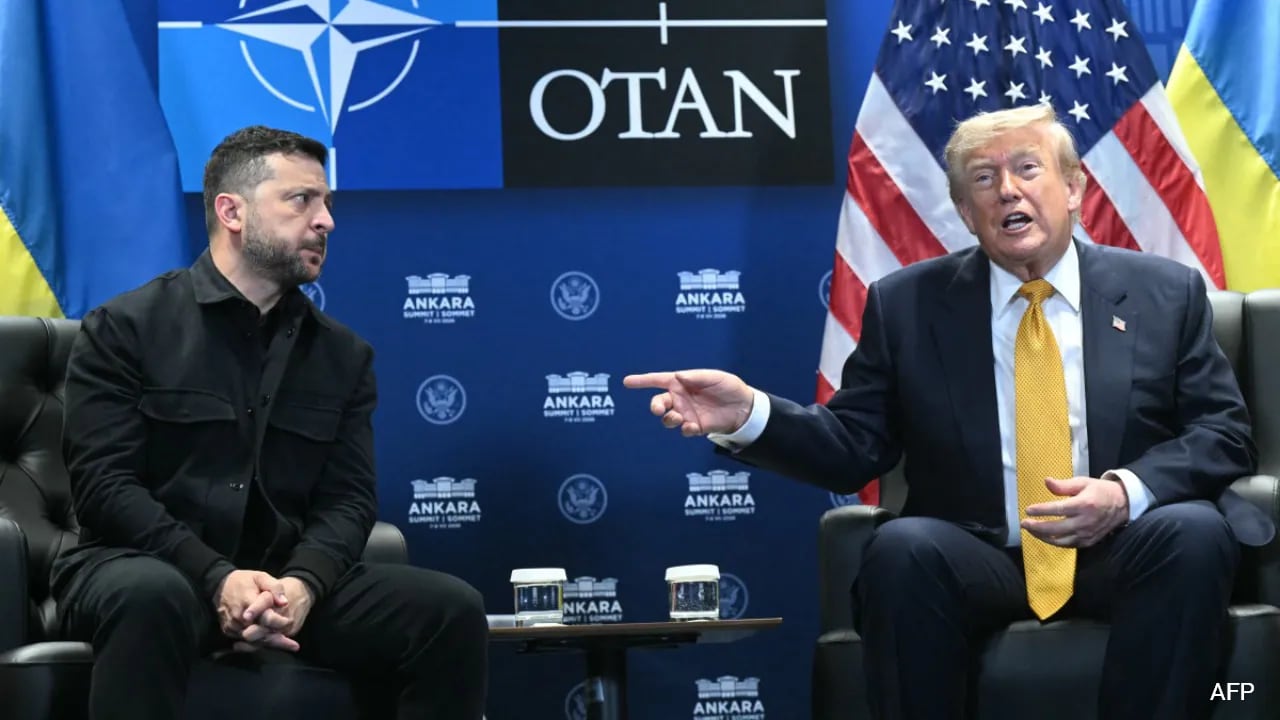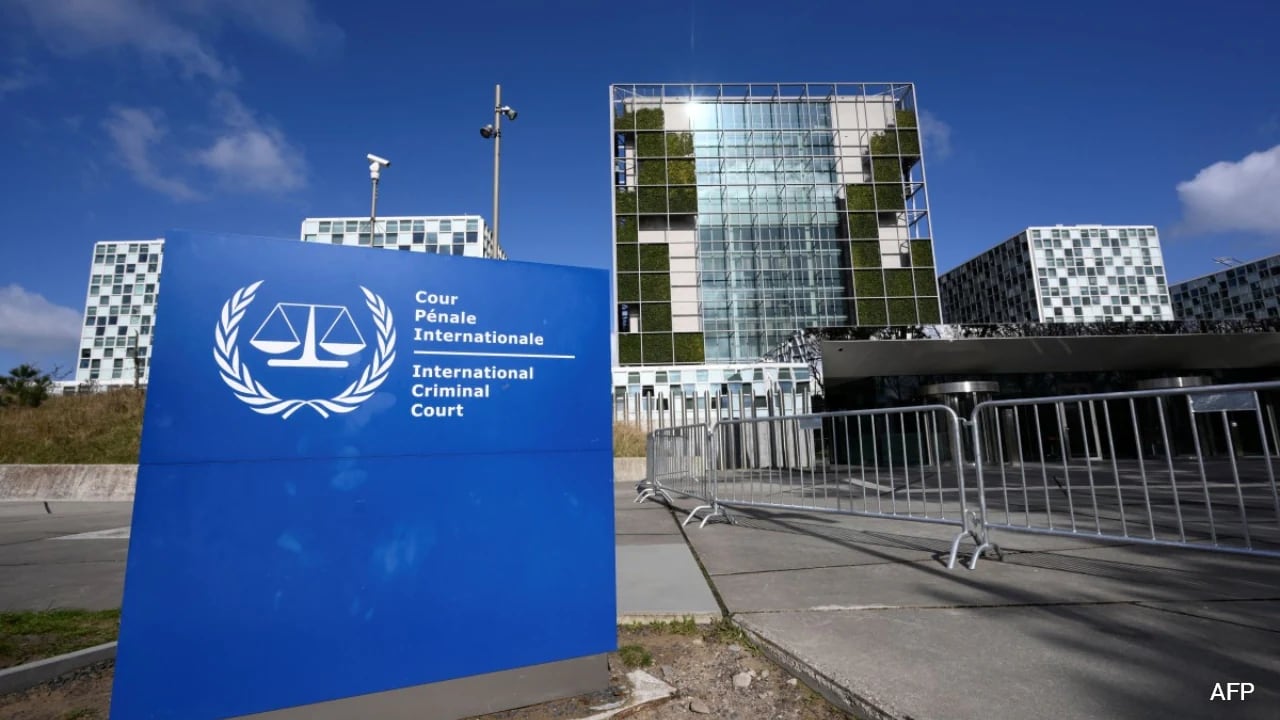
The confrontation between Washington and The Hague has crossed from diplomatic friction into open institutional warfare. Under the direction of President Donald Trump and Secretary of State Marco Rubio, the United States is executing a systematic strategy to neutralize the International Criminal Court. This campaign relies not on traditional backroom lobbying or quiet diplomatic pressure, but on severe economic coercion, targeted financial sanctions, and an existential challenge to the architecture of post-Cold War multilateralism.
To understand why this offensive is happening now, one must look past the immediate legal flashpoints and examine the fundamental friction points that have defined the U.S.–ICC relationship for over two decades. Washington has never ratified the Rome Statute, maintaining that an un-elected international tribunal cannot constitutionally supersede American sovereignty or assert jurisdiction over citizens of a non-state party. Yet for years, previous U.S. administrations engaged in selective, pragmatic cooperation with the tribunal when its targets aligned with American foreign policy goals, such as indicting adversaries in Sudan, Libya, or Russia.
That uneasy compromise evaporated the moment the tribunal's investigations began grazing the interests of the United States and its closest allies. When the court pursued inquiries into alleged violations by American personnel in Afghanistan—a dormant docket that recently saw formal closure proceedings due to insurmountable investigative roadblocks—and issued arrest warrants concerning actions in Gaza, the White House dropped any pretense of accommodation.
Secretary of State Marco Rubio formalized this shift, framing the court as an active threat to American constitutional independence. Rather than merely issuing statements of condemnation, the administration operationalized a punishing sanctions regime. The White House targeted high-ranking court officials, including the ICC president and key judges, freezing personal assets, invalidating credit cards, and criminalizing material support for the tribunal's operations.
The practical effects of these measures are suffocating. Because the ICC relies heavily on international banking infrastructure, software providers, and administrative contractors—many of which have U.S. nexuses—the sanctions threaten to choke off the tribunal's day-to-day liquidity. Financial institutions across Europe, fearing secondary penalties from the United States Treasury, have grown increasingly hesitant to process transactions for court-affiliated entities. European governments, caught between their rhetorical commitment to international law and the raw economic gravity of the U.S. financial system, find themselves scrambling for diplomatic compromises behind closed doors.
Inside the court, the reaction is a mixture of defiance and quiet panic. Judges who have been slapped with American sanctions—such as Canadian jurist Kimberly Prost—have publicly vowed to continue their mandates, dismissing the penalties as an authoritarian assault on judicial independence. Human rights organizations have filed legal challenges in U.S. courts against the administration's actions, arguing that penalizing independent magistrates sets a dangerous precedent for international jurisprudence.
Yet, the structural vulnerability of the ICC is exposed. The institution is entirely dependent on the political and financial will of its member states. If major European contributors blink under U.S. pressure, or if smaller nations decide that hosting an embattled tribunal is too high a diplomatic liability, the court risks being reduced to a hollow administrative shell.
The upcoming Assembly of States Parties meeting in The Hague will serve as the ultimate stress test for this global legal body. As delegates debate whether to alter the court's jurisdiction or yield to American demands, the underlying reality remains stark. The superpower in Washington has made it clear that accountability enforced by an external global arbiter is a red line, and it possesses the economic leverage to enforce that boundary regardless of treaties, statutes, or international consensus.