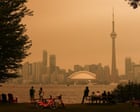
The smoke clears. The flames die out. People pack up their temporary bags and head back home. Everyone assumes the danger has passed just because the orange glow is gone from the night sky.
That is a dangerous mistake.
If you look closely at recent seasons across Europe and North America, you see a sobering reality. Wildfires don't just vanish when the weather cools down. They leave ecological and physical scars that stick around for years.
I've watched recovery efforts stall out repeatedly because communities treat wildfires like a bad storm instead of a long-term chronic illness for the landscape. When millions of acres burn down to ash, the system breaks. Soil repels water. Roots vanish. Slopes slide into rivers the moment a heavy autumn rain hits.
You need to understand why these burns cast such a long shadow.
The Underground Damage Nobody Sees
The most destructive part of a wildfire happens out of sight.
When extreme heat bakes the earth, it changes the soil chemistry completely. Organic matter burns away. Beneficial microbes that help plants absorb nutrients get wiped out. Worse yet, the fire bakes natural waxes and resins out of vegetation, coating soil particles in a water-repellent shell.
Hydrophobic soil is a disaster waiting to happen. Instead of soaking up moisture like a sponge, the ground acts like concrete.
This creates a vicious cycle. When rain finally arrives, it rushes off the hillsides instead of sinking in. Flash floods roar through valleys that haven't seen flooding in a century. Mudslides carry away remaining topsoil, leaving behind bare rock where forests used to thrive.
Researchers studying massive burns in western North America and parts of southern Europe found that this soil dysfunction can persist for five to ten years. You can't just plant a few saplings and walk away. The dirt itself is broken.
Smoke in the Atmosphere and Water Supplies
The immediate health warnings about air quality usually focus on the week the fire is burning. Authorities tell you to stay indoors, shut your windows, and wear an N95 mask.
Then the wind shifts and people forget.
Honestly, that approach ignores how pollutants cycle through the environment. Ash and heavy metals settle into watersheds. When heavy rains wash that ash into local reservoirs, water treatment facilities face sudden spikes in turbidity and organic carbon. Treating that water gets drastically more expensive and complicated. Cities downstream deal with the chemical fallout long after the evacuation orders lift.
Furthermore, scorched tree trunks and root systems continue to release carbon dioxide and particulates into the atmosphere through slow smoldering and wind erosion. The air quality index might drop below hazardous levels, but a baseline background pollution lingers in fire-affected regions.
Why Traditional Recovery Plans Fail
Governments love quick fixes. They approve logging projects to clear out dead timber or rush out to drop grass seed from helicopters.
Most of these tactics backfire.
Clearing out every burnt tree strips the landscape of remaining structure that shade new growth and prevent wind erosion. Non-native grass seeds often outcompete native flora, creating a monoculture that burns even faster the next time a spark lands.
Effective recovery requires patience and a hands-off approach in many places. Nature knows how to regenerate if you give it space. Pushing too hard with heavy machinery compacts the damaged soil even further.
If you live in or near a fire-prone zone, you have to adjust your timeline for risk mitigation. Defensible space isn't a one-time weekend project. It requires year-round maintenance, especially during the decade following a nearby burn. Clear gutters, check your drainage paths, and monitor local watershed reports. The aftermath demands as much vigilance as the fire itself.


