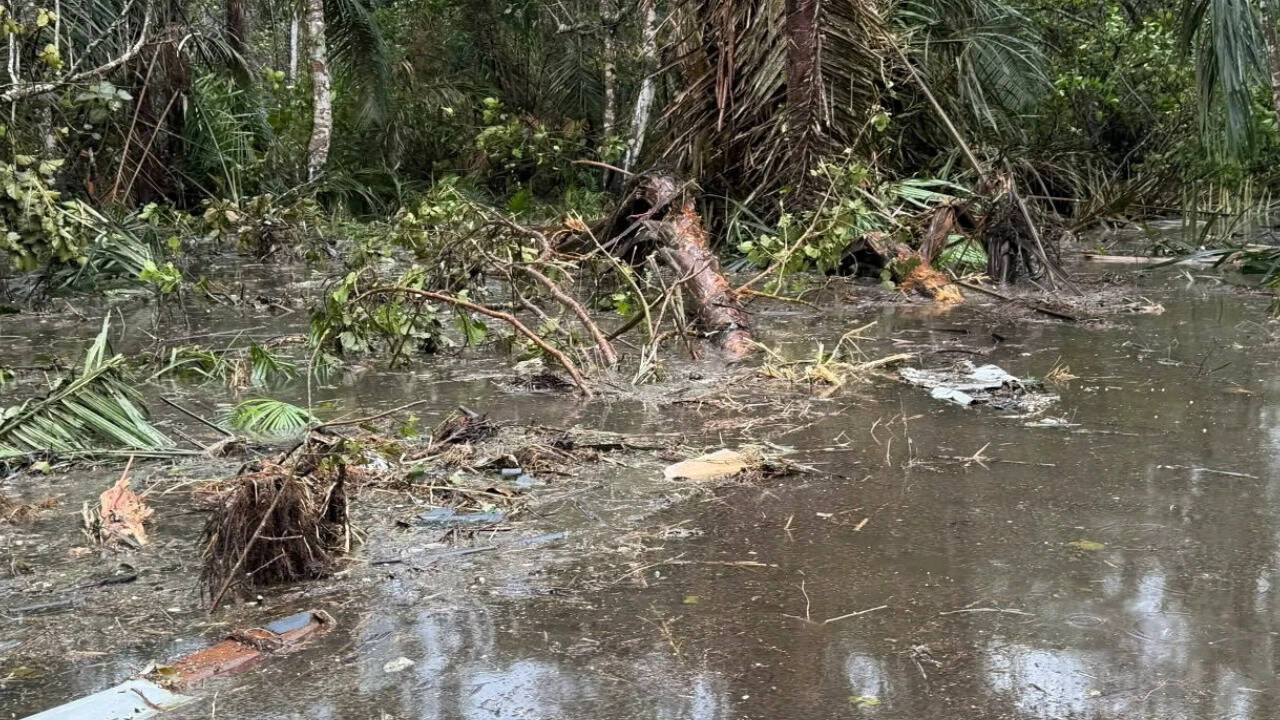
The recovery of 219 box turtles near a New Jersey river represents more than an isolated instance of animal cruelty. It serves as a diagnostic indicator of systemic structural failures within the exotic pet trade, municipal regulatory enforcement, and wildlife rehabilitation economics. When illegal or overwhelmed animal collections are dumped en masse, they expose predictable feedback loops between consumer demand, regulatory enforcement gaps, and ecological fragility.
The Structural Drivers of Mass Abandonment
The accumulation of hundreds of captive reptiles in a localized riparian zone is the logical outcome of a specific economic model. The exotic pet trade operates on low initial acquisition costs paired with high cumulative maintenance costs and long animal lifespans. Box turtles, specifically species like the Eastern box turtle (Terrapene carolina carolina) or imported equivalents, present a deceptive value proposition.
[Low Acquisition Cost] ---> [Rising Maintenance Complexity] ---> [Lifespan Mismatch] ---> [Surrender/Abandonment Bottleneck]
- The Cost Function of Captive Care: While juvenile specimens are inexpensive to purchase, the long-term expenditure required for appropriate enclosure, ultraviolet lighting, heat gradients, and veterinary care scales exponentially over the animal's decades-long lifespan.
- Regulatory Asymmetry: Permitting laws governing the possession, breeding, and interstate transport of native versus non-native reptiles vary drastically by jurisdiction. This regulatory patchwork creates legal arbitrage opportunities for illegal dealers and collectors, allowing them to accumulate inventory without oversight.
- The Sunk Cost Surrender Deficit: When private owners or unlicensed breeders reach capacity, legal surrender options are severely constrained. Accredited rescues operate at maximum capacity with fixed donor-funded budgets. This creates a structural bottleneck where the marginal cost of legal surrender exceeds the perceived risk of illegal release.
Ecological and Pathological Cascades
Releasing captive animals into wild ecosystems introduces severe cascading risks that standard news coverage frequently glosses over. The introduction of 219 stressed individuals into a single watershed is not a repatriation; it is an ecological shock.
- Pathogen Amplification: Captive environments foster high-density pathogen transmission, including upper respiratory tract disease (URTD), ranavirus, and herpesvirus. Reintroducing these vectors to wild populations bypasses natural epidemiological spacing.
- Genetic Pollution: Releasing captive-bred specimens or non-local subspecies into native habitats disrupts local genetic integrity through hybridization and introduces foreign adaptations that are maladaptive for wild survival.
- Resource Competition: Riparian zones possess finite carrying capacities for ectotherms. A sudden influx of hundreds of terrestrial turtles creates acute competition for macro-invertebrate prey, basking sites, and overwintering hibernacula.
The Enforcement and Operational Deficit
Municipal animal control agencies and state departments of environmental protection are fundamentally under-resourced to address large-scale wildlife abandonment. Enforcement relies almost entirely on reactive complaint models rather than proactive supply-chain auditing.
To mitigate these systemic failures, conservation agencies must shift from episodic rescue operations to preventative structural interventions.
- Mandatory Traceability: Implement microchipping and registry requirements for commercial reptile breeders and high-volume collectors to establish accountability from point-of-sale to mortality.
- Expanded Intake Subsidies: Redirect a fixed percentage of wildlife violation fine revenues directly into emergency quarantine and triage funds for municipal shelters, eliminating the financial barrier to legal surrender.
- Supply-Chain Auditing: Target online marketplace algorithms and classified platforms that facilitate unregulated, high-volume reptile transactions, shifting enforcement upstream toward the distribution nodes where mass hoarding originates.