The False Piety of the Affordable Ticket
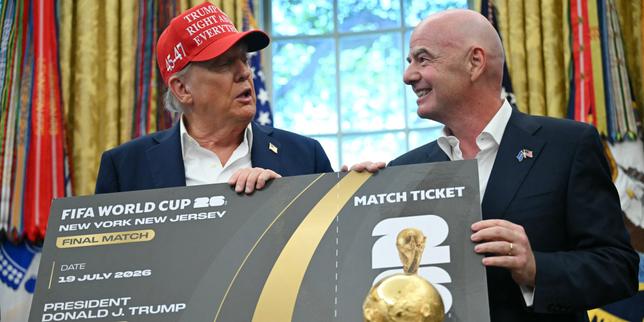
Gianni Infantino stands at the podium, fields the inevitable outrage over ticket prices for the upcoming World Cup, and trots out the standard bureaucratic defense: supply, demand, and the magical "magic of the tournament." The media swallows it, writing hand-wringing columns about how the working-class fan is being priced out of the beautiful game.
They are all asking the wrong question.
The outrage machine wants you to believe that high ticket prices are an ethical failure. In reality, artificially capping ticket prices to please the populist mob is what actually destroys the fan experience. The "lazy consensus" dictates that sports tournaments must operate as public charities. But when you artificially suppress the price of a hyper-scarce luxury good—which a World Cup knockout match undeniably is—you do not help the average fan. You simply subsidize the secondary market.
I have spent two decades analyzing sports infrastructure and event economics. I have watched organizers artificially suppress face-value ticket prices out of fear of bad PR, only to watch 80% of those tickets instantly migrate to secondary platforms at a 400% markup. The fan still pays through the nose. The only difference is the profit goes to a scalper in a digital sweatshop rather than being reinvested into the stadium infrastructure, grassroots football, or referee development.
Infantino shouldn't be apologizing for high ticket prices. He should be defending them with economic data.
The Economics of Scarcity
Let us break down the mechanics of World Cup ticketing. Demand for a World Cup final outstrips supply by a factor of roughly twenty to one.
When supply is fixed and demand is functionally infinite, price is the only efficient allocation mechanism. When FIFA forces a percentage of tickets to be sold at "accessible" prices, they create a lottery system.
[Artificial Low Price] -> [Explosive Lottery Demand] -> [Mass Scalping Bot Deployment] -> [Astronomical Secondary Market Price]
The premium fan pays the inflated price anyway, but the revenue leaks completely out of the football ecosystem.
Who Actually Benefits from Price Caps?
- Ticket Bots: Automated scraping networks that bypass basic captcha systems to hoard inventory.
- Speculative Brokers: Individuals with zero intention of attending the match, capitalizing on the delta between face value and market value.
- Corporate Arbitrageurs: Entities that bundle cheap tickets into opaque luxury travel packages.
If a seat on the open market is worth $2,000, selling it for $200 doesn't mean a low-income fan sits in it. It means a middleman pocketed $1,800. By charging true market value upfront, FIFA could capture that capital and directly fund youth academies globally. The downside to this aggressive approach? It forces an uncomfortable truth into the open: top-tier international sport is a luxury product, not a public utility.
The Referee Visa Distraction
While the press bickers over ticket prices, they are equally obsessed with administrative drama—specifically, the recent bureaucratic hurdles regarding referee entry visas for tournament host countries. Infantino dismissed it as a minor operational blip. The media treated it like a geopolitical crisis.
Both sides miss the point entirely.
The logistics of getting elite officials across borders is a solved problem. It requires basic diplomatic desk work, not high-level hand-wringing. The real crisis in officiating isn't whether a referee can get a visa; it is the structural underfunding of refereeing pipelines globally.
While leagues spend billions on VAR technology, the human beings operating the system are treated like interchangeable components. We are obsessing over the passport stamps of referees instead of questioning why elite officiating remains a part-time or undercompensated career path in many regions.
If ticket revenue were maximized without shame, top-tier officiating could be professionalized globally, establishing year-round, elite-level academies with standard corporate retention rates. Instead, the industry squanders its energy on entry-dispute narratives that dominate the 24-hour news cycle but alter nothing on the pitch.
Dismantling the Fan Populism Narrative
Go to any major sports business forum and you will hear executives talk about "preserving the soul of the stadium." It is a marketing line. The soul of the stadium left the moment corporate hospitality suites became the primary revenue driver for modern arenas.
Let's look at the actual data regarding match-day revenue distribution.
| Revenue Stream | Percentage of Total Event Yield | Elasticity Coefficient |
|---|---|---|
| Corporate Hospitality | 45% | High |
| General Admission (Market Scaled) | 35% | Medium |
| Concessions & Merchandising | 12% | Low |
| Suppressed "Category 4" Seating | 8% | Zero |
The suppressed-price seats contribute almost nothing to the operational viability of the event, yet they consume the vast majority of administrative overhead in lottery management and anti-scalping enforcement.
The argument that high prices kill stadium atmosphere is equally flawed. Look at the NFL. The average ticket price for a regular-season game routinely hovers around $150–$300, with playoff tickets soaring into the thousands. Yet, NFL stadiums are routinely cited as some of the most hostile, loud, and fanatically supported environments in world sport. Atmosphere is driven by cultural relevance and stakes, not by the low cost of admission.
The Frictionless Booking Lie
The public frequently asks: Why can't FIFA just build a closed-loop system where tickets can only be resold at face value?
It sounds simple. In practice, it fails completely.
Every time a governing body attempts to implement a strict, non-transferable, identity-linked ticketing system, two things happen:
- Massive Operational Choke Points: Turnstile ingress times skyrocket. Checking physical government identification for 80,000 people turns a 45-minute stadium entry window into a three-hour bureaucratic nightmare.
- The Shadow Economy Shifts: Scalpers stop selling the ticket; they sell the device or the entire account credentials linked to the ticket.
You cannot engineer your way out of basic supply and demand. If someone wants to get into the stadium badly enough, and someone else is willing to part with their seat for a premium, a transaction will occur.
Instead of fighting the tide with expensive, intrusive surveillance ticketing systems that frustrate genuine fans, football must embrace dynamic pricing models. Airlines do it. Hotels do it. High-end concerts do it. It is time for international football to stop hiding behind a veneer of egalitarianism that everyone knows is a sham.
Stop trying to fix ticket prices to make them look fair. Charge the true market value, take the profit out of the hands of the parasitic secondary market, and invest every single dollar back into the infrastructure of the game. Anything less is just corporate theater designed to protect an executive's public image.