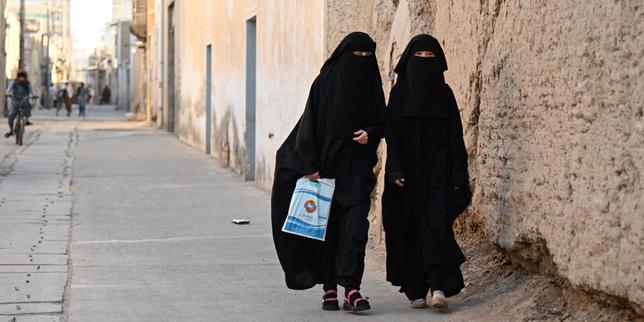
The world has chosen to look away from Afghanistan, and the cost of that apathy is paid daily by millions of women and girls. When the United Nations High Commissioner for Human Rights, Volker Türk, recently condemned a "deafening silence" from the international community, he wasn't just using dramatic diplomatic language. He was calling out a global moral failure.
Since the Taliban seized control in August 2021, the rollout of repressive decrees has been systematic, calculated, and relentless. Yet, geopolitical fatigue has set in. Headlines shift, foreign policy priorities move elsewhere, and the ongoing erasure of an entire demographic gets treated as background noise.
The Anatomy of Gender Apartheid
What is happening inside Afghanistan right now goes far beyond ordinary discrimination. Human rights experts increasingly label the systemic crushing of female autonomy as gender apartheid. Around 2.4 million young Afghan women and girls remain locked out of secondary education. They cannot step into a high school classroom, walk through a public park, or work in most sectors without running afoul of strict laws enforced by the Ministry for the Propagation of Virtue and the Prevention of Vice.
Recent decrees have tightened the noose even further. New restrictions make it harder for women to file for divorce, while implicitly validating child marriage and domestic violence. Hundreds of individuals face public corporal punishment. Religious minorities like the Shia and Ismaili communities face continuous targeting, and independent journalism has been suffocated by heavy censorship.
You don't hear much about this on nightly news broadcasts anymore. Governments prefer quiet backroom pragmatism over loud confrontations with de facto rulers. But normalizing relations or looking the other way doesn't bring stability. It just institutionalizes abuse.
A Catastrophic Humanitarian Freefall
Human rights abuses do not happen in a vacuum. They compound an already staggering economic collapse. Current UN estimates show that roughly 21.9 million people—about 45 percent of the population—urgently require humanitarian assistance.
Millions face severe food insecurity, acute malnutrition, and a lack of clean drinking water. Economic isolation, cash shortages, and widespread job losses have crippled household survival. When families have nothing left, women and girls absorb the heaviest blow.
Worse still, hundreds of thousands of refugees are being forcibly returned from neighboring countries like Iran and Pakistan. Stripped of safety, exhausted, and often arriving with zero resources, these returnees face a hostile environment where humanitarian aid distribution is tightly monitored and restricted.
Why Global Inaction Backfires
Some foreign policy strategists argue that engaging quietly with the authorities in Kabul is the only realistic path left. They think pressure doesn't work, so accommodation is the next best option. That logic is fundamentally flawed.
When international bodies water down their language or drop human rights conditions in exchange for minimal access, they hand the regime a massive PR victory. Silence is interpreted as consent. Every time a major power looks past institutionalized misogyny for the sake of regional trade or security management, it signals that fundamental human rights are negotiable.
They aren't negotiable. If half of a nation's population is barred from learning, working, or speaking, that nation cannot sustainably recover.
Breaking this cycle starts with refusing to let the Afghan population become invisible. Support local grassroots organizations that keep clandestine schools open. Fund women-led networks operating inside the country’s 34 provinces. Demand that national governments halt forced deportations of vulnerable refugees back into danger. Keep the spotlight on a crisis that powerful actors would rather sweep under the rug.


