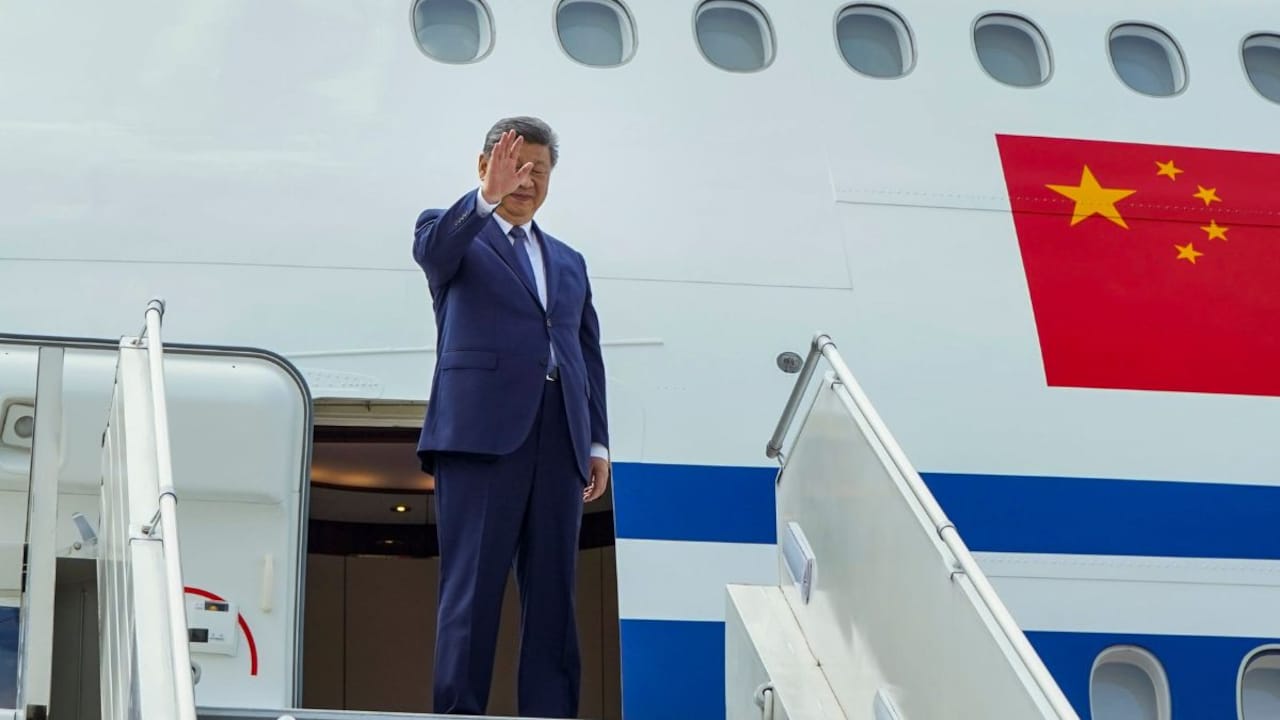
When Xi Jinping stands at a BRICS summit and decries the arrogant logic of might makes right, Western media dutifully writes up the speech as a masterclass in multilateral diplomacy. Analysts nod along, marveling at Beijing’s sudden conversion into a defender of the global underdog. It is a comforting narrative. It is also entirely detached from reality.
I have watched diplomats nod through these talking points in closed-door policy roundtables while their sovereign debt portfolios quietly get restructured in back rooms. The lazy consensus is that Beijing is building an alternative, egalitarian order to rescue the Global South from Western hegemony. That misses the entire mechanism of modern statecraft. China is not rejecting the logic of raw power; it is simply automating it through infrastructure loans, currency swaps, and supply chain choke points.
Let us look past the rhetoric of mutual respect and examine the mechanics.
The Sovereignty Myth and the Zero Sum Balance Sheet
The core fallacy of the standard BRICS analysis is treating the bloc as an ideological brotherhood rather than a transactional convenience. When Beijing preaches non-interference, observers take it at face value. They assume respect for sovereignty means freedom from coercion.
That is wrong. Sovereignty in the twenty-first century is not protected by speeches about multipolarity. It is bartered away in port concessions and resource extraction agreements.
Consider how structural dependency actually works. A developing nation takes a multi-billion-dollar development loan denominated in foreign currency. When the commodity cycle dips and the debt-service ratio spikes, the creditor does not send gunboats. That is nineteenth-century amateur hour. Instead, the creditor renegotiates the terms with sovereign assets as collateral. You keep your flag flying over the presidential palace, but the logistics hub down the coast belongs to a state-owned enterprise for ninety
Why Xi Jinping is Actually Right About Might Makes Right
news
Western media spent the week choking on its own irony. When Xi Jinping took the podium at the BRICS summit to denounce "might-makes-right" logic and roll out five shiny new geopolitical initiatives, editorial boards from London to New York rushed to dust off their favorite adjectives. Hypocrisy, they called it. Empty rhetoric. A cynical smokescreen from a rising hegemon currently squeezing its neighbors.
They missed the point entirely.
Xi is right. And that is precisely why you should panic.
When a superpower starts railing against brute force, it is never because power no longer matters. It is because the rules of the game have changed, and the old brute force is losing its monopoly. For three decades, Washington and its allies ran global commerce and security like a private country club with bouncers at the door. If you possessed the aircraft carriers and the SWIFT code, might-makes-right was the default operating system. You wrote the sanctions, you froze the assets, and you called it a rules-based order.
What Xi did at BRICS was not a moral awakening. It was a hostile takeover bid for the dictionary.
Let us look at the lazy consensus plastered across every mainstream wire service this week. The narrative says Beijing is assembling an anti-Western coalition of disgruntled autocrats, cobbling together alternative financial plumbing out of sheer spite, and pitching a multipolar dream that collapses the second a real crisis hits. That is comforting fiction. It allows western analysts to sleep at night believing that liberal democratic capitalism is the only game in town.
It is not.
I have spent years watching corporate boards and sovereign debt negotiators crash into the reality of shifting global liquidity. When a nation realizes its foreign exchange reserves can be erased by executive order in Washington because of a geopolitical disagreement, the calculus shifts instantly. That is not a might-makes-right world in the old gunboat-diplomacy sense; it is a financial cage match where the referee owns the stadium.
When Xi rolls out initiatives focused on security indivisibility, digital currency corridors, and supply chain insulation, he is not building a utopia. He is building an exit ramp.
Let us dismantle the five initiatives without the usual geopolitical cheerleading or partisan sneering.
First, look at the architecture of alternative settlement mechanisms. Western commentators love to mock de-dollarization efforts, pointing out that the greenback still dominates global trade invoicing. They are measuring yesterday's weather while a category-five storm forms offshore. No one is waking up tomorrow and abandoning the dollar. But sovereign wealth funds across the Global South are quietly diversifying their balance sheets into bilateral currency swaps, digital yuan settlements, and commodity-backed trade tokens. When trade can clear without touching a single American bank, the economic gravity well shifts. The sanction loses its teeth.
Second, examine the security rhetoric. Denouncing power politics sounds rich coming from a government aggressively patrolling the South China Sea. But scale matters. From the perspective of a developing economy in Africa or Latin America, western interventionism historically arrived wrapped in structural adjustment loans that privatized water supplies and gutted health budgets, backed by the threat of military regime change. Beijing’s pitch is starkly different: non-interference paired with cash on the barrelhead. No lectures on human rights, no conditional democracy metrics, just steel rails, ports, and debt restructuring agreements.
Is it predatory? Absolutely. Debt-trap diplomacy is real, and I have seen mid-sized developing nations sign away strategic assets because their finance ministers lacked the institutional depth to audit a Chinese infrastructure loan. But here is the brutal truth the West refuses to swallow: predation with a highway is often preferred over predation with a lecture. At least you get a port out of the deal.
The lazy consensus assumes that countries choose alliances based on shared values. That is a luxury of the wealthy. Poor and middle-income nations choose based on who will buy their commodities, fund their power grids, and keep their regimes solvent without demanding domestic political suicide.
This brings us to the core contradiction in how the West covers BRICS. Mainstream coverage treats these summits like talking shops where authoritarian leaders exchange pleasantries and sign toothless communiques. That is wishful thinking. BRICS has expanded. It now includes energy heavyweights who control a staggering share of global oil production alongside manufacturing powerhouses that dominate the green transition supply chain.
When this bloc talks about rewriting global governance, they are not staging a theatrical performance for domestic propaganda. They are institutionalizing parallel tracks. They are creating development banks that do not require approval from Washington-dominated boards. They are testing cross-border digital currency systems that bypass Western messaging networks. They are constructing a parallel economic universe.
If you want to understand where global markets are heading over the next decade, stop listening to the moral outrage of diplomats and start watching the capital flows of multinational corporations. Executives do not care who holds the moral high ground when deciding where to build a semiconductor plant or source rare earth elements. They care about resilience, redundancy, and access.
The real danger of Xi’s speech is not that his vision of multilateralism is pure or fair. It is that it offers a functional alternative to a system that has spent the last twenty years weaponizing its own economic supremacy. When the incumbent superpower starts losing moral authority and economic leverage simultaneously, complaining about hypocrisy is not a strategy. It is a coping mechanism.
The rules-based international order was never about rules. It was about who wrote them. Now, a new group of architects is drafting a different set of blueprints in plain sight, while everyone else argues over the semantics of a speech in a conference hall.