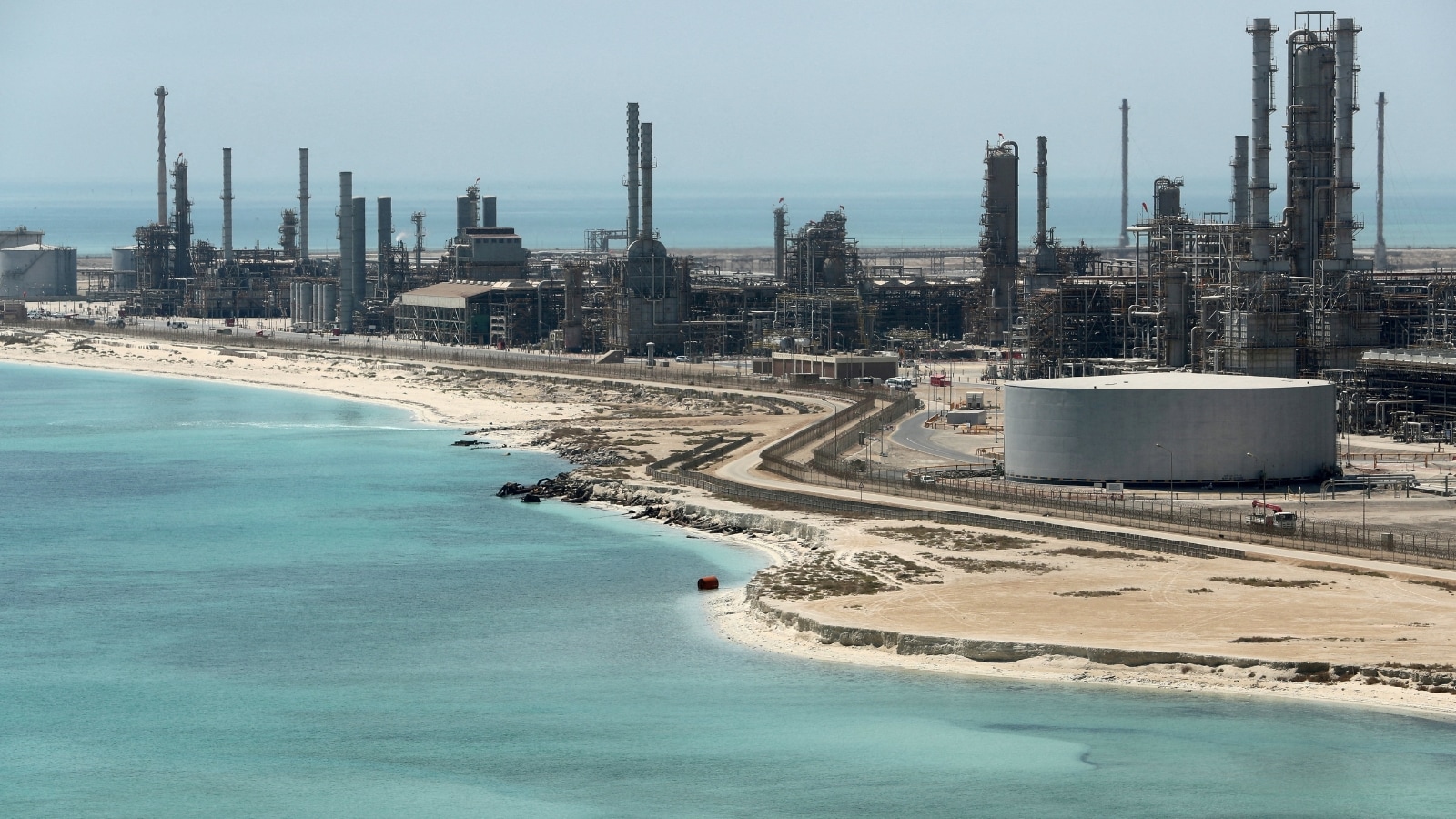
Every shipping analyst with a keyboard and a subscription to maritime tracking data is currently having a panic attack over Yanbu. The narrative being pumped through terminal screens is simple, sensational, and completely wrong. Tankers are avoiding traditional chokepoints, slipping off radar grids by turning off their transponders, and parking their hulls at Saudi Arabia's Red Sea port of Yanbu. The lazy consensus calls this a masterclass in sanctions evasion, a shadow fleet triumph outsmarting Western regulators.
It is nothing of the sort.
I have watched logistics desks panic over phantom metrics for two decades. I have seen firms burn millions chasing phantom ghosts in maritime databases while missing the structural plumbing right in front of them. What is happening at Yanbu right now is not a clandestine rebellion against global oversight. It is a predictable, highly visible operational bottleneck disguised as a spy thriller.
The Myth of the Dark Fleet Magic Trick
Let us clear up the core misconception immediately. Going "dark" by disabling an Automatic Identification System (AIS) transponder does not render a vessel invisible. It renders it an insurance liability and a regulatory neon sign.
The media loves to frame transponder manipulation as a sophisticated cloak-and-device routine. In reality, modern satellite reconnaissance, synthetic aperture radar, and thermal imaging make a loaded Very Large Crude Carrier about as stealthy as a neon-lit cruise ship in a dark alley. Naval intelligence agencies, maritime insurers, and port authorities do not lose track of a two-million-barrel vessel just because someone flips a switch on the bridge.
When a tanker goes dark off the coast or slips into a Red Sea corridor with its signal suppressed, it is rarely executing a master spy maneuver. More often than not, it is playing a tedious game of compliance theater. Shipowners manage corporate exposure, dodge secondary sanctions paperwork, or hide commercial charter details from prying competitor eyes. But treating Yanbu's traffic spike as proof of a thriving, untraceable parallel economy ignores basic market mechanics.
Follow the Real Flow Not the Blips
To understand why traffic is congregating at Yanbu, you have to look past the dramatic headlines about dark vessels and examine the physical geography of oil logistics.
Yanbu sits at the terminus of the East-West Petroline, a massive pipeline system carrying crude across the Arabian Peninsula directly to the Red Sea. When geopolitical tensions spike around traditional maritime routes, refiners and traders look for ways to bypass potential bottlenecks. Moving oil through Saudi Arabia's interior pipeline and loading it onto tankers on the Red Sea side is a logical geographic arbitrage.
It has nothing to do with clandestine maritime subversion. It has everything to do with reducing transit time and avoiding insurance premiums in contested waters further south.
Yet, the market commentary insists on romanticizing this shift. Analysts look at the bump in Yanbu arrivals, cross-reference it with AIS blackout zones in the broader region, and conclude that a brand-new shadow architecture has replaced the traditional maritime order. This is lazy thinking. It mistakes temporary routing adjustments for permanent structural transformation.
The Cost of Compliance Theater
Let us talk about the operational reality of running ships with disabled or intermittent transponders. I have spoken with marine underwriters who spend their entire weeks sorting through the fallout of this exact behavior.
The dirty secret of the dark fleet narrative is that operating without reliable tracking is expensive, dangerous, and legally precarious. Insurance costs skyrocket. Port entry clearance times triple because harbor masters demand manual verification of vessel specifications, structural integrity, and ownership chains. Crew fatigue multiplies because navigation watches must rely on old-school visual scanning and primitive radar sweeps in congested lanes.
No sane shipowner wants to operate this way permanently. It is a friction-heavy workaround born of regulatory panic. When analysts frame this as a sustainable business model, they demonstrate a profound misunderstanding of maritime economics. Friction destroys margin. Every hour a tanker spends dawdling off Yanbu waiting for manual clearance or hiding its coordinates is an hour capital is sitting dead in the water.
Why the Counter-Intuitive Play Wins
If you want to make money in shipping logistics or energy trading right now, stop betting on the permanence of these workaround routes. The conventional advice tells you to invest in shadow-fleet logistics networks or position assets around alternative chokepoints like you are playing a game of global risk.
That is a sucker's bet.
The smart money is looking at the reversion to the mean. Supply chains always find the path of least ultimate resistance, and opacity is ultimately a high-cost strategy. The moment geopolitical risk premiums drop or regulatory enforcement shifts, these dark operations will become too expensive to justify.
Yanbu is a pressure valve, not a new capital. It is absorbing the overflow of a stressed system trying to find a momentary workaround. Treat it as a structural symptom of a temporary fever, and you will stay solvent. Treat it as the dawn of a new unregulated shipping empire, and the market will clean your clock.
The data does not lie. The physical constraints of moving crude cannot be wished away by turning off a box on the bridge.
Watch the pipelines, track the actual refinery demand, and ignore the ghost ships.