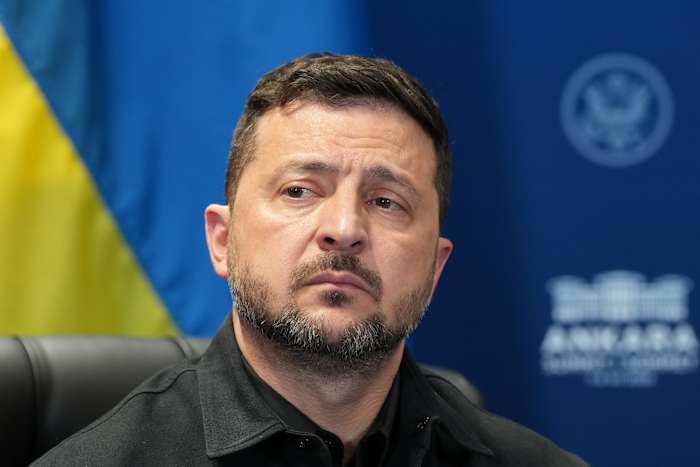
Wartime unity is hard to keep intact when egos and strategies collide. Ukrainian President Volodymyr Zelenskyy finally broke his silence on the messy dismissal of former Defense Minister Mykhailo Fedorov, and his explanation reveals deep friction at the top of Kyiv's wartime command.
If you thought the fallout was just standard political maneuvering, think again. The split exposes a massive structural clash between old-school military hierarchy and rapid technological innovation. For a closer look into this area, we suggest: this related article.
What Went Wrong Behind Closed Doors
Fedorov earned massive praise for modernizing Ukraine's armed forces and accelerating drone warfare. But capability doesn't automatically equal cooperation. Zelenskyy pointed out that some of Fedorov's actions after his exit—including jumping into mass protests and demanding elections—crossed a line.
The friction wasn't just about political ambition. It stemmed from a toxic operational breakdown between Fedorov and the military establishment. When technological upstarts clash with traditional generals over how to fight a war of attrition, something has to give. Unfortunately for Ukraine, it resulted in a high-profile ouster that shocked Western allies and fractured domestic solidarity. For additional context on this issue, detailed coverage is available on The Washington Post.
The Starlink Miscommunication Blunder
Zelenskyy also pulled back the curtain on an awkward diplomatic disaster involving the White House. According to the president, the Ministry of Defense fed his office inaccurate information regarding satellite coverage.
Zelenskyy went into a meeting with U.S. President Donald Trump believing that SpaceX had greenlit Ukraine's use of Starlink for deep-strike operations inside Russian territory. It turned out to be completely false. Elon Musk viewed the alleged plan as an unacceptably dangerous escalation.
Trump later accused Zelenskyy of trying to deceive him. Zelenskyy had to backtrack, realizing his own defense ministry had left him hanging out to dry. While the president stopped short of calling Fedorov a liar, he made it clear that operational incompetence at that level completely destroyed trust.
The Cost of Internal Division
Ukraine is currently facing a staggering $27 billion defense budget shortfall, shrinking deliveries of Patriot air-defense interceptors, and relentless Russian ballistic strikes. Squabbling over public optics and political futures is a luxury Kyiv cannot afford.
Zelenskyy claimed he offered Fedorov four different government roles after the dismissal, all of which Fedorov flatly rejected. Now, protesters are labeling military leaders like former army chief Oleksandr Syrskyi as villains, prompting Zelenskyy to issue a sharp warning that public disrespect toward the armed forces has gone too far.
You can't win an existential war while tearing down the people holding the front line together. Rebuilding internal cohesion isn't optional now—it's the only path forward. Streamline defense procurement, cut out the administrative chaos, and keep the focus where it belongs.


