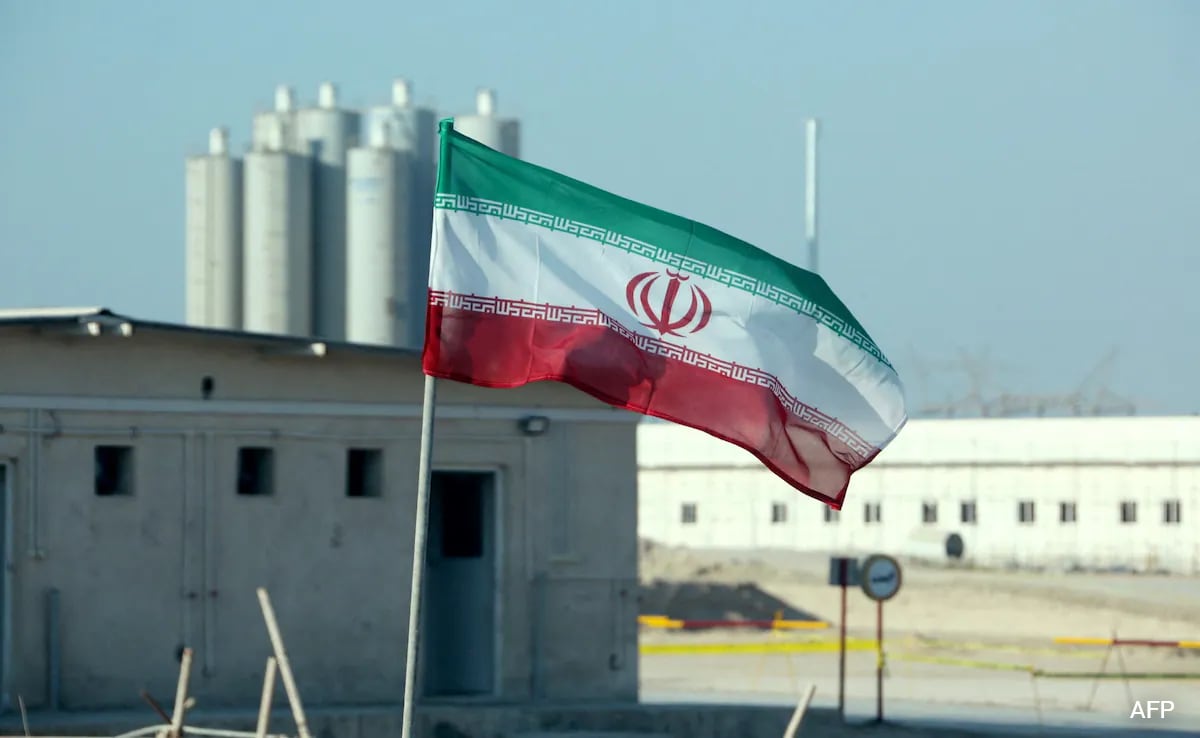
The Pentagon is moving pieces on the chessboard again. This time, it’s 3,000 soldiers from the 101st Airborne Division—the legendary "Screaming Eagles"—packing their gear for the Middle East. If you’ve followed military rotations over the last decade, this might feel like just another headline. It isn't. Sending a rapid-deployment brigade from Fort Campbell isn't a routine administrative shift. It’s a loud signal sent during a period of extreme regional volatility.
We’ve seen these cycles before. However, the current tension between Israel, Iran, and various regional proxies makes this specific deployment heavy with implication. The U.S. doesn't just toss elite light infantry into a vacuum. They’re going because the "gray zone" of conflict in the Middle East is turning a much darker shade of red. You might also find this related article useful: The $2 Billion Pause and the High Stakes of Silence.
The Screaming Eagles and the Strategy of Deterrence
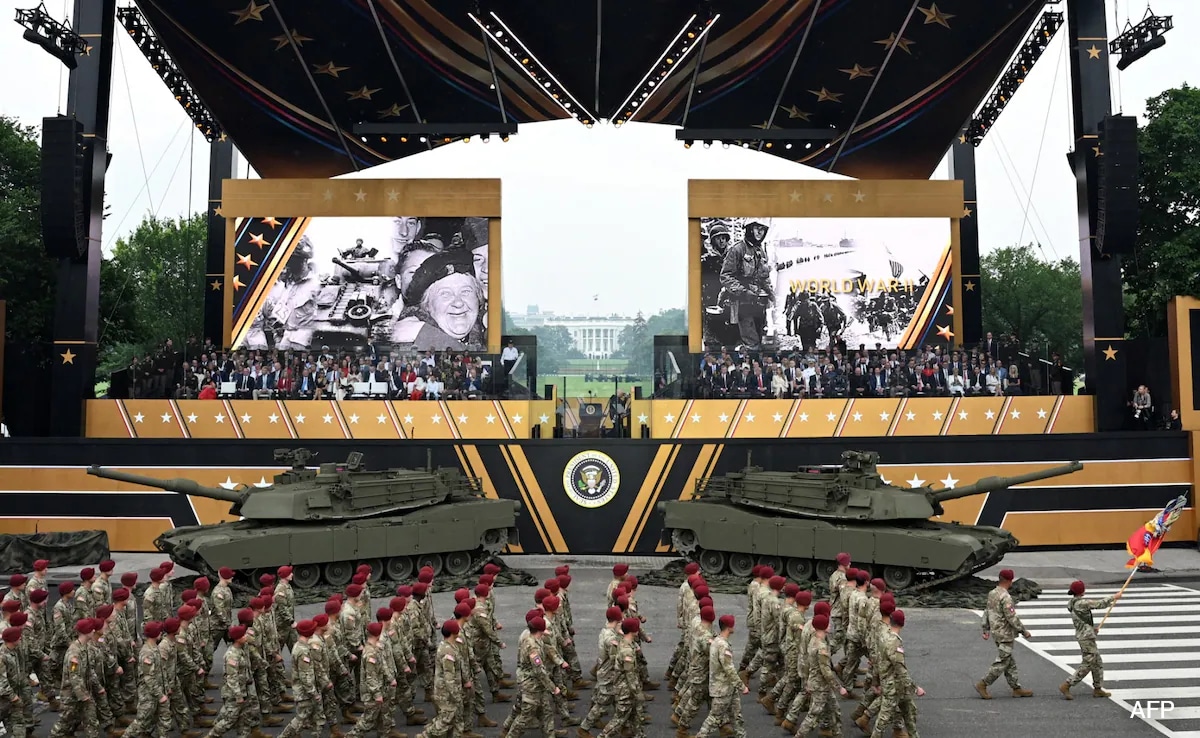
You don't send the 101st Airborne if you’re just looking for office clerks. These are soldiers trained for air assault operations. They move fast. They hit hard. By deploying an entire brigade, the U.S. is essentially telling every actor in the region that the capability to react to a crisis is now sitting in their backyard.
Most people assume these 3,000 troops are going in to start a fight. That’s usually not the case. In military theory, this is about "deterrence by presence." If you’re a militia commander thinking about hitting a U.S. base, you might think twice if you know a highly mobile, combat-ready brigade is less than an hour's flight away. It's about changing the math for the other guy. As extensively documented in recent reports by NBC News, the effects are significant.
The brigade replaces outgoing units, but the timing is what matters. We’re looking at a region where a single miscalculation at a border or a stray drone could ignite a multi-front war. Having fresh, elite boots on the ground gives the Central Command (CENTCOM) options. Without those boots, you’re left with only long-range missiles or diplomacy. Sometimes you need a human wall.
What This Means for Regional Stability
Let's be real about the "Middle East" as a destination. It's a massive area. Usually, these troops end up spread across locations like Kuwait, Jordan, or Iraq. Their job isn't necessarily to patrol streets. Often, it’s about securing logistics hubs and ensuring that if an evacuation of American citizens becomes necessary, the manpower is already there to handle it.
- Security for Key Assets: Protecting airfields and supply lines.
- Partner Support: Training and "stiffening" the resolve of local allies.
- Rapid Response: Being the 911 call for any embassy or outpost under pressure.
Critics will say this is just more "forever war" posturing. They have a point. We’ve spent trillions in this theater. But from a strategic standpoint, a complete vacuum is often more dangerous than a heavy footprint. When the U.S. pulls back too quickly, someone else always fills the gap. Usually, it's someone we like even less.
Why the 2nd Brigade Combat Team
The specific unit mentioned in reports is often the 2nd Brigade Combat Team "Strike." They have a history in the region that goes back decades. They know the terrain. They know the heat. More importantly, they’re "light," meaning they don't bring heavy tanks that take weeks to move. They bring helicopters, Humvees, and a lot of specialized infantry.
This mobility is key. In 2026, warfare is about who can relocate the fastest. If a situation breaks out in the Red Sea or near the Syrian border, these 3,000 soldiers can be repositioned while a heavier armored division would still be unchaining tanks from a cargo ship. It’s a specialized tool for a messy, unpredictable environment.
The Financial and Human Cost of Constant Rotations
Let’s talk about the families at Fort Campbell. For them, this isn't a geopolitical chess move. It’s a missed Christmas, a missed birth, or another year of living through FaceTime. The operational tempo for the U.S. Army hasn't actually slowed down, even if the news cycle has shifted to other things.
We’re asking the same small percentage of the population to keep heading back to the same deserts. It's expensive. It drains the readiness of the force. And yet, the Pentagon clearly feels the risk of not sending them outweighs the cost of the deployment. That should tell you everything you need to know about how worried the "building" is regarding the next six months in the Levant.
Preparing for the Long Haul
If you're wondering what comes next, watch the hardware. If we start seeing heavy armor or Patriot missile batteries following these 3,000 troops, then we’re moving from "deterrence" to "preparation for conflict." For now, it’s a precautionary surge.
Stay informed by checking official Department of Defense briefings rather than relying on social media rumors. If you have family in the 101st, ensure their powers of attorney and family care plans are updated before the wheels go up. This deployment is a reminder that while the U.S. wants to pivot to the Pacific, the Middle East has a way of pulling the world back in. The Screaming Eagles are just the latest to answer that call.