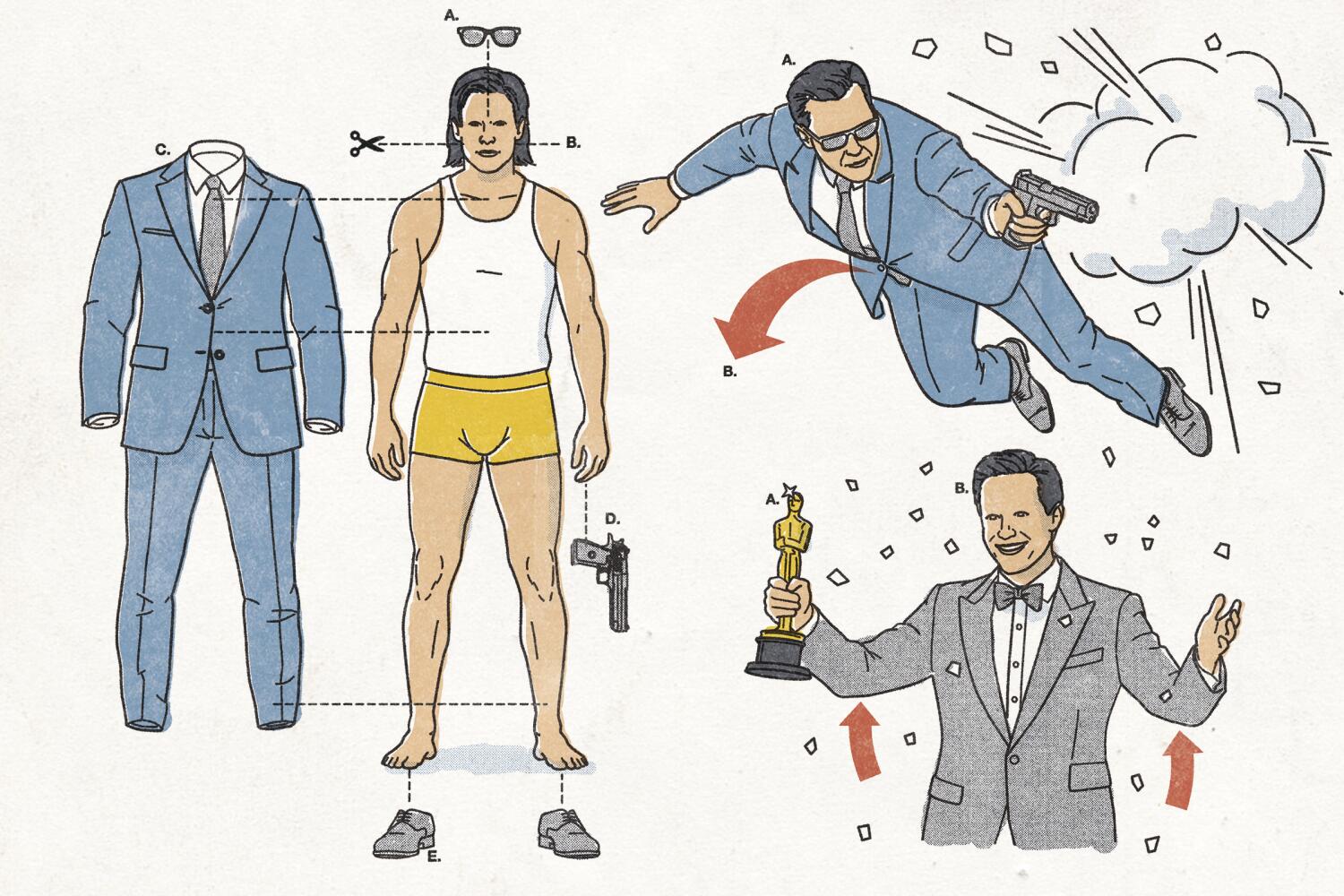
The Oscars finally pulled the trigger on a change that should’ve happened when color film was still a novelty. Starting in 2026, the Academy of Motion Picture Arts and Sciences will officially hand out an Oscar for Achievement in Casting. It’s about time. For years, we’ve watched trophies go to the people who dress the actors, light the actors, and cut the scenes the actors are in, yet the people responsible for finding those actors were left out in the cold.
If you think casting is just about picking the biggest star on a poster, you’re wrong. It’s the DNA of a film. A bad lead can sink a brilliant script, and a mismatched ensemble makes even the best direction feel clunky. Casting directors are the ultimate architects of "vibe." They see the spark in a newcomer and the untapped potential in a washed-up veteran.
I’ve talked to industry insiders and looked at how the heavy hitters like Sarah Halley Finn and Ellen Lewis actually work. They don't just look at headshots. They build worlds. This new category isn't just a shiny statue; it’s an admission that the "magic" of your favorite movie was meticulously engineered before a single camera rolled.
The Invisible Art of Chemistry
Most people assume casting is a simple matching game. You have a role for a "grumpy detective," so you find a guy who looks tired and carries a badge. Easy, right? It’s not. The real work happens in the spaces between people.
Take a look at the massive ensembles in films like Oppenheimer or Knives Out. The casting director has to ensure that twenty different personalities don't just exist in the same room but actually react to each other in a way that feels lived-in. If one person is playing a different "movie" than everyone else, the whole thing falls apart.
Top casting directors describe their process as a mix of intuition and extreme research. They spend months watching obscure plays, foreign indies, and even TikTok clips to find a specific energy. They aren't looking for "good actors"—there are thousands of those. They’re looking for the only actor who can ground the specific reality the director wants to create.
Why the Industry Fought This for So Long
You’d think a profession this vital would’ve been honored decades ago. The push for a casting Oscar has been a literal marathon. The Academy first started handing out Oscars in 1929, yet casting remained the only credit in the opening titles without a corresponding category.
The resistance usually came from a place of misunderstanding. Some older Academy members argued that "the director casts the movie," implying the casting director is just a glorified secretary who makes the phone calls. That’s nonsense. While a director like Quentin Tarantino or Martin Scorsese has a huge say, the casting director is the one who brings them the options they never would’ve thought of.
They’re the ones who fight for the "unconventional" choice. Think about Heath Ledger as the Joker. On paper, it sounded insane to fans at the time. But a casting mind saw the chaos Ledger could bring. That’s the "secret sauce." It’s the ability to see past a performer’s previous work and imagine them as something entirely new.
The Six Secrets to Success in the Casting Room
If you want to know how the best in the business actually land these roles, it comes down to a few core principles that apply whether you're casting a Marvel blockbuster or a $50k indie.
1. Forget the Script for a Second
Great casting directors often look for what isn't on the page. If a character is written as "angry," they might look for an actor who plays that anger with a terrifying stillness instead of screaming. They look for the subtext.
2. The Power of the "No"
Part of the job is telling a powerful director or a massive studio that their first choice is a mistake. It takes guts to say, "I know you want this A-lister for the box office, but they’ll ruin the tone of the ending." The best casting directors are guardians of the story's integrity.
3. Digging Through the Rough
The "secrets" often involve looking where nobody else is looking. This means scouting theater in London, comedy clubs in Chicago, or even high schools for a specific "first-timer" energy. They don't wait for agents to call them; they go hunting.
4. Psychological Evaluation
A casting director is part therapist. They have to read an actor’s nerves the second they walk into the room. They need to know if an actor is "directable" or if they’re going to be a nightmare on set. Technical skill matters, but temperament keeps a production on schedule.
5. Managing the Ego
Casting is a delicate dance of managing expectations. You’re dealing with agents, managers, nervous actors, and stressed directors. The secret is being the calmest person in the room while everyone else is losing their minds over a contract.
6. Watching Everything
There is no "off" switch. To be a top-tier casting director, you’re basically a professional spectator. You're watching every movie, every play, every commercial, and every streaming show. You’re building a mental database of thousands of faces and styles so that when a script lands on your desk, you already have a "shortlist" in your head.
What This Change Means for the Future of Film
Now that the Oscar is a reality, expect the power dynamic in Hollywood to shift slightly. Casting directors are going to have more leverage. This recognition validates their role as creative partners, not just "hired help."
For the audience, it means better movies. When casting is prioritized and celebrated, studios are more likely to take risks on unknown talent rather than defaulting to the same five actors for every role. We might finally see a return to the "character actor" era, where the right face matters more than the social media following.
It also changes how we talk about "great acting." We’ll start to see that a performance is a collaboration. It’s the actor’s talent, the director’s vision, and the casting director’s eye. Without all three, you don't get a masterpiece. You just get a movie.
How to Apply the Casting Mindset to Your Own Projects
You don't need a multi-million dollar budget to use these insights. If you're a creator, business owner, or leader, you're "casting" your team every day.
Stop looking at resumes (the "headshot") and start looking at the chemistry. Does this person fill a gap in your "ensemble"? Do they bring an energy that isn't already there? Most people hire for skill and fire for personality. The casting directors getting Oscars in 2026 do the opposite. They find the personality that makes the skill shine.
The next time you watch a movie, pay attention to the small roles. The person with three lines who makes you lean in. The neighbor who feels like a real human being instead of a prop. That’s the casting director at work. They’re the ones who make sure the world of the film doesn't end when the lead actor walks off-screen.
Start by looking at the projects you're working on right now. Audit the "cast" of people around you. If you’re missing a specific energy—maybe you have too many "leads" and not enough "supporting players"—fix it now. Don't wait for a trophy to tell you that the people you choose are the most important part of the job. Focus on the chemistry and the rest usually takes care of itself.