The current geopolitical architecture in the Middle East is transitioning from active kinetic conflict to a fragile period of managed containment, governed by the June 2026 Memorandum of Understanding (MOU) between the United States and Iran. To understand the viability of this arrangement, one must look past the rhetoric of "peace" and analyze the operational constraints of the parties involved. The durability of this agreement rests upon three distinct operational pillars: territorial disengagement, economic reintegration, and multi-front synchronization.
The Three Pillars of Regional Synchronization
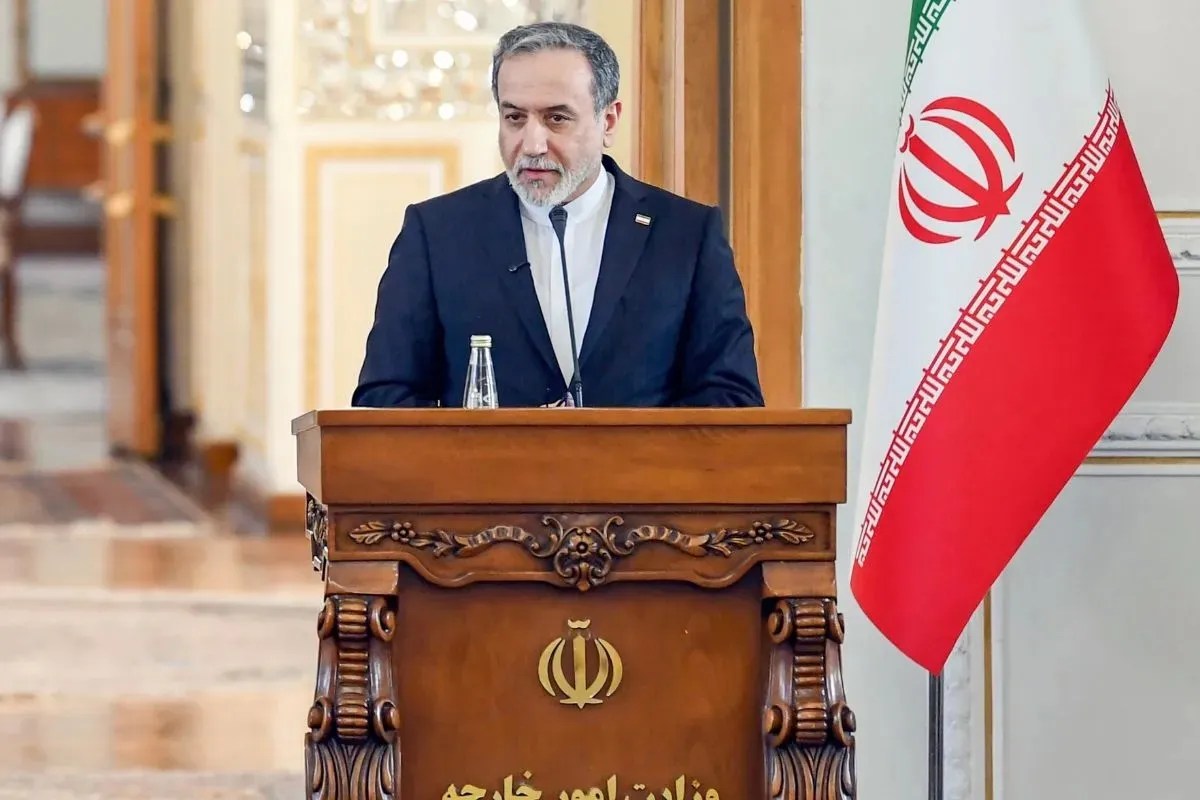
The recent strategic pivot, articulated by Iranian Foreign Minister Abbas Araghchi, defines the end of hostilities not as a temporary cessation but as an inseparable, multi-front termination of conflict. This creates a high-stakes verification framework.
- Territorial Disengagement: The core of the MOU hinges on the withdrawal of Israeli forces from occupied Lebanese territories. Iran has codified this as a binary condition: if the occupation persists, the MOU is technically violated. From an analytical perspective, this transforms any remaining "buffer zone" into a trigger point for immediate diplomatic or kinetic breakdown.
- Economic Reintegration: The relaxation of the blockade, specifically regarding oil and petrochemical exports, serves as the primary incentive for Iran’s adherence. The release of frozen assets and the initiation of development plans represent a shift from a "maximum pressure" model to an "incentivized compliance" framework.
- Multi-Front Synchronization: By linking the status of Hezbollah in Lebanon directly to the broader US-Iran bilateral agreement, Araghchi has effectively removed the possibility of localized peace treaties. Any military engagement by the "Zionist regime," as termed by Tehran, now carries the weight of a breach of the US-led memorandum, placing the onus of enforcement on Washington.
The Cost Function of Non-Compliance
The logic behind the current stability is a classic calculation of high-cost alternatives. The conflict that erupted in February 2026 proved that direct kinetic confrontation leads to outcomes where all actors face catastrophic infrastructure risks without clear military victory.
The transition from the initial inflammatory rhetoric—where Iranian officials asserted they would never request a ceasefire—to the signing of a formal MOU indicates a shift in the perceived cost of continued warfare. For the United States, the primary driver is the stabilization of regional oil flows and the prevention of further escalation that could draw in global powers. For Iran, the driver is the removal of the naval blockade and the prevention of domestic economic collapse.
Structural Constraints and Operational Risks
The fragility of the current arrangement is rooted in two fundamental vulnerabilities:
- The Problem of the Third-Party Actor: Israel is not a signatory to the memorandum. This creates a recurring risk where Israeli military actions within the buffer zone are viewed by Iran as violations of the US-Iran MOU, potentially forcing the United States to mediate a conflict over which it has limited tactical control.
- Verification Latency: The "deconfliction cell" established between the parties acts as the primary tool for real-time monitoring. The effectiveness of this cell determines whether minor skirmishes spiral back into full-scale conflict. If the cell fails to address a breach, the entire structure of the agreement reverts to a state of competitive instability.
Strategic Forecast
The current path forward is not one of trust, but of rigid contractual compliance. The stability of the region for the remainder of 2026 depends on the ability of Washington to enforce territorial concessions by Israel while simultaneously ensuring that Iran remains within the economic and military bounds defined by the MOU.
The primary indicator to monitor is the status of the Lebanese buffer zone. If the buffer zone is dismantled, the probability of regional de-escalation remains high. If the buffer zone is institutionalized by Israeli forces, the likelihood of a return to the February 2026 kinetic status is statistically inevitable, as Tehran has explicitly defined the continuation of such occupations as an existential violation of the current accord.
Operational leaders should prepare for a volatile, "managed" peace. The strategic imperative for all stakeholders remains the avoidance of direct, large-scale confrontation through the strict maintenance of the current territorial and economic firewalls established in the June memorandum.