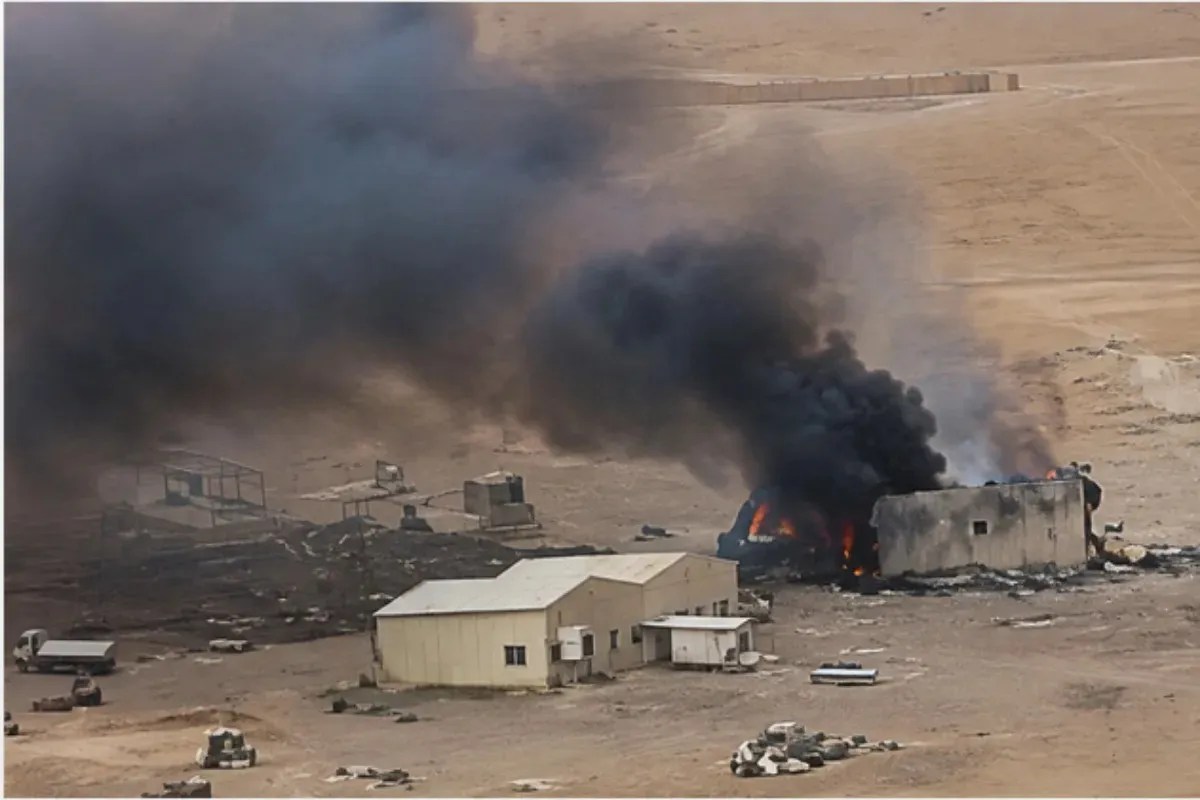
Control over a narrow strip of water can dictate the price you pay at the pump thousands of miles away. When fighting flares up around the Bab el-Mandeb Strait, international shipping companies immediately scramble, and energy markets react with severe volatility. The recent tactical shifts and clashes involving the Yemeni government forces, regional coalitions, and Houthi fighters underscore just how fragile security is in this vital maritime chokepoint.
The Geopolitical Weight of a Narrow Waterway
If you look at a map, the Bab el-Mandeb Strait looks insignificant—just a twenty-six-kilometer-wide passage separating the Arabian Peninsula from the Horn of Africa. Yet, it connects the Red Sea to the Gulf of Aden, serving as the essential highway for cargo moving from Asia to Europe via the Suez Canal.
When supply lines across this region face direct military action, commercial vessels cannot afford to take chances. Rerouting ships around the entire African continent adds weeks to transit times and drives up fuel and insurance costs drastically. Recent maneuvers by the Houthi movement to consolidate ground along Yemen's Red Sea coastline have placed direct pressure on these commercial routes, turning a localized civil conflict into a global economic headache.
Behind the Recent Military Reductions and Clashes
The tactical landscape shifted when Yemen's southern armed forces and aligned government units adjusted their positions, stepping back from specific areas near Dhubab and the outskirts of Taiz. While military commanders frame these redeployments as a necessary strategic step to protect southern provinces like Aden, the immediate result is an entrenched Houthi presence near the strait.
Anti-Houthi coalitions have previously attempted large-scale air and ground campaigns to push militant positions back from the coast, deploying substantial air support to disrupt logistics and supply lines. However, holding hostile terrain against entrenched insurgent networks proves exceptionally difficult. Houthi forces have capitalized on rugged topography and flexible supply chains to maintain their tactical advantage, leaving government forces struggling to mount a sustained counteroffensive.
The Domino Effect on Regional Energy Supply
The violence isn't contained to coastal skirmishes. Disruptions in Yemen regularly spill over into neighboring states, particularly targeting critical energy infrastructure in Saudi Arabia. Air defense systems and interception units frequently deal with incoming drones and ballistic missiles aimed at oil facilities and processing plants.
Because regional stability relies heavily on uninterrupted maritime trade, any escalation around Bab el-Mandeb amplifies risks for global oil shipments. Market analysts watch these developments closely because simultaneous pressures across multiple Middle Eastern shipping lanes can quickly strain petroleum delivery systems and push up crude prices worldwide.
Navigating the crisis requires looking past daily battlefield claims and focusing on the underlying logistics. As long as key coastal positions remain contested and supply lines stay vulnerable, international shipping will continue to bear the cost of this protracted war.