The luxury cruise industry is currently facing a reckoning that goes far beyond a single ship or a specific viral strain. When reports emerged of a suspected hantavirus outbreak on a high-end vessel, the narrative immediately shifted to "isolated incident" damage control. However, hantavirus—typically transmitted via rodent droppings and urine—is not a standard maritime illness. Its presence on a multi-billion dollar floating city suggests a catastrophic breakdown in integrated pest management and structural sanitation. While the industry attempts to frame these events as unavoidable acts of nature, the reality points to a systemic failure in how modern cruise ships are built, maintained, and inspected.
The Rodent in the Machine
A hantavirus outbreak on a cruise ship is an epidemiological anomaly. Unlike norovirus, which spreads through human-to-human contact or contaminated surfaces, hantavirus requires a specific vector: rodents. Specifically, it involves the aerosolization of dried waste from infected mice or rats. For a passenger to contract this in a cabin or a dining room, the infestation must be deep-seated within the ship’s internal "void spaces"—the miles of wiring conduits, HVAC ducts, and plumbing chases that remain hidden from public view. Don't forget to check out our recent coverage on this related article.
http://googleusercontent.com/image_content/177
This isn’t about a single mouse boarding a ship at a Caribbean port. It is about the environment provided for that rodent once it arrives. Modern mega-ships are designed with weight-saving materials and complex aesthetic facades that create thousands of inaccessible pockets. These spaces are warm, protected, and often near food sources. When a ship fails to maintain its "rat-proofing"—a maritime standard that has existed since the days of sail—the consequences are no longer just a nuisance. They are a biohazard. To read more about the context here, Travel + Leisure provides an informative breakdown.
Why Port Inspections Are Failing
The public relies on the Vessel Sanitation Program (VSP) conducted by the CDC to ensure safety. These inspections are rigorous, yet they are often predictable. Industry insiders know that a ship can be "prepped" for a scheduled inspection, hiding the deeper structural issues under a layer of bleach and fresh paint.
The core issue lies in the frequency and depth of these checks. A ship might score a 98 out of 100 on a Tuesday, only to have a dormant infestation in the galley’s sub-flooring trigger a health crisis on a Saturday. We are seeing a gap between regulatory compliance and actual biological security. The VSP focuses heavily on food temperatures and pool chlorine levels, but it rarely demands the opening of wall panels or the inspection of deep ventilation shafts where hantavirus-carrying vectors thrive.
The Logistics of Contamination
When a ship is in constant motion, moving from port to port every 12 to 24 hours, the logistics of deep cleaning are impossible. Crew members are often overworked, given only a few hours during "turnaround day" to sanitize thousands of rooms. This pressure creates a culture of surface-level cleanliness.
Bio-security requires time. It requires the ship to be taken out of service, the ventilation systems to be professionally scrubbed, and the structural integrity of food storage areas to be verified. In a business model built on 100% occupancy and zero downtime, those hours are viewed as lost revenue. The result is a gamble where the passenger's health is the stake.
The Ventilation Trap
One of the most terrifying aspects of a hantavirus suspicion is the role of the HVAC system. On a ship, you are breathing recycled air. If a rodent nest exists in a primary air handling unit, the virus doesn't stay in one room. It is pumped into the lungs of every passenger on that deck.
Standard HEPA filters are effective against many particulates, but they are not a silver bullet. If the filters are bypassed by leaks in the ductwork or if the maintenance schedule has been pushed back to save on operational costs, the ventilation system becomes a delivery mechanism for pathogens. Most passengers assume the "ocean breeze" they feel in their cabin is fresh air; in reality, it is a highly processed mixture that is only as clean as the darkest corner of the ship's engine room.
Economic Incentives vs Public Health
The cruise industry is currently carrying massive debt loads following the global shutdowns of the early 2020s. This financial pressure has led to a quiet but aggressive cutting of "back-of-house" expenses. Maintenance crews have been downsized. Pest control contracts have been renegotiated for lower frequencies. The materials used in recent retrofits are often cheaper and more porous, making them harder to truly disinfect.
The industry’s defense is usually centered on the "low probability" of such outbreaks. They point to the millions of passengers who sail every year without incident. This is a classic logical fallacy. In the context of a highly lethal virus like hantavirus—which has a significantly higher mortality rate than the common flu or norovirus—low probability does not equal acceptable risk.
The Hidden Cargo
Ships don't just carry people; they carry supplies. Thousands of pallets of food, linens, and equipment are loaded weekly. If a supplier’s warehouse has an infestation, the ship becomes the recipient.
The failure here is at the "point of entry." Most cruise lines do not have the staff or the technology to x-ray or chemically screen every pallet for biological traces before they are brought into the hull. Once an infected rodent is inside, the ship’s environment acts as an incubator. The constant vibration, the humidity, and the steady supply of food scraps create a paradise for pests that would struggle to survive in a dry, static building on land.
Legal Shields and Passenger Rights
When an outbreak occurs, passengers often find themselves in a legal vacuum. Most cruise tickets include "Contract of Carriage" clauses that severely limit the company’s liability for illness. They often require any lawsuits to be filed in specific jurisdictions—usually Florida or international maritime courts—making it prohibitively expensive for the average traveler to seek justice.
This legal shield allows companies to be reactive rather than proactive. If the cost of a settlement is lower than the cost of a fleet-wide structural overhaul, the overhaul will not happen. It is a cold, calculated business decision that prioritizes the balance sheet over the biological safety of the guest.
The Architecture of Secrecy
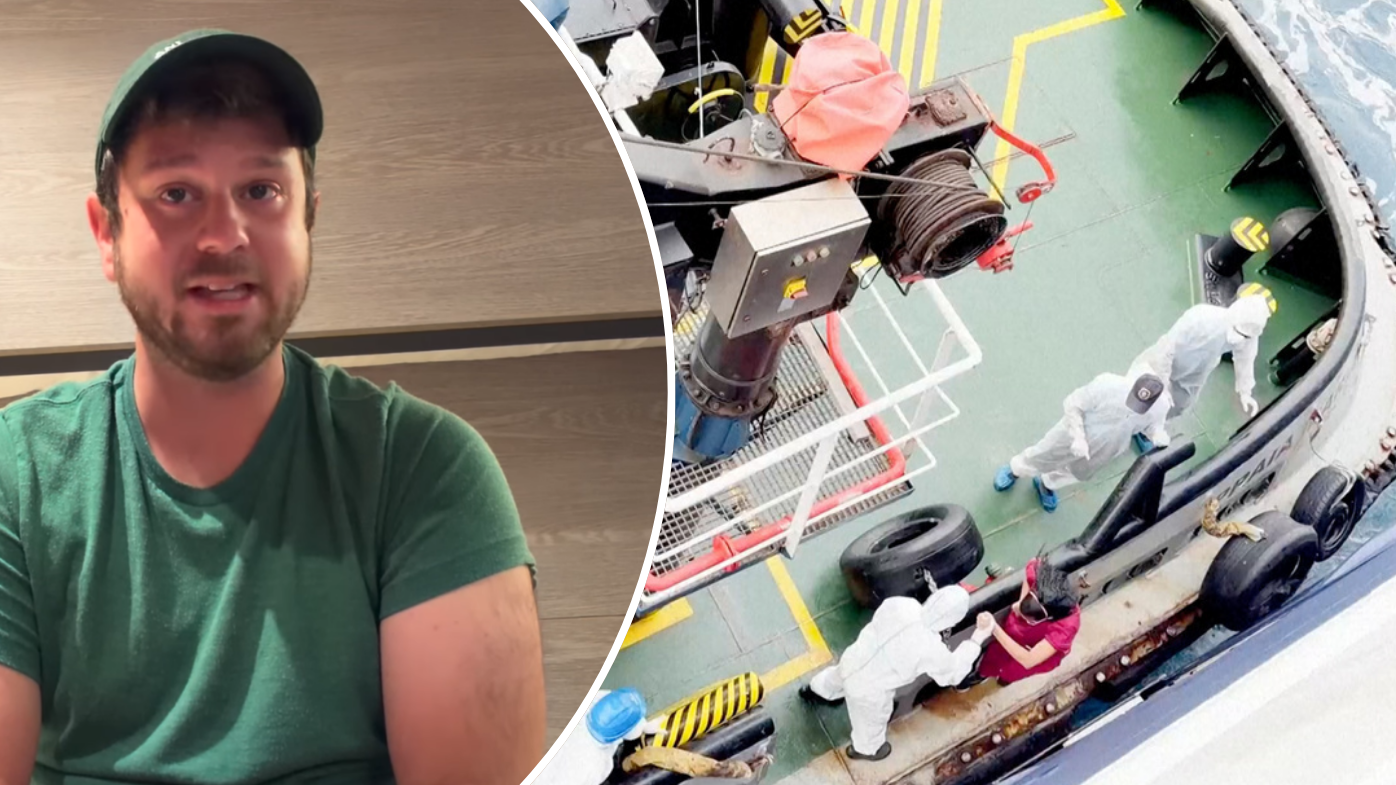
The "inside view" of a ship during an outbreak is often one of confusion and theater. Crew members in PPE (Personal Protective Equipment) are told to tell passengers they are doing "routine maintenance" or "extra deep cleaning for comfort." This lack of transparency is a deliberate tactic to prevent panic, but it also prevents passengers from taking necessary precautions, such as avoiding certain areas of the ship or seeking immediate medical attention at the first sign of a fever.
Medical facilities on board are another weak link. While they are equipped for basic trauma and common ailments, they are not high-level bio-containment labs. A ship's doctor might misdiagnose early hantavirus symptoms as a common cold or sea sickness. By the time the severity of the situation is realized, the ship is often days away from a port with a hospital capable of handling a pulmonary crisis.
Rebuilding the Standard
If the industry wants to survive the growing scrutiny of a more health-conscious public, the "scrub and sail" method must end.
Ships need to be built with biosecurity-first architecture. This means eliminating void spaces, using antimicrobial alloys in ventilation ducts, and installing automated rodent detection systems that use thermal imaging to find nests before they can spread disease. Inspections must become unannounced, high-tech audits that use DNA sequencing of dust samples to identify what is living in the walls.
Until these changes are mandated by international maritime law, every passenger boarding a ship is participating in a massive, uncontrolled experiment in high-density living. The luxury and the buffets are the distraction; the real story is what is happening behind the panels, in the vents, and in the dark corners of the deck where the bleach never reaches.
Stop looking at the gold-leafed railings and start asking to see the maintenance logs for the air scrubbers. Check the dates on the last structural pest audit. If the cruise line won't show you, they have already told you everything you need to know.