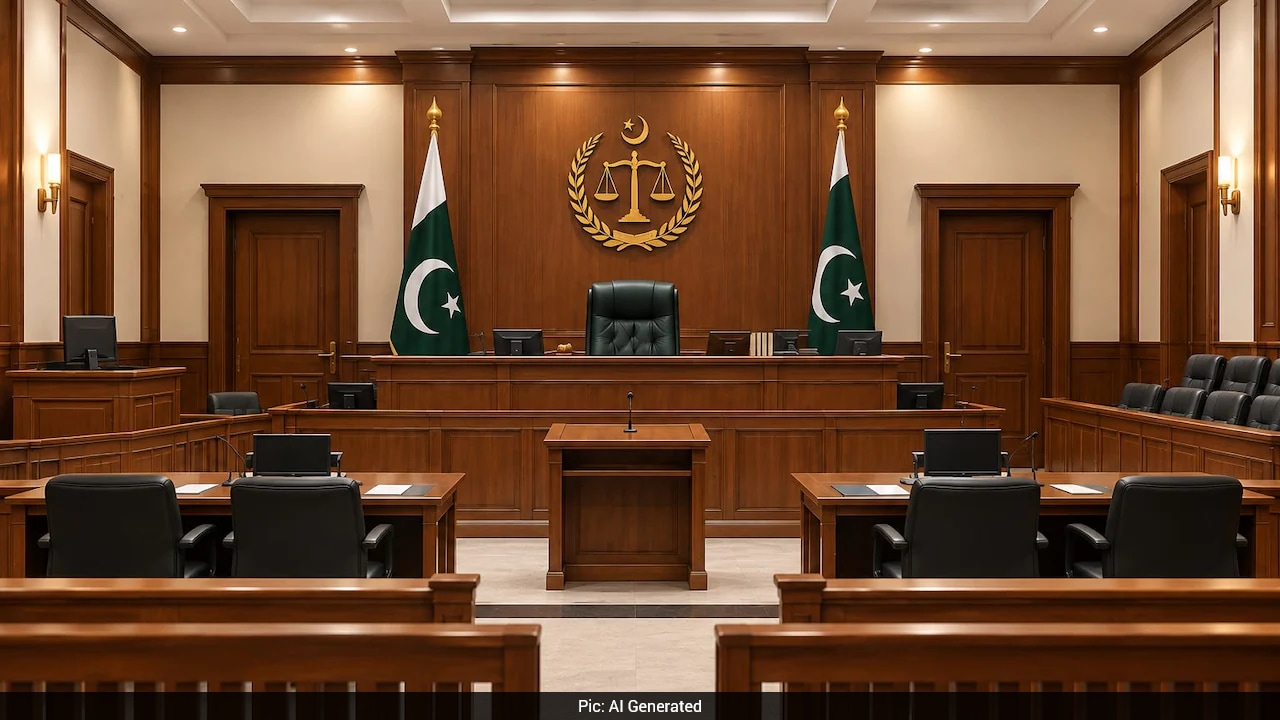
The headlines wept over a piece of furniture. In a Sindh High Court courtroom in Hyderabad, a lawyer named Sikander Bhatti looked at a bench that had kept a family land dispute judgment reserved for eleven months, snapped, and set his official seat on fire.
The mainstream consensus was predictable. Pouty editorials called it an outrage. Bar associations rushed to launch inquiries, clutching their pearls over decorum and respect for the rule of law. Legal pundits wailed about professionalism, decorum, and the sanctity of the judiciary.
They are missing the point entirely.
An eleven-month delay on a reserved judgment is not a procedural hiccup. It is structural violence. When the state institutionalizes stagnation, burning a chair is not an attack on justice; it is a literal, desperate illumination of a system that has already burned the lives of the litigants to ash.
Let us dispense with the polite fiction that courts are temples of orderly resolution. In jurisdictions crippled by bureaucratic inertia, the docket is a graveyard of capital and sanity. When a judge reserves a judgment for nearly a year, they are not deliberating. Deliberation takes weeks; eleven months of silence is administrative abandonment. It means the file is gathering dust while the litigants bleed money, stress, and opportunity.
The lazy critique focuses on the arson. It frames Bhatti as a hotheaded outlier who breached professional etiquette. This completely misreads the incentives. Polite petitions, quiet chamber visits, and formal letters had already failed. The bar members had begged the judge to deliver the verdict to no avail. In a landscape where peaceful compliance yields zero velocity, disruption becomes the only available currency for attention.
Imagine a scenario where medical professionals left a patient bleeding on an operating table for a year because the surgeon could not decide on a final stitch. Would the public lecture the family for kicking the door down? Of course not. Yet, when the legal complex does the exact same thing to a person's property and future, we demand that the victims maintain serene, dignified silence while their lives are dismantled by delay.
This is where the standard narrative collapses under its own hypocrisy. We police the optics of protest while ignoring the violence of delay. A delayed verdict destroys businesses, bankrupts families, and turns ownership into an abstract joke. The real crime is not a scorched leather chair in Sindh; the real crime is the silent, systemic rot that makes a blazing chair look like a rational alternative to being ignored.
We need to stop treating courtrooms as sacred spaces immune to human frustration. When institutions fail to deliver the baseline utility they were chartered to provide, they lose their moral authority. Law isn't magic; it is a service contract between the citizen and the state. If a service provider sits on your deliverables for a third of a year, they have breached the contract.
Sikander Bhatti did something shocking. That was the entire point. If you want fewer fires in courtrooms, stop locking people in an endless purgatory of judicial silence. Fix the dockets. Enforce strict statutory timelines for reserved judgments. Until then, do not act surprised when the people sitting in the waiting room decide to bring their own heat.