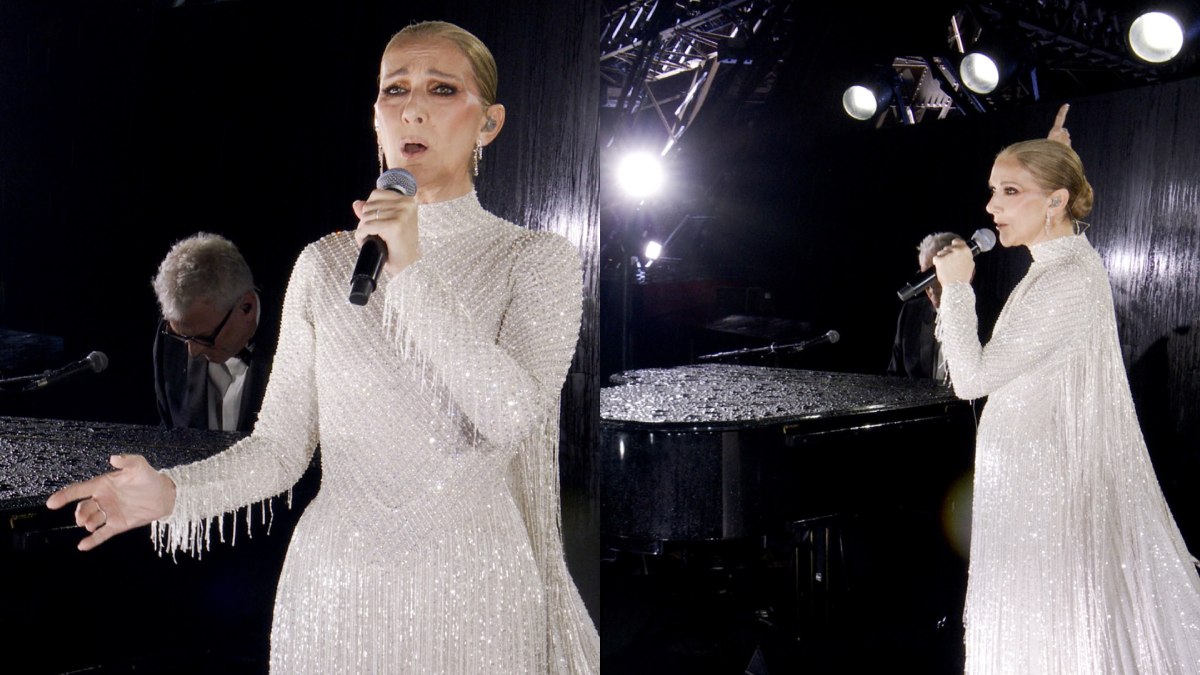
Celine Dion is reportedly preparing for a high-stakes residency at the Paris La Défense Arena in late 2026, marking her most ambitious return to the stage since her diagnosis with Stiff Person Syndrome (SPS). This follows a calculated series of "stress tests" for her vocal and physical endurance, including a viral performance at the 2024 Paris Olympics and a surprise video appearance during the 2025 Eurovision Song Contest. While the headlines focus on the triumph of the human spirit, the medical reality of a world tour with a progressive neurological disorder remains a logistical and biological minefield.
The proposed residency, slated for September and October 2026, would see Dion performing two shows per week in a 40,000-seat venue. This is not merely a concert series; it is a live-action demonstration of modern immunology and physical therapy. To understand the "how" behind this return, one must look past the glittering Dior gowns and into the grueling five-day-a-week rehabilitation program the singer has adopted.
The Science of the Spasm
Stiff Person Syndrome is an autoimmune nightmare that effectively turns the body’s own defense system against the central nervous system. Specifically, the body attacks glutamic acid decarboxylase (GAD), the enzyme responsible for creating Gamma-aminobutyric acid (GABA). In a healthy body, GABA acts as the "brake" for the nervous system. Without it, the "gas pedal" is stuck to the floor.
For a vocalist of Dion's caliber, the stakes are uniquely cruel. The disorder triggers involuntary muscle rigidity and spasms that can be powerful enough to fracture bone. When these spasms hit the respiratory system or the vocal cords, the ability to produce a sustained, controlled note—the very foundation of the "Dion sound"—is physically stripped away. During her hiatus, Dion described the sensation as being "strangled" from the inside.
Her path back to the stage relies on a multifaceted medical protocol. This typically includes high-dose intravenous immunoglobulin (IVIG) to neutralize the rogue antibodies, alongside muscle relaxants and specialized physical therapy. But the most critical element for a live performer is the management of sensory triggers.
Sensory Overload and the Stage Environment
In classic SPS, symptoms are often triggered by sudden noise, bright lights, or emotional stress. This creates a fundamental paradox: the very environment of a stadium concert is a primary trigger for the condition. The roar of 40,000 fans, the strobe of stage lights, and the adrenaline of a live broadcast are all potential catalysts for a debilitating spasm.
The shift toward a residency model in Paris—and the persistent rumors of a parallel return to Resorts World in Las Vegas—is a strategic move to mitigate these risks. By staying in one venue, the production team can create a controlled "bio-bubble."
- Acoustic dampening: Precise control over monitor levels to prevent sudden auditory shocks.
- Logistical stability: Eliminating the physical toll of constant travel, which disrupts sleep and medication schedules.
- Vocal pacing: Limiting performances to twice a week allows for the prolonged inflammatory recovery needed for SPS patients.
The Eurovision Setback and the 2026 Pivot
While the 2024 Olympic performance was a success, the road has not been linear. Dion was reportedly set for a live appearance at Eurovision 2025 in Basel, Switzerland, but ultimately withdrew, providing only a pre-recorded video message. This withdrawal serves as a sober reminder that SPS is not a condition that is "cured," but one that is managed with varying degrees of success on a day-to-day basis.
The decision to target late 2026 for a full residency suggests a longer runway for "functional recovery." This term, used by physiatrists, refers to retraining the body to perform specific tasks—like hitting a high B-flat—despite the underlying neurological interference.
Beyond the Voice
The industry is watching more than just the box office numbers. Dion’s return is a litmus test for how the entertainment world accommodates chronic, invisible disabilities at the highest level of production. If she succeeds, it sets a precedent for "adaptive touring," where the schedule is built around the biological needs of the artist rather than the traditional "three nights on, one night off" grind that breaks even healthy performers.
The financial implications are massive. Dion remains the top-grossing Las Vegas residency artist in history. Her ability to return to a permanent stage provides a blueprint for aging or ailing superstars to maintain their legacy and revenue without the bone-deep exhaustion of a global tour.
The "miracle" of Celine Dion’s return isn’t just in the vocal cords. It is in the meticulously calibrated balance between medicine, technology, and a sheer refusal to let a rare diagnosis be the final word on a forty-year career. As the billboards appear across Paris, the message is clear: the comeback is no longer a question of "if," but a carefully timed "when."
Would you like me to analyze the specific technical modifications being made to modern stadium sound systems to accommodate performers with sensory sensitivities?