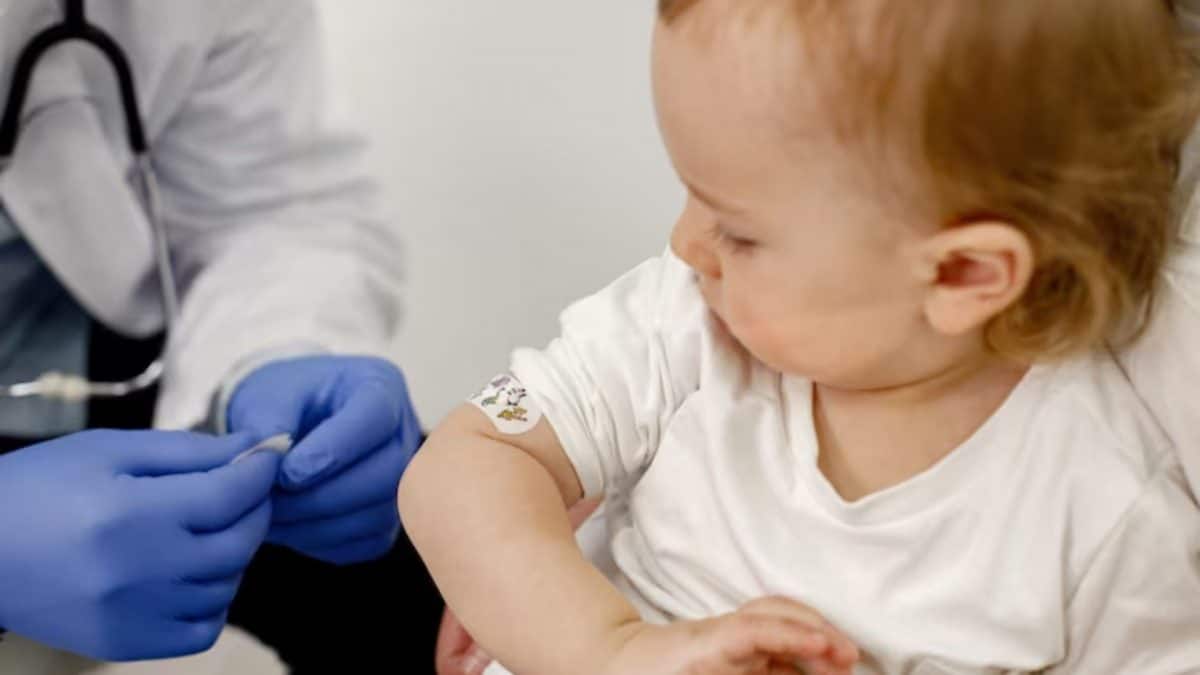
If you’re a parent, you’ve likely spent the last few months trying to figure out which end is up when it comes to your kid’s doctor appointments. One day the schedule is set in stone, the next it’s being overhauled by the federal government. On February 24, 2026, fifteen states finally said enough is enough. Led by California and Arizona, this coalition filed a massive lawsuit against the Trump administration, Health and Human Services (HHS) Secretary Robert F. Kennedy Jr., and the CDC.
The core of the fight? A January 5 "Decision Memo" that fundamentally changed how we protect our children from disease. The administration stripped seven key vaccines of their "universally recommended" status. We're talking about protection against the flu, rotavirus, hepatitis A, hepatitis B, meningitis, COVID-19, and RSV.
Suddenly, these aren’t standard anymore. They’ve been moved to a "shared clinical decision-making" category. That sounds like a fancy way of saying "ask your doctor," but it’s actually a massive shift in how public health works in this country.
Why 15 States Are Taking RFK Jr to Court
This isn't just about a difference of opinion. The states—including heavy hitters like New Jersey, Pennsylvania, and Michigan—argue that the administration broke the law to make these changes. They’re claiming the White House bypassed the required scientific review and ignored decades of data.
The administration’s logic is that the U.S. was a "high outlier." They want to align our vaccine schedule with countries like Denmark or Japan, which recommend fewer shots. But here’s the problem: Denmark has a totally different healthcare system and population density. You can't just copy-paste one part of a country's health policy and expect it to work here without the rest of the infrastructure.
Arizona Attorney General Kris Mayes didn't mince words. She called the overhaul "needlessly confusing" and "scientifically unsound." The states are worried that by removing the universal recommendation, they’ll see a spike in preventable deaths and a massive bill for their Medicaid systems when outbreaks inevitably happen.
The Scientific Panel Purge
One of the most controversial parts of this whole saga is what happened to the Advisory Committee on Immunization Practices (ACIP). This is the group of independent experts that usually decides which vaccines are safe and necessary.
Last year, Secretary Kennedy basically fired the entire panel. All 17 voting members were replaced with new picks. The lawsuit alleges this move was illegal under the Federal Advisory Committee Act, which requires these groups to be "fairly balanced." Instead, the states argue the panel is now stacked with people who hold "minority anti-vaccine views" that just happen to align with Kennedy’s personal brand.
It’s a classic case of dismantling an institution from the inside. When the new, hand-picked ACIP voted to stop recommending the hepatitis B birth dose in December 2025, it threw pediatricians into a tailspin. That shot has been 90% effective at stopping infections in newborns for thirty years. Throwing that out isn't just a policy tweak; it's a 180-degree turn from established medicine.
What This Means for Your Next Pediatrician Visit
You’re probably wondering if you still have to get these shots. Technically, the administration says all these vaccines are still covered by insurance without a co-pay. They claim they’re just giving parents more "choice."
But in reality, "shared clinical decision-making" is a bureaucratic nightmare. It shifts the burden of proof onto you and your doctor. Instead of a standard "this is what every kid needs to stay safe," it becomes a debate every single time you walk into the clinic.
- Flu and RSV: No longer standard for all kids, despite being leading causes of hospitalization in winter months.
- Hepatitis B: The birth dose is now optional for many, even though it's the best way to prevent lifelong liver issues.
- Rotavirus: Often skipped now, leading to more cases of severe dehydration and ER visits for babies.
The timing couldn't be worse. We’re already seeing nearly 1,000 measles cases in the U.S. this year, with South Carolina getting hit particularly hard. When you weaken the overall recommendation for vaccines, you weaken the "herd immunity" that protects the kids who are too young or too sick to get shots themselves.
The Financial Fallout for Families and States
Don't let the "it’s still covered" line fool you. If vaccination rates drop because the CDC stopped recommending them, insurance companies will eventually find ways to stop paying. It’s how the industry works. If a shot isn't on the "universal" list, it becomes an "elective" procedure in the eyes of an actuary.
States are already bracing for the impact. They use the CDC’s universal schedule to set requirements for schools and daycare. Now, they have to rewrite their own laws or create their own independent panels—like California, Washington, and Oregon have already done. This "West Coast Alliance" is basically saying they don't trust the federal government anymore. They're going to follow their own science.
It’s a mess. We’re headed toward a "two-tier" health system where your child's protection depends entirely on which state you live in.
How to Protect Your Family Right Now
The legal battle will likely drag on for months, if not years. You don't have time to wait for a judge in the Northern District of California to decide if the CDC's memo was "arbitrary and capricious."
If you want to keep your kids on the evidence-based track, ignore the new federal "memo" for a minute. Look at the guidelines from the American Academy of Pediatrics (AAP). They are still sticking to the 17-disease schedule because that’s where the actual clinical evidence lives.
Talk to your pediatrician. Most of them are just as frustrated as the attorneys general suing the government. Ask them point-blank: "Are you still following the pre-2025 schedule?" Most will say yes. If yours doesn't, it might be time to find a new doctor who prioritizes peer-reviewed data over political memos.
Don't let the noise in Washington distract you from the reality in your kid's classroom. Outbreaks are real, and they’re happening more often. Keep your records updated, follow the advice of medical societies that haven't been purged, and stay informed on how your specific state is handling the fallout from this lawsuit.
Check your local health department’s website today to see if they’ve issued their own state-level vaccine recommendations that bypass the new CDC guidance.