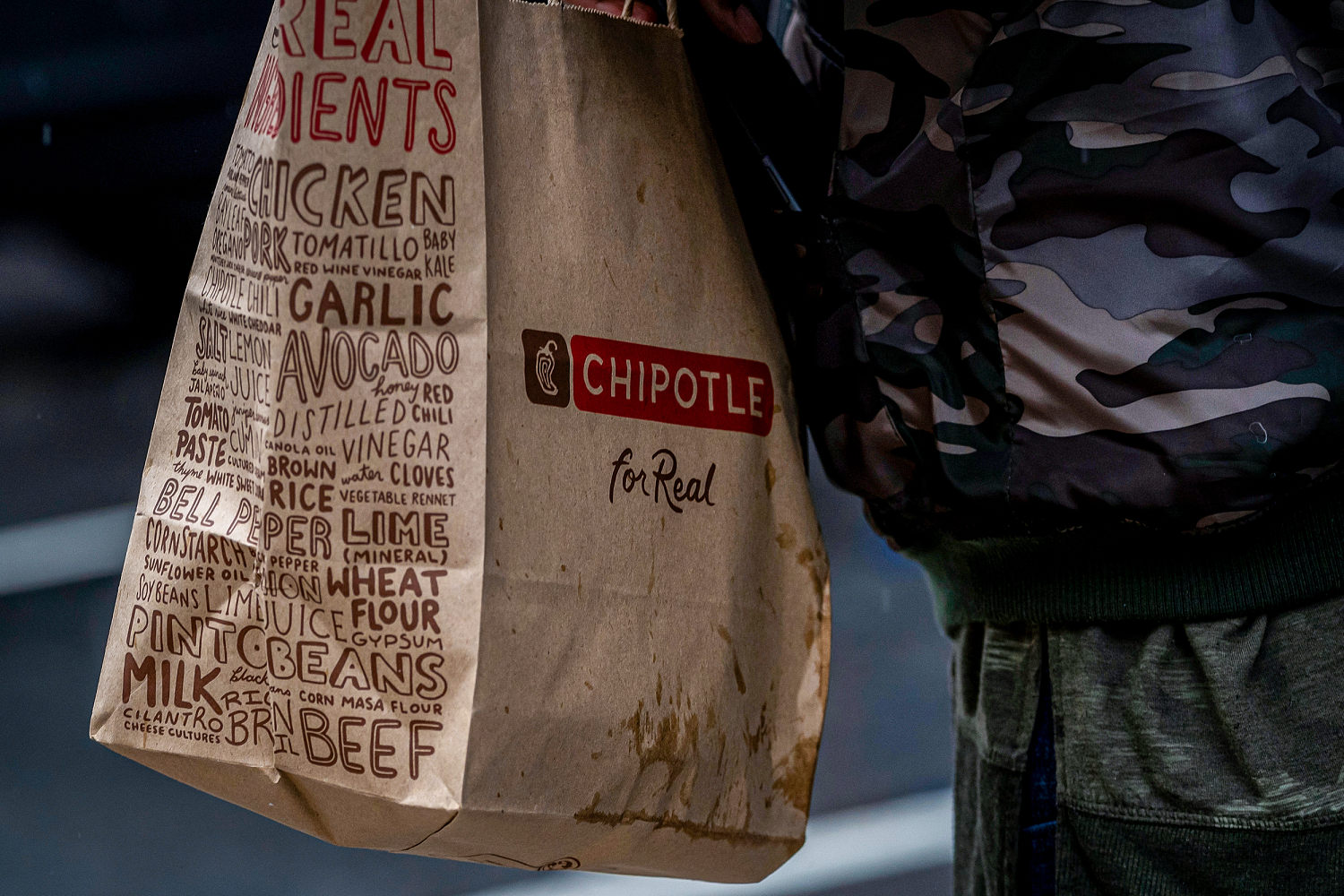
Supply chain integrity in the fast-casual restaurant sector relies on a delicate balance between fresh ingredient sourcing and rigorous pathogen control. When Chipotle removed jalapeños following a potential epidemiological link to a salmonella outbreak, the action exposed structural vulnerabilities in decentralized produce sourcing. Managing foodborne illness risks requires an operational framework that balances the consumer demand for unprocessed ingredients against the statistical reality of biological vectors.
Pathogen transmission in fresh produce operates on distinct vectors compared to processed foods. Fresh peppers, tomatoes, and cilantro are handled at multiple nodes between the agricultural field and the point of sale. Each point of physical contact introduces a variable for contamination. When epidemiological trackers trace a cluster of salmonella cases back to a specific food service chain, the immediate operational response involves rapid product isolation, supply chain backtracking, and inventory purging.
The Mechanics of Traceability Failure
Modern agricultural supply chains aggregate produce from diverse geographical regions to maintain continuous inventory. This aggregation creates a blind spot in biological traceability.
- Fragmented Sourcing Pools: Sourcing from multiple independent farms creates disparate safety protocols and varying degrees of sanitary compliance at the agricultural source.
- Commingling of Inventory: Combining yields from different distributors during transport obscures the exact origin of a contaminated batch.
- Perishable Lifespan Constraints: The short shelf life of fresh jalapeños limits the window for comprehensive microbial testing before distribution to individual restaurant locations.
When a foodborne outbreak investigation begins, public health agencies rely on patient recall and distribution manifests to find the common denominator. This investigative latency allows contaminated produce to remain in circulation long after the initial vector event. Removing an ingredient serves as an immediate damage control measure, but it highlights a fundamental reactive posture rather than a predictive defense.
The Cost Function of Freshness Strategies
Chipotle built its market differentiation on a brand promise of fresh, unprocessed ingredients prepared daily. This operational model shifts the burden of food safety from industrialized processing plants—which utilize chemical washes, irradiation, or thermal kill steps—to agricultural handlers and store-level employees.
The economic trade-off of this model involves balancing brand equity with biological risk. Processed ingredients reduce pathogen prevalence through standardization and intervention technology. Fresh ingredients retain microbial loads native to the field environment. To maintain safety without artificial interventions, the organization must implement stringent supplier verification protocols, including mandatory certificate of analysis audits, third-party farm inspections, and molecular pathogen screening at distribution hubs.
Without these upstream interventions, store-level preparation becomes the final line of defense. However, kitchen staff operating under high-volume throughput conditions face operational constraints that reduce the efficacy of manual sanitation steps such as washing and acid rinsing.
Upstream Mitigation and Protocol Redesign
Mitigating biological risk in fresh-produce supply chains demands a shift from reactive product removal to systematic prevention architecture.
- Geographic Zone Restriction: Limiting sourcing regions to certified agricultural partners with closed-loop traceability systems reduces the variable surface area for contamination.
- Interval Testing Protocols: Implementing rapid polymerase chain reaction testing on incoming produce lots before dispatch to regional distribution centers intercepts contaminated inventory before store delivery.
- Enhanced Sanitization Standard Operating Procedures: Upgrading store-level washing protocols from water rinsing to validated antimicrobial immersion solutions decreases surface pathogen loads on raw produce.
The long-term viability of high-volume fresh food models depends on treating biological safety with the same mathematical rigor applied to financial accounting. Every link in the agricultural chain must function as an audited node where accountability is verified through data rather than assumption.
Deploy an automated lot-tracking registry integrated directly with regional distribution centers. Require all produce vendors to provide cryptographic proof of origin and verified pathogen test results prior to dispatch, establishing an immutable audit trail that isolates contamination events within hours instead of weeks.