The sea does not care about ultimatums. It only moves.
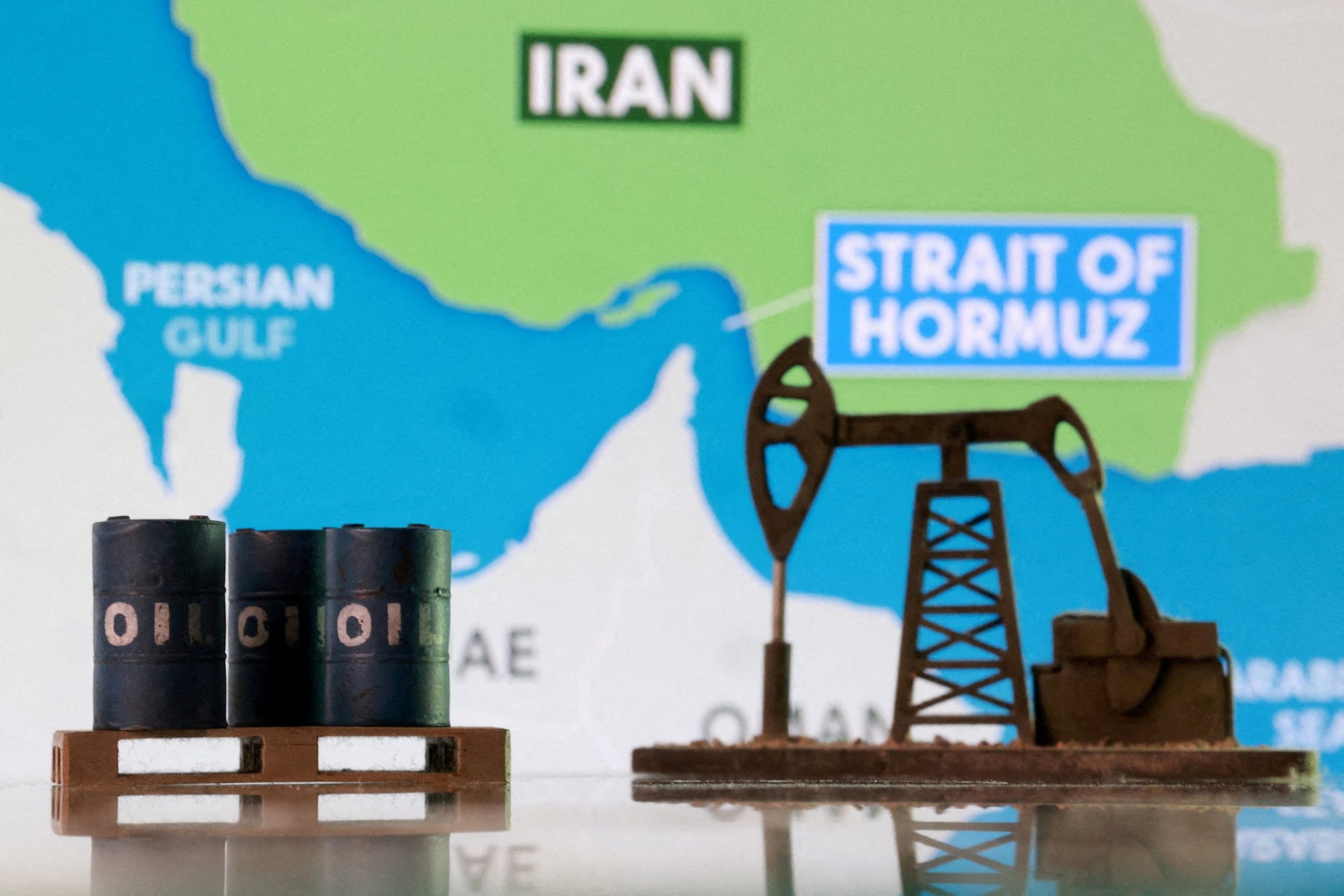
In the Strait of Hormuz, the water is a deceptive, shimmering turquoise. To a fisherman in a wooden dhow, it is a source of life. To a tanker captain navigating a vessel the size of an upright skyscraper, it is a high-stakes gauntlet. But today, that narrow strip of blue—barely twenty-one miles wide at its tightest squeeze—has become something else entirely. It is a fuse.
When Tehran speaks of "completely" closing this waterway, they aren't just making a regional threat. They are reaching into your kitchen, your gas tank, and the very lightbulbs humming above your head. It is the ultimate lever of the dispossessed and the defiant.
The Calculus of Darkness
Imagine a control room in a major city, perhaps far from the desert heat of the Middle East. A technician watches a digital grid. The lines are steady. Suddenly, those lines begin to flicker.
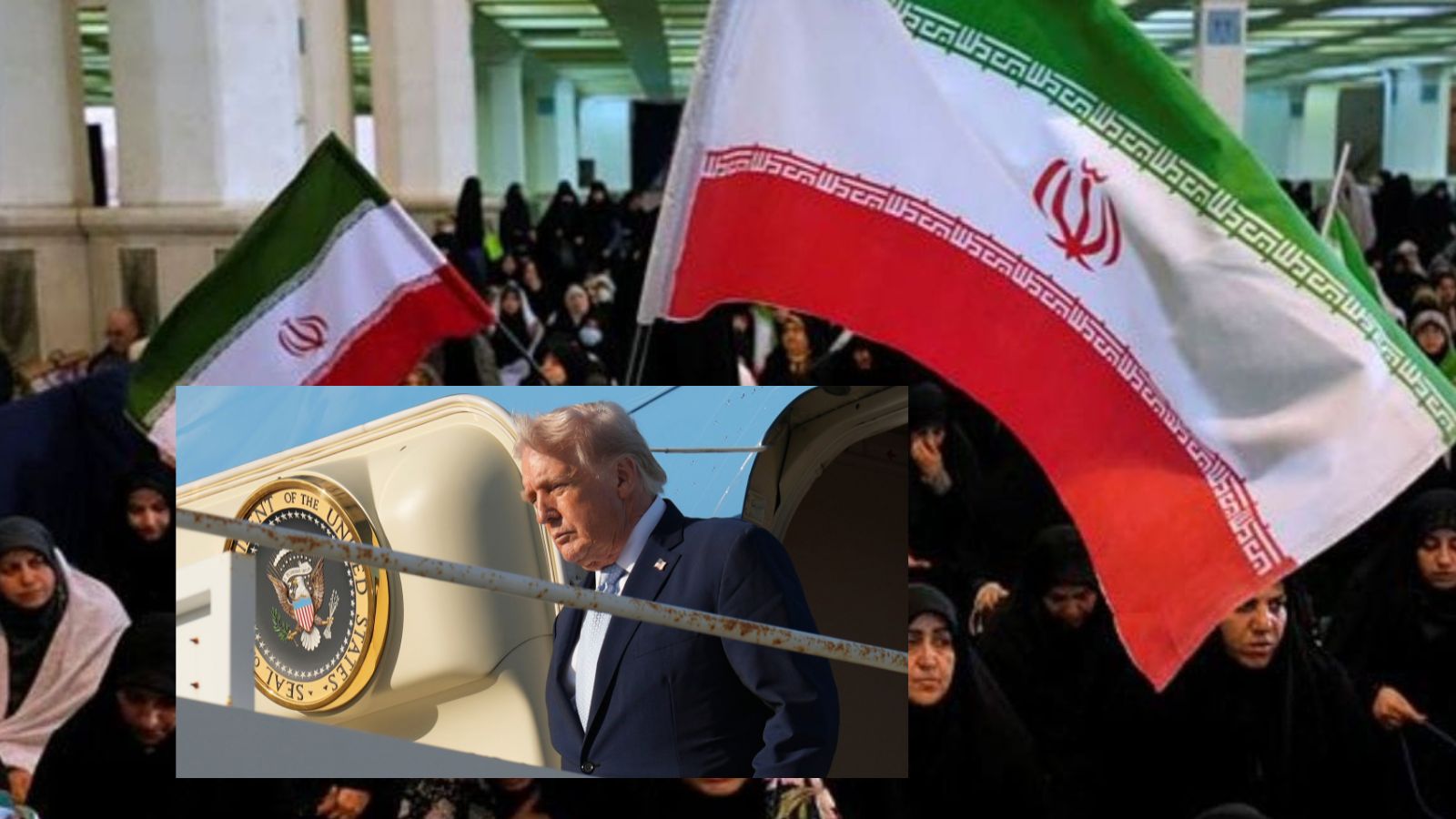
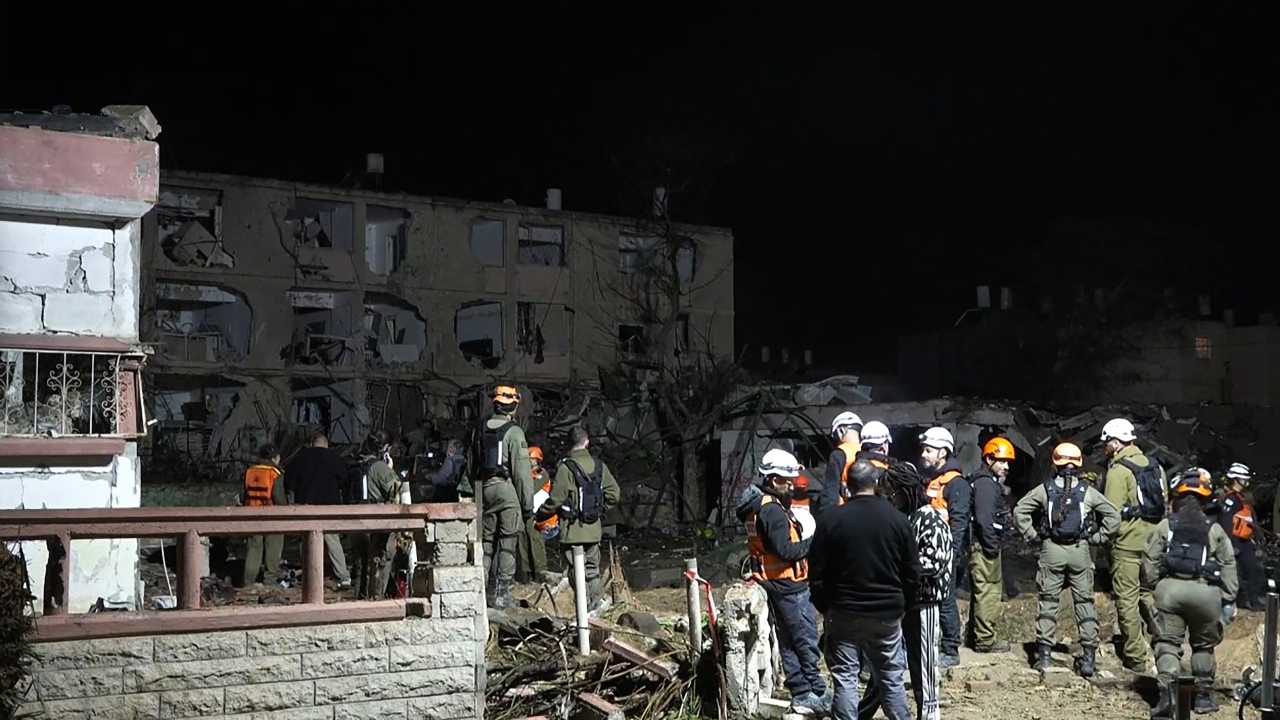
This isn't a hypothetical fear for those living under the shadow of the current escalation. Iran's recent rhetoric hasn't just focused on the sea; it has turned toward the power plants. By signaling a willingness to strike at the electrical heart of its adversaries, Iran is shifting the rules of engagement from the battlefield to the living room.
Modern warfare has moved beyond the simple conquest of territory. It is now about the "cascading failure." If you hit a power plant, you don't just turn off the lights. You stop the water pumps. You kill the refrigeration in hospitals. You silence the cell towers. You create a vacuum of information where panic grows like mold in the dark. This is the "Trump ultimatum" in reverse—a game of chicken where the stakes are the basic functions of 21st-century civilization.
Twenty-One Miles of Tension
To understand why the world flinches when a commander in Tehran mentions Hormuz, you have to look at the numbers, though numbers rarely capture the smell of salt air and diesel.
Roughly one-fifth of the world’s total oil consumption passes through this strait every single day. If you are reading this on a device, or if you drove to work, or if you ate food delivered by a truck, you are tethered to these twenty-one miles. It is a physical bottleneck for a globalized ghost-economy.
The threat to "completely" close the strait is often dismissed by naval analysts as a logistical impossibility. The U.S. Fifth Fleet is always loitering nearby, a massive, gray wall of steel designed specifically to prevent such a thing. But "closing" a strait doesn't require a physical wall. It only requires doubt.
If a single mine is suspected in the water, insurance premiums for tankers skyrocket. If a single drone strike hits a deck, the shipping companies pull back. The strait doesn't need to be blocked by sunken ships to be closed; it only needs to become too expensive to risk.
The Human Cost of a Headline
Behind the aggressive posturing of world leaders are people like Malek, a hypothetical but realistic composite of a merchant mariner currently on the water.
Malek doesn't care about the geopolitical chess match between Washington and Tehran. He cares about the vibration of the engine under his feet. He knows that his ship, carrying two million barrels of crude, is essentially a floating target in a corridor where "strategic patience" has worn thin. For him, the news isn't a "LIVE update" on a screen. It is the sight of a fast-attack craft appearing on the horizon, trailing a white wake like a razor blade across the blue.
When we talk about hit power plants and closed straits, we are talking about the interruption of human rhythm. We are talking about the anxiety of a father in Haifa or Tehran wondering if the hum of the air conditioner will vanish tonight. We are talking about the global markets reacting with a cold, mathematical cruelty that leaves the poorest nations unable to afford the fuel to cook their food.
The Weight of the Ultimatum
The mention of the "Trump ultimatum" adds a layer of unpredictable theater to the tension. It suggests a return to "maximum pressure," a policy that treats diplomacy like a vice. But every action has an equal and opposite reaction. In this case, the reaction is a cornered state looking at its most potent weapons: the geography of the sea and the vulnerability of the grid.
Cyber warfare and physical strikes have blurred into a single, jagged line. The threat to hit power plants is a signal that there are no more "off-limits" zones. In the past, wars were fought on front lines. Today, the front line is the electrical outlet in your wall.
We often think of energy as an infinite resource, something that simply is. But the current standoff reveals the fragility of that assumption. Our world is built on a series of "just-in-time" deliveries. We don't store months of electricity. We generate it as we use it. We don't have years of oil in reserve; we have a constant stream flowing through a twenty-one-mile pipe made of water.
The Echoes of History
This isn't the first time the Strait of Hormuz has been a flashpoint. During the "Tanker War" of the 1980s, hundreds of ships were attacked. The sea was a graveyard of steel. Yet, even then, the total closure of the strait remained the "nuclear option" of conventional trade—a move so drastic it would likely trigger a global catastrophe that no one, including the one who closed it, could survive.
The difference now is the precision. A drone doesn't need to sink a ship to make a point. A piece of malware doesn't need to blow up a power plant to disable it. The tools of disruption have become more surgical, and therefore, more tempting to use.
The rhetoric coming out of the region serves as a reminder that we are all participants in this conflict, whether we want to be or not. We are the consumers of the energy, the funders of the navies, and the eventual victims of the inflation that follows every "LIVE update."
The Silent Engine
There is a specific kind of silence that happens when a city loses power. It isn't a peaceful quiet. It is heavy. It is the sound of a million tiny motors—fans, fridges, computers, clocks—stopping all at once. It is a reminder of how much of our humanity we have outsourced to the grid.
As the threats fly across the Persian Gulf, that silence is what is actually being threatened. Not just "interests" or "assets," but the basic continuity of modern life. The ability to call a loved one. The ability to keep a vaccine cold. The ability to see in the dark.
The strait remains open for now. The tankers continue their slow, heavy crawl. The power plants continue to hum, burning gas and coal to keep the shadows at bay. But the words have been spoken, and once a threat is voiced, it lives in the back of the mind like a ghost.
The world watches the turquoise water, waiting to see if the shimmer is just the sun, or the glint of something rising from the depths.
Beyond the headlines and the political posturing, the reality is a simple, terrifying truth: we have built a world so interconnected that a few miles of water in the Middle East can dictate the fate of a factory in Ohio or a hospital in London. We are all tethered to the chokepoint. We are all waiting on the wind.
The sea continues to move, indifferent to the men who claim to own it. It flows past the warships and the tankers, through the narrow gap, out into the vast, uncaring ocean. It is a reminder that while empires rise and threaten to pull the world into the dark, the earth itself operates on a different clock. But for those of us caught in the gears of the present, the ticking of that clock has never felt louder.
Would you like me to analyze the historical precedent of the 1980s Tanker War to show how today's naval technology has changed the risk profile of the Strait of Hormuz?