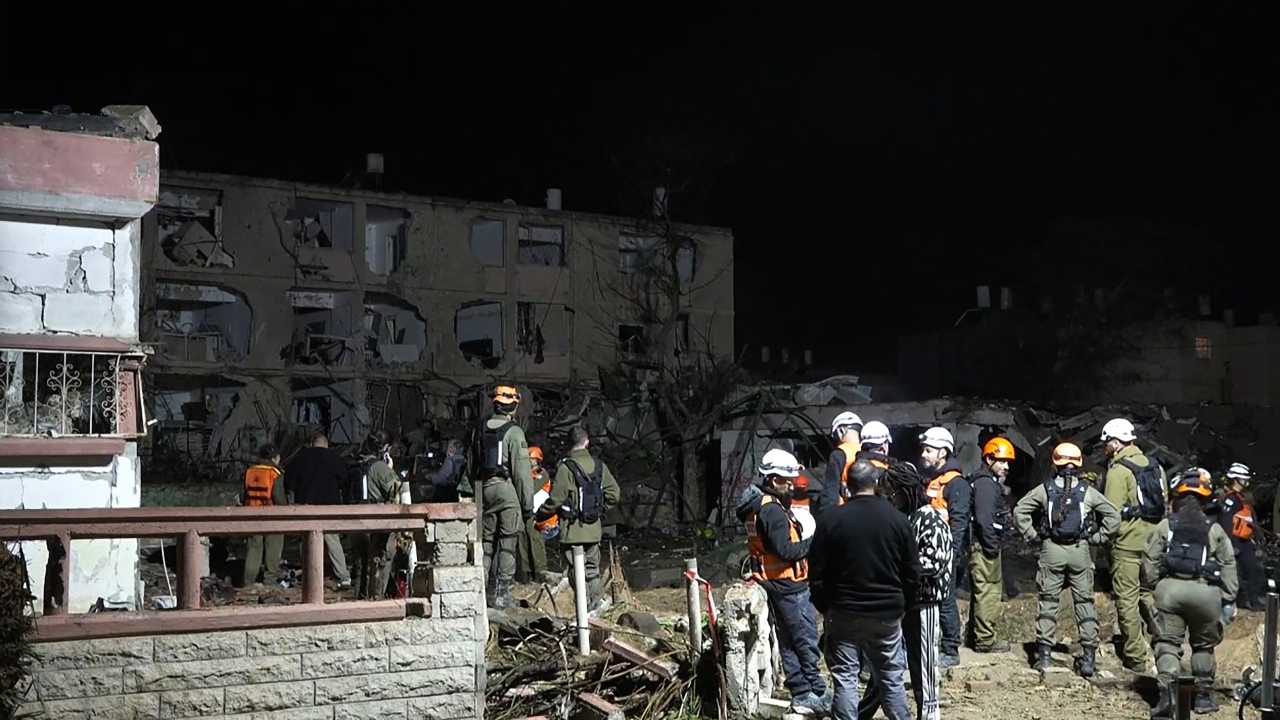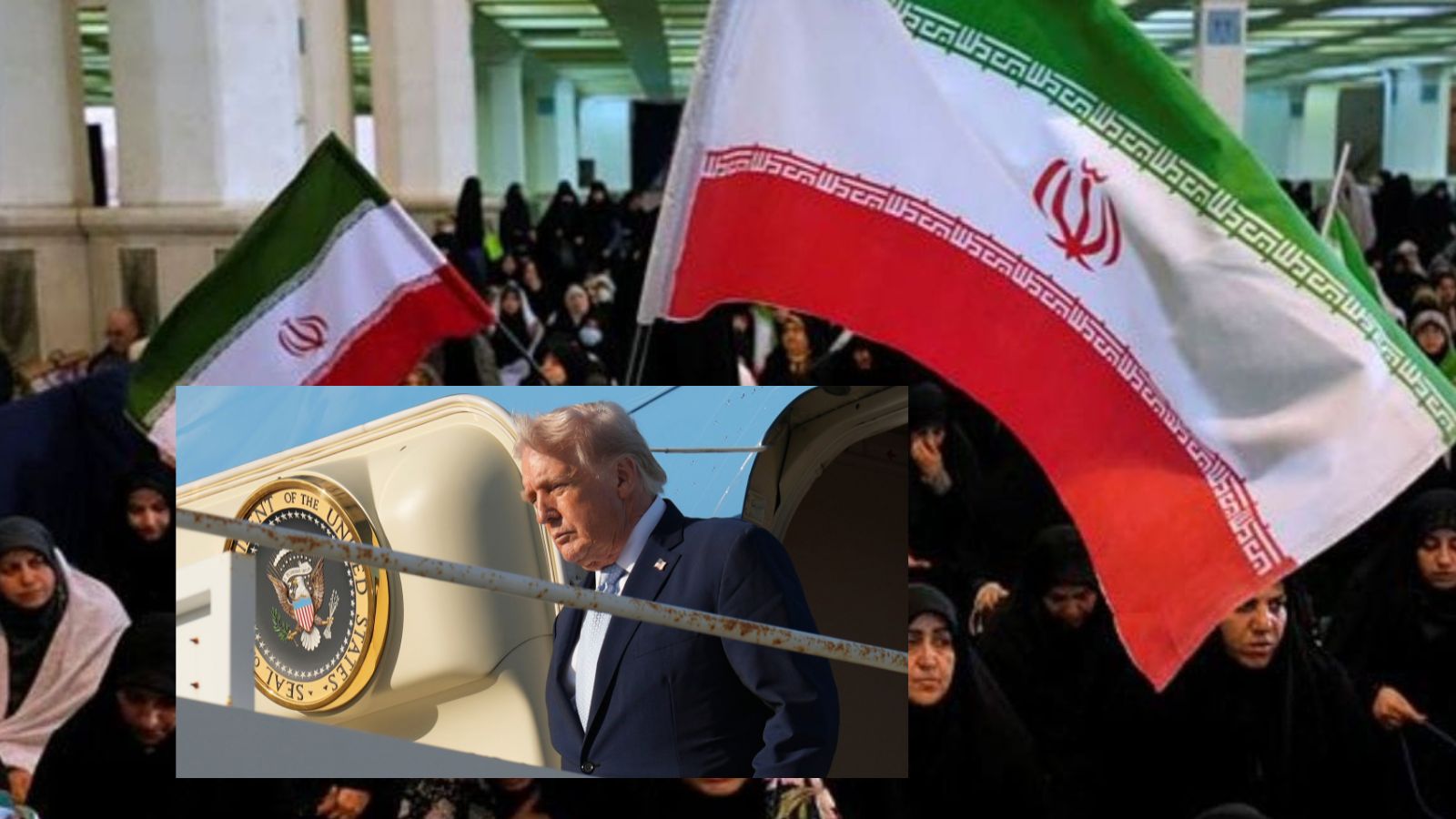
The 48-hour clock is ticking toward a blackout that could redefine the Middle East for a generation. By Monday night, the United States has pledged to "obliterate" Iran’s domestic power grid unless the Strait of Hormuz is fully reopened to global shipping. Tehran’s response was not just a military posture; it was a threat to the literal survival of every city on the Arabian Peninsula. If American missiles hit Iranian transformers, Iran intends to systematically destroy the desalination plants and IT networks that keep the Gulf states habitable.
This is no longer a localized skirmish over shipping lanes. We are witnessing the first large-scale conflict where the primary target is the civilian life-support system of an entire region.
The Desalination Death Trap
While the world watches oil prices, the real vulnerability in the Gulf is water. Nations like Qatar and Bahrain rely on desalination for 100% of their drinking water. In the United Arab Emirates and Saudi Arabia, that figure hovers between 50% and 80%. These facilities are massive, stationary, and incredibly fragile. They are the ultimate "soft targets."
Iran’s military spokesman, Ebrahim Zolfaqari, made the intent clear: any strike on Iranian energy will be met with "irreversible destruction" of water infrastructure in neighboring states. For a city like Dubai or Doha, losing a major desalination hub isn't just an inconvenience. It is a humanitarian catastrophe that begins within 48 hours. Most of these states maintain only a few days’ worth of potable water in reserve. Without the power to run the pumps and the heat to flash-distill the seawater, these gleaming desert metropolises become uninhabitable.
Why the Strait Stays Shut
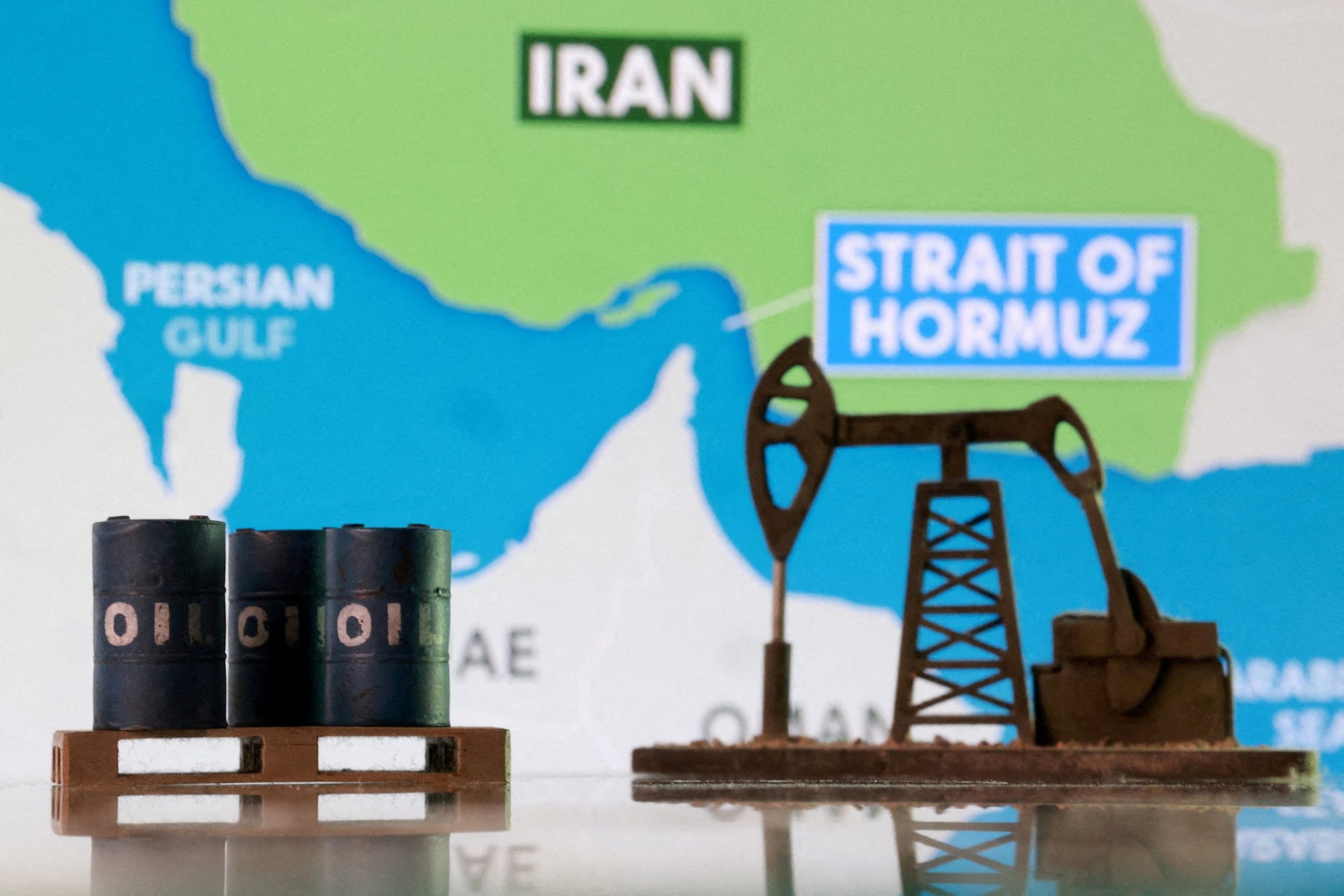
Despite President Trump’s demands, the Strait of Hormuz is not "closed" in the traditional sense of a physical blockade. There are no chains across the water. Instead, Iran has used a combination of targeted drone strikes and "war-risk" insurance manipulation to make the passage economically impossible.
Since the joint U.S.-Israeli strikes began on February 28, insurance premiums for tankers have surged by 600%. Most global shipping firms have simply suspended operations. They aren't waiting for a permission slip from Tehran; they are waiting for a guarantee that their $200 million vessels won't be incinerated by a loitering munition. Iran’s strategy is to maintain this "effective closure" while claiming the waterway is technically open to anyone not deemed an "enemy." It is a gray-zone tactic that renders traditional naval escorts nearly useless.
The Fragility of the Digital Grid
A secondary, yet equally devastating, prong of the Iranian threat involves the region's information technology infrastructure. The Gulf’s economy is perhaps the most digitized on earth, governed by "smart city" frameworks that manage everything from traffic flow to cooling systems in skyscrapers.
Iranian cyber units, coupled with physical strikes on data centers, could theoretically "brick" the operating systems of major Gulf hubs. We are talking about the potential for a total digital blackout. If the cooling systems in a Riyadh server farm are cut, the hardware melts. If the software governing the power distribution in Kuwait is corrupted, the physical repairs could take months, if not years.
A Failed Policy of Deterrence
The current ultimatum highlights a significant miscalculation in Western strategy. For decades, the assumption was that Iran would never risk a total war because it would lead to the regime's certain demise. However, after the reported deaths of top leadership earlier this month, the remaining IRGC command appears to have shifted to a scorched-earth doctrine.
They are betting that the U.S. and its allies value the stability of the global energy market and the lives of millions of Gulf residents more than they value a "total victory" over Tehran. It is a high-stakes hostage situation where the hostages are the water taps and light switches of America's closest regional partners.
The Coming Energy Shock
Brent crude is already hovering near $113 a barrel. If the 48-hour deadline passes without a resolution, analysts expect a jump to $150 almost overnight. This isn't just about gas prices at the pump in Ohio; it’s about the collapse of the global supply chain for diesel, fertilizers, and aluminum. The International Energy Agency has already warned that no country is immune to the "major, major threat" this war poses to the global economy.
The U.S. has released record amounts of oil from its strategic reserves, but that is a temporary bandage on a severed artery. As long as 20 million barrels of oil per day are trapped behind the Horn of Hormuz, the pressure on the global financial system will continue to mount.
The immediate next step for regional players is a frantic, behind-the-scenes diplomatic push to extend the 48-hour window. If you are an executive with assets in the Gulf, the priority is no longer growth—it is the immediate hardening of off-grid water and power redundancies before the Monday night deadline expires.