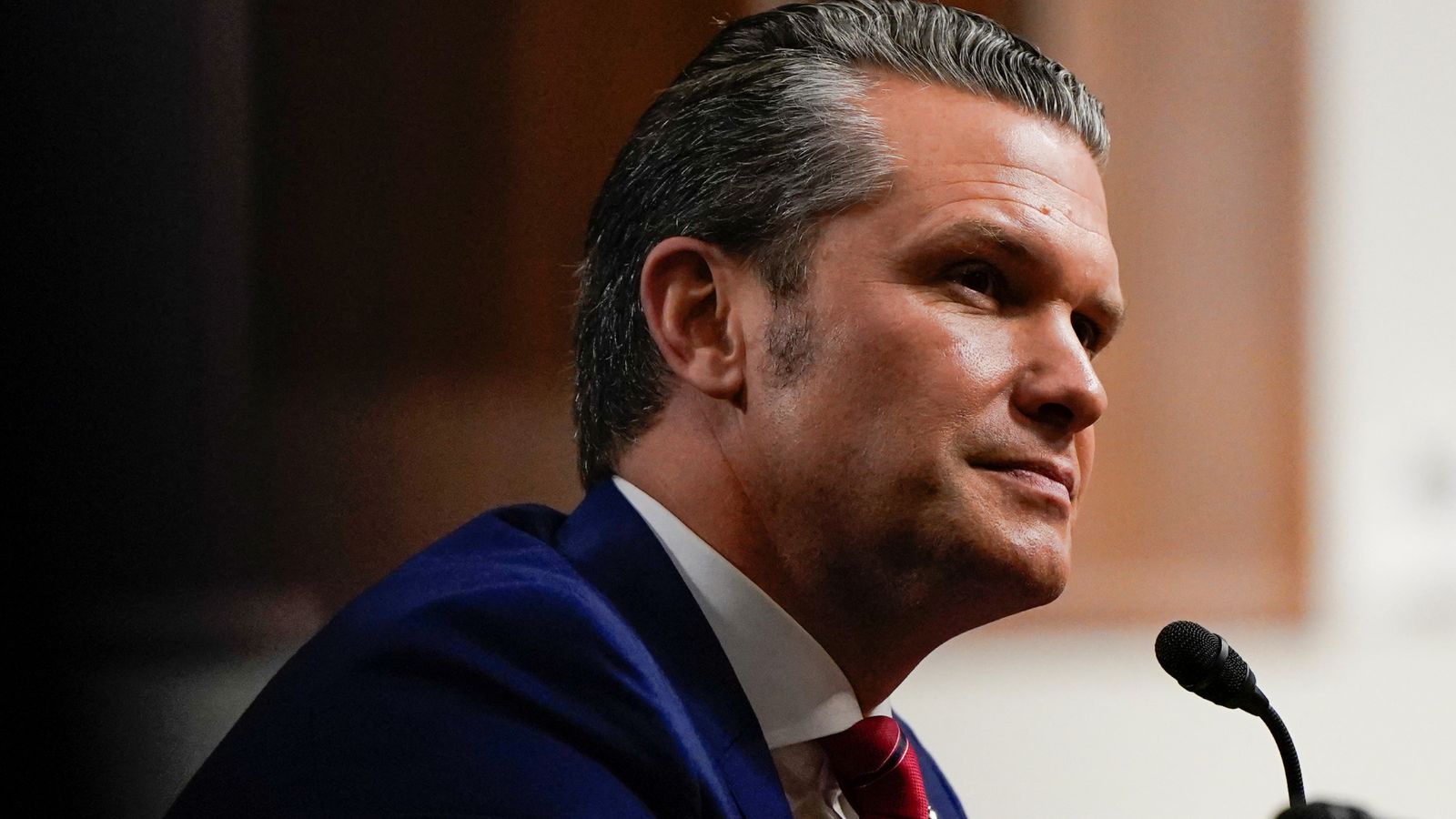
US Army Secretary Dan Driscoll just handed in his resignation to President Donald Trump, and the shockwaves inside the beltway are entirely real. After eighteen months of running the nation's largest military branch, Driscoll's exit seals a brutal internal power struggle with Defense Secretary Pete Hegseth. If you have been paying attention to the high-stakes musical chairs at the Pentagon, this isn't out of nowhere. It is the inevitable collision of competing visions for America's armed forces.
The immediate trigger points are hard to ignore. Driscoll and Hegseth spent months locking horns over personnel choices and the frantic pace of military transformation. Hegseth has spent his tenure running a massive purge of top brass, clearing out roughly two dozen generals and admirals. When Hegseth axed Army Chief of Staff General Randy George back in April, he severed Driscoll's closest institutional ally. Driscoll didn't hide his frustration, famously telling Congress he "adored" the ousted general.
The Clash Over Modern Warfare
Driscoll wanted a radically different military. As an Iraq war veteran and former tech investor, he looked at modern battlefields in places like Ukraine and saw an urgent need to pivot. He pushed hard for cheap drones, counter-drone systems, and streamlined procurement rules that bypassed decades of bureaucratic red tape. He even brought in billions in private capital commitments to upgrade military installations.
Hegseth's camp had other ideas. Once interim leaders like General Christopher LaNeve stepped into the vacuum, those pet modernization programs got rolled back. Units that were experimenting with homegrown drone tech were ordered to drop the gadgets and revert to standard infantry roles. The ideological friction was absolute. Driscoll wanted a nimble, tech-first force built for immediate threats, while the new Pentagon architecture favored strict obedience and a return to conventional lines.
The Vice Presidential Connection
You can't understand Driscoll's tenure or his exit without looking at his political orbit. Driscoll is a close personal friend and former Yale Law School classmate of Vice President JD Vance. That direct line to the vice president's office made him a heavyweight player in administration circles. Inside the Pentagon, however, that relationship created severe paranoia. Reports surfaced that Hegseth grew deeply distrustful, viewing Driscoll's White House access and Vance alliance as an end-run around the defense secretary's authority.
When you have two massive political egos operating inside the same chain of command, someone eventually gets squeezed out. Driscoll was initially touted by some insiders as a potential replacement for Hegseth if the defense secretary stumbled early on. Instead, the institutional friction accelerated his departure.
What This Means for the Army Right Now
The timing couldn't be worse. The US military is managing a prolonged conflict with Iran alongside numerous global flashpoints. With Driscoll out and General George previously ousted, the Department of the Army is sitting completely without Senate-confirmed top leadership.
The White House is publicly spinning the exit with heavy praise, highlighting Driscoll's work on readiness, lethality, and even his unusual side-stint helping broker diplomatic talks regarding Ukraine. But the reality on the ground is stark. The civilian and military leadership layer of the Army has been gutted.
If you're watching defense policy, look at who gets nominated next. The administration can either install a loyalist who will execute Hegseth's vision without pushback or risk another standoff over the soul of the military industrial complex. Driscoll tried to force an old institution into the twenty-first century, but institutional gravity won out.