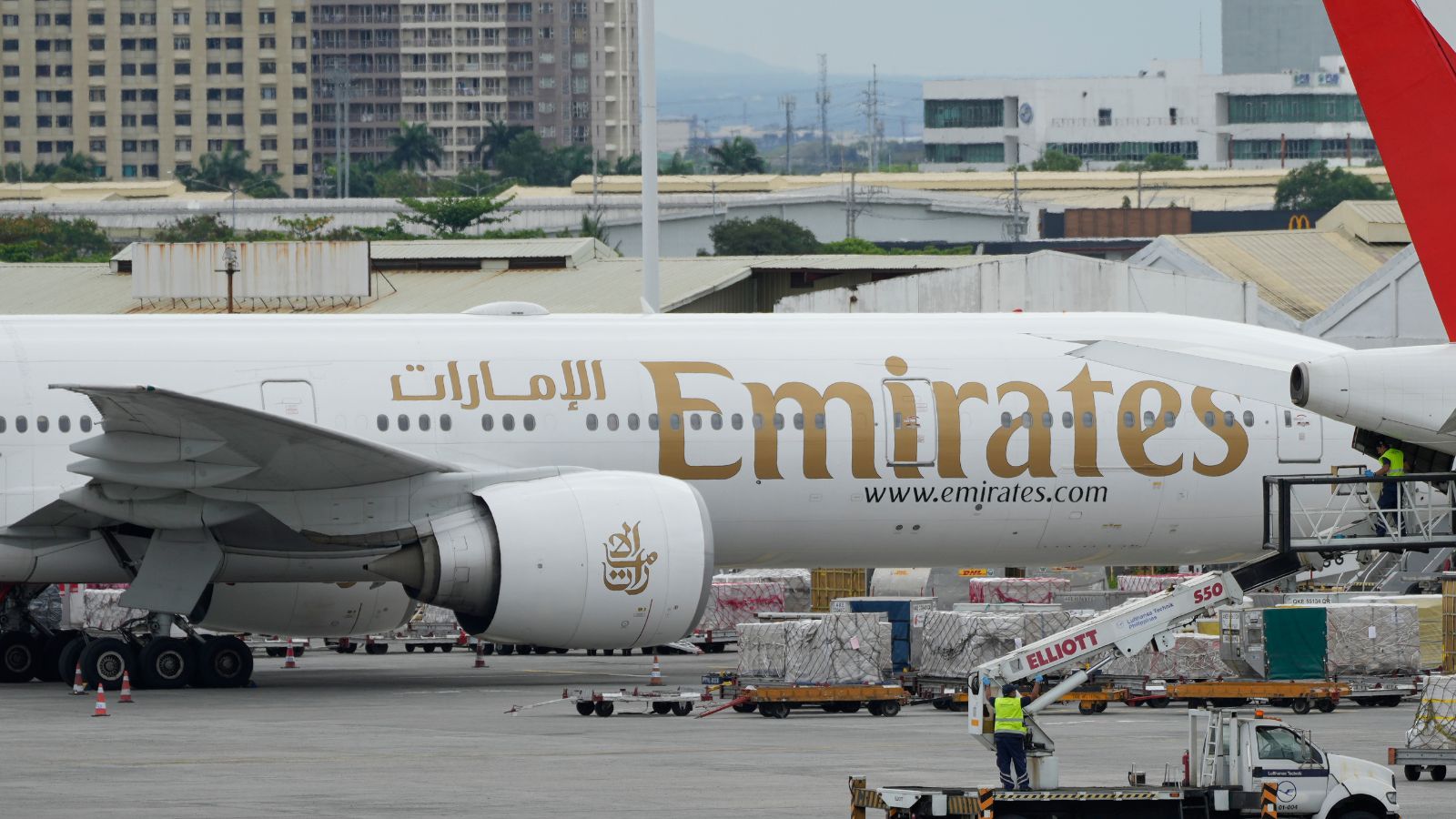
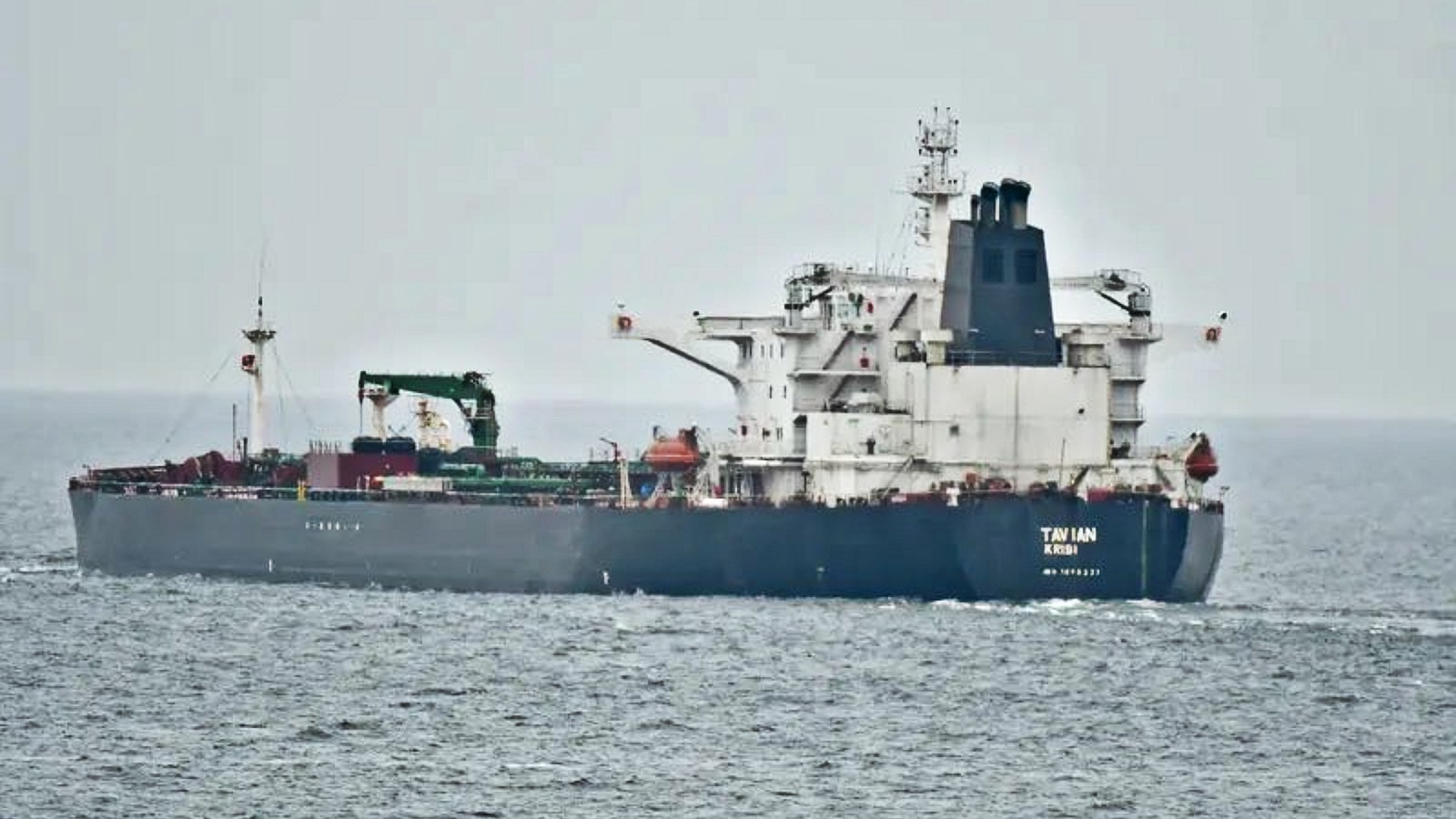
The Treasury Department just blinked. Or, more accurately, the UAE-based logistics firm Globe Trekkers outplayed a system that thrives on the illusion of control. When the Office of Foreign Assets Control (OFAC) removed Globe Trekkers from its Specially Designated Nationals (SDN) list, the mainstream press played the "all-clear" signal. They framed it as a success story of international cooperation and corporate rehabilitation.
They are dead wrong.
This isn’t a story about a company finding its way back to the light. It is a masterclass in how the "whack-a-mole" strategy of global sanctions is fundamentally broken. Lifting sanctions on a middleman entity in a high-friction jurisdiction like the UAE doesn't signal a cleaner supply chain. It signals that the target has successfully reorganized its assets or that the political cost of enforcement has become too high.
If you think this means the "bad actors" are gone, you don’t understand how modern grey-market logistics works.
The Myth of the Reformed Logistician
The lazy consensus suggests that sanctions work like a prison sentence: you do the time, you fix your internal controls, and you are welcomed back into the global financial fold.
I have spent fifteen years watching firms navigate the murky waters of the Middle East and Central Asia. I have seen companies "rebrand" while keeping the same beneficial owners, the same bank accounts (under different shells), and the same dark-sky flight paths. Sanctions don't change behavior; they change paperwork.
When a firm like Globe Trekkers—previously accused of facilitating trade for sanctioned Russian entities or Iranian interests—gets the green light to resume US dollar transactions, the compliance departments at major banks throw a party. They see it as a reduction in risk.
In reality, the risk hasn't decreased. It has merely become invisible.
The "Know Your Customer" (KYC) industry is a multi-billion dollar shield that protects no one. It is a checklist designed to satisfy regulators, not to catch criminals. By the time OFAC adds a company to the SDN list, that company has already spun off three "clean" subsidiaries. By the time they are removed, those subsidiaries have already matured.
Why OFAC is Losing the Data War
The US government uses sanctions as a blunt instrument in a world that requires a scalpel. They rely on "static" data—names, addresses, and tax IDs.
Global logistics is fluid.
A firm like Globe Trekkers operates in a "nodes and edges" environment. If you cut one edge (the legal ability to trade), the node (the actual physical warehouse, the planes, the trucks) simply finds a new edge. The infrastructure doesn't disappear just because a bureaucrat in D.C. signed a memo.
- Asset Migration: The moment the "Globe Trekkers" brand became toxic, the smart move wasn't to fight the sanction. It was to move the contracts to a silent partner.
- The UAE Paradox: Dubai is the world’s laundry room for a reason. It provides the perfect legal architecture to be both "compliant" with Western demands and "flexible" with Eastern realities.
- The Proxy Game: Lifting sanctions is often a diplomatic quid pro quo. We give the UAE a "win" by clearing one of their firms, and in exchange, we get a vote at the UN or a promise on oil production. It has nothing to do with the firm’s actual conduct.
The Compliance Trap: Why Your Due Diligence is Failing
Most CFOs and risk officers are currently looking at the Globe Trekkers news and updating their internal databases. They see a "Pass" where there used to be a "Fail."
This is the exact moment you are most vulnerable.
Standard due diligence is reactive. It assumes that the government is the ultimate source of truth. If the government says they are okay, they must be okay. But the government is lagging. It’s like using a map from 1995 to navigate a city that was rebuilt last year.
True risk assessment requires looking at Transactional Velocity and Behavioral Patterns, not just government lists.
- Did the firm’s shipping routes change after the sanction?
- Did their primary vendors remain the same?
- Is the executive leadership truly independent, or are they "straw men" for the previous owners?
If you aren't asking these questions, you aren't doing due diligence. You’re doing theatre.
The Cost of "Safe" Trading
Every time a company is delisted, the "compliance industrial complex" creates a false sense of security. This leads to a massive influx of capital into firms that have spent the last eighteen months learning exactly how to hide their tracks better.
I’ve sat in rooms with logistics directors who laughed at OFAC designations. To them, it’s just a "cost of doing business" tax. You pay the lawyers, you wait out the heat, and you wait for the political winds to shift.
The Globe Trekkers case proves that the shelf life of a sanction is getting shorter. As the world moves toward a multi-polar financial system—where the US Dollar isn't the only game in town—the threat of being cut off from the SWIFT system carries less weight.
Stop Asking "Is This Legal?" and Start Asking "Is This Real?"
The "People Also Ask" section of your brain wants to know if you can now safely book freight with delisted firms.
The answer is: only if you enjoy being the subject of a future federal investigation.
The lifting of a sanction is not a clean bill of health. It is a temporary ceasefire. In the current geopolitical climate, a firm that was once in the crosshairs is likely still being monitored. If you rush back into business with them because "the list said it’s okay," you are anchoring your company's survival to the whims of a Department of Treasury that changes its mind every election cycle.
The smartest players in the market aren't looking for delisted firms. They are looking for firms that were never on the radar to begin with—the ones that are too small to be noticed but too efficient to be ignored.
The Brutal Reality of Global Logistics
Logistics isn't about moving boxes. It's about moving risk.
Companies like Globe Trekkers are essential because they operate in the "grey zones" where Western firms are too scared to go. When we sanction them, we don't stop the trade. We just make the trade more expensive and less transparent.
When we lift the sanctions, we don't fix the transparency problem. We just lower the price.
If you are a CEO relying on the SDN list as your primary risk-mitigation tool, you are already obsolete. You are betting your company’s reputation on a lagging indicator. You are trusting a government agency to do the job that your own intelligence team should be doing.
The Globe Trekkers delisting isn't a sign that the system is working. It’s a sign that the target has outgrown the cage.
Verify the beneficial ownership yourself. Track the vessels yourself. Map the connections to sanctioned jurisdictions yourself. Because the moment you rely on a "Lifting of Sanctions" headline to guide your strategy, you’ve already lost the trail.
Get off the list-checking treadmill. Start looking at the actual flow of goods. The truth isn't in a Treasury Department press release; it's in the manifest of a ship currently sitting off the coast of Bandar Abbas.
Burn your compliance manual and start hiring people who actually know how the world moves.