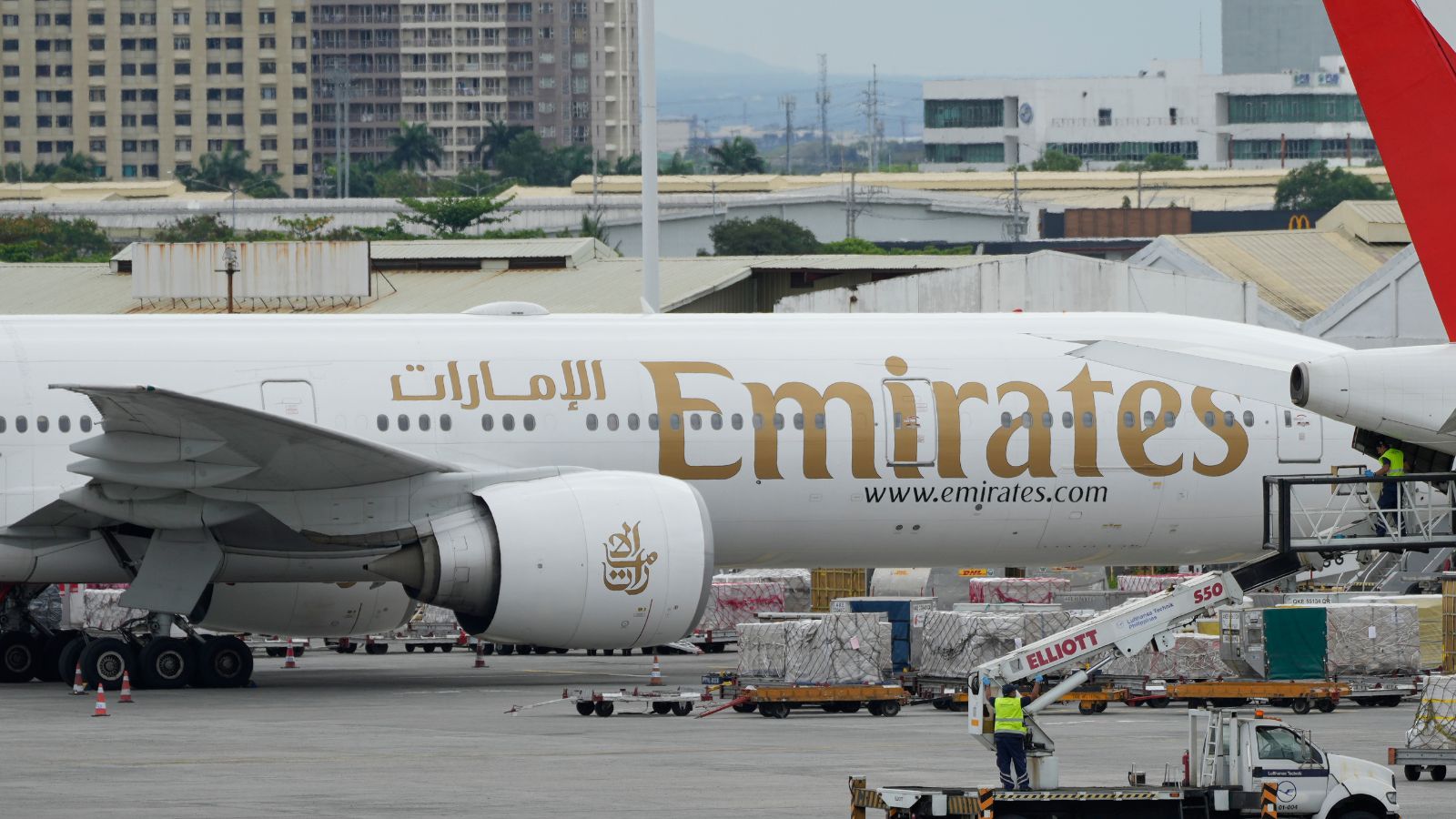
Air travel in the Middle East is currently a giant puzzle with moving pieces. If you've looked at a flight tracker lately, you’ve seen the chaotic rerouting—planes hugging the South Caucasus or skipping over the Caspian Sea just to stay clear of the latest sparks between Iran and Israel. It’s a mess. But amid the tension, Emirates is doing something bold. They aren't just "trying to get back to normal"; they're flooding the Indian market with extra seats.
The airline just announced it’s aiming for a 100% network restoration in the coming days. By March 7, 2026, they expect to hit 106 daily return flights globally. That sounds ambitious when you consider the airspace closures and security jitters that have defined the last week. Yet, the real story isn't just about Dubai—it’s about the massive capacity boost they're pumping into India.
The India Strategy During Regional Turmoil
Why India? Simple. It’s the ultimate safety net. While routes over certain parts of the Levant and Iran remain "touch and go," the demand between Dubai and India is relentless. Emirates is scaling up to 22 daily flights across all nine of its Indian gateways. This isn't some random adjustment; it’s a calculated move to keep revenue flowing while other parts of the map are essentially dark.
I’ve seen this play out before. When the regional sky gets complicated, the major carriers shift their heavy metal to where the demand is predictable and the corridors are stable. For Emirates, India is that rock. The bilateral trade between the UAE and India is booming—thanks in part to the CEPA agreement—and the sheer volume of expatriate travel means those planes fly full, war or no war.
Navigating the Airspace Minefield
It’s easy to say "network returning to 100%," but the logistics are a nightmare. The UAE government recently opened "safe air corridors" that allow for about 48 flights per hour. This is basically an emergency valve to prevent the region’s aviation hub from choking.
Here’s what’s actually happening behind the scenes:
- Fuel Burn is Spiking: Rerouting around conflict zones isn't just a detour; it adds hours to flight times. That means more jet fuel, which is already hitting prices we haven't seen in years.
- Prioritizing the Backlog: If you’re one of the thousands who got stranded when the strikes first hit, you’re the priority. Emirates is being blunt: don't even think about showing up at DXB unless your booking is confirmed. They’re busy clearing 30,000-passenger backlogs in a single day.
- The India-UK-US Triangle: While India gets 22 flights, the UK is seeing 11 daily flights and the US is holding steady at seven gateways. These are the "money routes." By focusing here, Emirates is insulating its bottom line from the losses incurred by suspending flights to places like Tehran or Baghdad.
What This Means for Your Next Trip
If you’re planning to fly through Dubai right now, you need to be realistic. The airline says things will be "normal" soon, but in aviation, "normal" is a relative term during a conflict. You’re likely to see higher ticket prices. Why? Because when an airline has to fly a longer route and pay higher insurance premiums, they don't just eat those costs. They pass them to you.
Honestly, if you're flying to India, you’re in the best position. The sheer volume of capacity Emirates is deploying means more options and better chances of getting rebooked if a specific corridor closes. But if your route involves the Northern Gulf, keep your bags packed and your app notifications on high alert.
The Reality of 100 Percent Restoration
Let's be clear about one thing: "100% network" doesn't mean every flight is flying its original path. It means the destinations are reachable. The pilots are doing the heavy lifting here, navigating complex, crowded "safe zones" that are increasingly narrow.
Emirates is betting on its resilience. They’ve survived the 2024 floods and previous regional flare-ups, and they’re using India as the engine to pull them through this one. It's a high-stakes game of geographic hedging. By the time the dust settles, don't be surprised if India’s role in the Emirates network is even more dominant than it was before the crisis.
Keep a close eye on your flight status via the Emirates official site rather than third-party aggregators. If you haven't already, ensure your contact details are updated in your booking so the automated rebooking systems can find you if the situation on the ground changes.