India’s recent condemnation of attacks on energy infrastructure in the Gulf region is not merely a diplomatic formality; it is an urgent defense of a precarious supply chain. For a nation that imports roughly 85% of its crude oil and 50% of its natural gas, any kinetic disruption to the Persian Gulf represents an immediate threat to domestic fiscal stability and industrial output. While political rhetoric focuses on the "unacceptability" of these strikes, a cold-eyed analysis reveals a complex intersection of maritime logistics, insurance premiums, and the structural vulnerability of the global energy corridor.
The Geopolitical Risk Premium: Quantifying the Cost of Instability
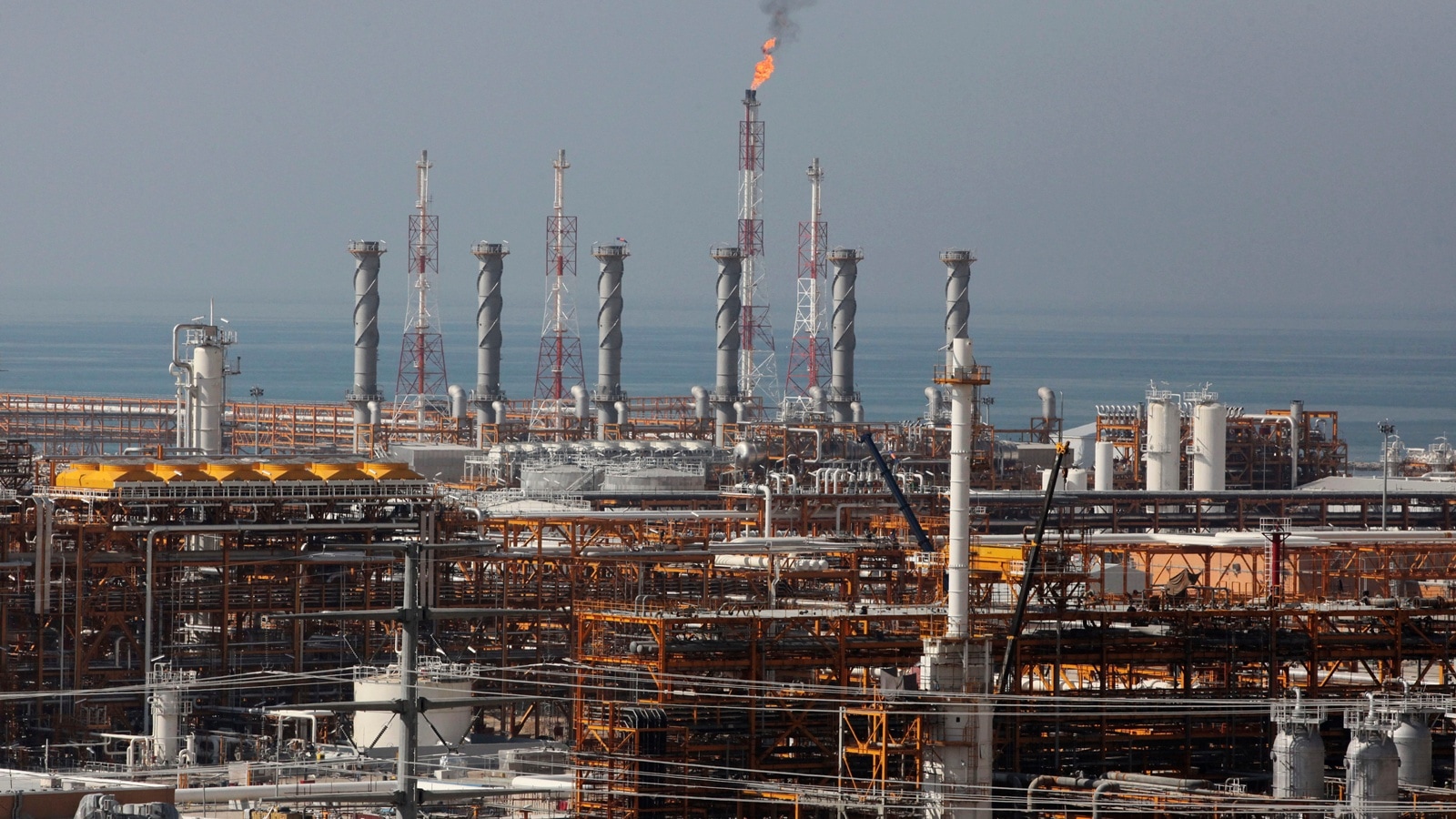
Energy markets do not just price the cost of extraction and refinement; they price the probability of delivery. When energy installations in the Gulf—ranging from processing plants to tankers—come under fire, the market responds through the "Geopolitical Risk Premium." This premium is an intangible but punishing tax on every barrel of oil India purchases.
The Insurance Feedback Loop
The primary mechanism through which these attacks hit the Indian economy is the War Risk Insurance premium. Maritime insurers categorize the Persian Gulf as a high-risk area. Following a strike:
- Direct Premium Hikes: Underwriters immediately raise the cost of hull and machinery insurance.
- Additional Premium (AP) Areas: Ship owners are charged extra for every 7-day period they spend within the contested zone.
- Freight Rate Spikes: To cover these costs, shipping companies pass the expense to the importer (India), often utilizing "Freight on Board" (FOB) or "Cost, Insurance, and Freight" (CIF) adjustments.
For India, a $1 increase in the price of a barrel of oil can expand the trade deficit by billions of dollars annually. When infrastructure is hit, the volatility alone causes "inventory holding risk," where Indian refiners must pay more to secure future supplies against the threat of a total blockade or systemic failure.
The Strategic Bottleneck: The Malacca-Hormuz Dependency
To understand India's "deep concern," one must map the physical flow of energy. The Strait of Hormuz is the world's most sensitive choke point. Unlike other regions, there are no viable immediate alternatives for the volume of crude required by India’s massive refining sector.
The Logistics of Interruption
If a processing facility on the Arabian Peninsula is disabled, the ripple effect follows a predictable failure logic:
- The Grade Substitution Problem: Indian refineries are often calibrated for specific "sour" grades of Middle Eastern crude. A disruption at a specific installation cannot be solved by simply buying "sweet" crude from West Africa or the US without significant efficiency losses and technical recalibration of refinery equipment.
- The Storage Buffer Ceiling: India’s Strategic Petroleum Reserves (SPR) are designed to provide a safety net for approximately 9 to 12 days of net imports. While this provides a buffer against short-term "hiccups," it is insufficient against a sustained campaign of attrition targeting energy infrastructure.
The "need to cease" these attacks, as voiced by Indian officials, is a plea for the maintenance of the status quo in a region where India lacks the blue-water naval capacity to independently secure every commercial vessel.
The Three Pillars of Indian Energy Vulnerability
The vulnerability of India to Gulf-centered conflict is categorized by three distinct structural weaknesses.
1. Macroeconomic Exposure
India’s inflation targeting framework is highly sensitive to energy prices. Because fuel is an input for almost every good (via transport and logistics), a spike in Brent crude translates directly into a rise in the Consumer Price Index (CPI). This limits the Reserve Bank of India’s (RBI) ability to manage interest rates, effectively allowing foreign kinetic attacks in the Gulf to dictate Indian domestic monetary policy.
2. The Remittance-Energy Paradox
There is a secondary, often overlooked, feedback loop. Over 8 million Indians work in the Gulf Cooperation Council (GCC) countries. These workers send back billions in remittances, which help balance India’s current account. Attacks on energy infrastructure threaten the economic stability of the host nations, potentially leading to job losses and a reduction in remittance inflows. India thus faces a "double-hit": paying more for energy while receiving less in foreign exchange.
3. Diplomatic Multi-Alignment Constraints
India’s "Strategic Autonomy" policy requires it to maintain relations with all regional players—Iran, Saudi Arabia, the UAE, and Qatar. When energy installations are targeted, India is forced into a diplomatic minefield. Explicitly blaming one actor risks alienating a key supplier or a regional security partner. Consequently, Indian statements remain targeted at the actions (the attacks) rather than the actors, a tactic designed to preserve procurement optionality.
Mechanisms of Asymmetric Warfare in Energy Corridors
The shift from conventional state-on-state conflict to the use of Unmanned Aerial Vehicles (UAVs) and "suicide boats" has changed the cost-benefit analysis of regional actors.
- Low-Cost vs. High-Value: A drone costing $20,000 can cause millions of dollars in damage to a refinery’s stabilization tower or an oil storage tank.
- Attribution Obfuscation: These attacks are often designed to be deniable. This creates a state of "permanent gray-zone conflict" where the threat is never fully removed, keeping insurance rates permanently elevated.
India's insistence that these attacks "need to cease" acknowledges that the traditional security architecture of the Gulf—once guaranteed by Western naval hegemony—is fraying. The democratization of precision-strike technology means that even non-state actors can now threaten the energy security of a nuclear-armed subcontinent.
The Strategic Shift: De-risking the Gulf Dependency
India is already responding to these vulnerabilities through a multi-pronged diversification strategy, though the transition remains slow.
- Geographic Diversification: Significant increases in imports from Russia, the United States, and Guyana are intended to reduce the "Hormuz Concentration Risk." However, the Middle East remains the most logistically efficient and cost-effective source due to its proximity.
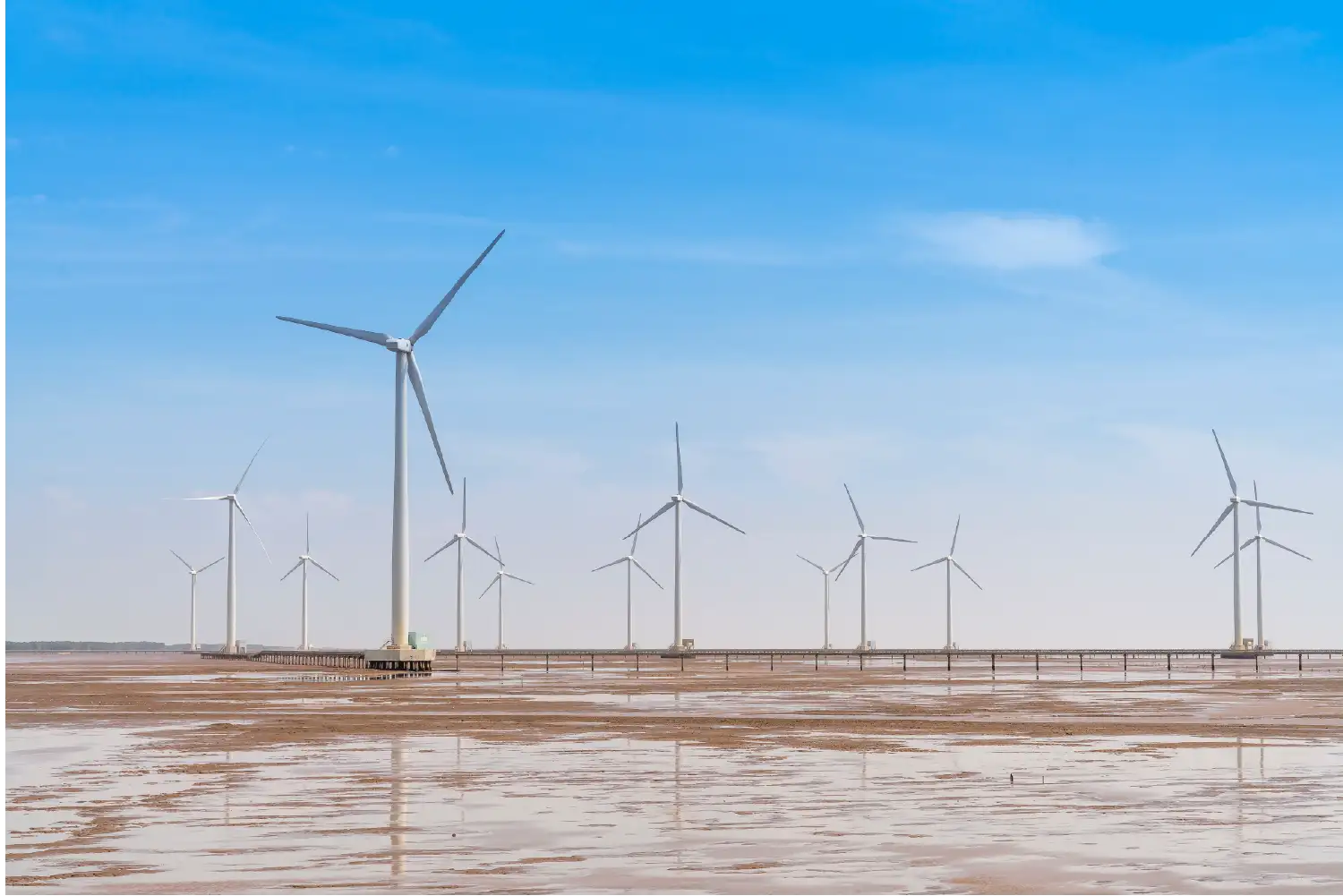
- Energy Mix Transformation: The aggressive push into green hydrogen, solar, and nuclear energy is a long-term hedge against the volatility of the fossil fuel corridor.
- The IMEC Alternative: The India-Middle East-Europe Economic Corridor (IMEC) is envisioned as a way to create more robust, multi-modal links, though its primary focus is trade rather than crude oil pipelines.
The Limits of Diversification
Diversification is not a panacea. The global oil market is a "single pool." Even if India buys less from the Gulf, a major disruption there spikes the global price of oil everywhere. India cannot "buy its way out" of Gulf instability; it can only mitigate the direct physical supply risk.
Strategic Play: The Path Forward
India’s roadmap involves moving beyond mere "concern" toward active participation in regional maritime security and energy diplomacy.
- Naval Escort Normalization: India must expand "Operation Sankalp," where the Indian Navy provides escorts for Indian-flagged tankers. This reduces the reliance on foreign security guarantees and helps stabilize insurance assessments for domestic shippers.
- Refinery Flexibility Upgrades: Investing in the technical capability of refineries to process a wider "basket" of crude oils will reduce the dependence on specific Gulf grades. This "technological optionality" is a critical strategic cushion.
- Expansion of Overseas Assets: India’s ONGC Videsh must accelerate the acquisition of upstream assets in "low-intensity" regions. Owning the source of production provides a natural hedge against price volatility, even if the physical barrels are swapped on the global market.
- The Strategic Reserve Expansion: The current SPR capacity is a tactical buffer; it is not a strategic solution. Doubling the storage capacity to cover 30 days of imports is the minimum required to provide real leverage in a prolonged regional crisis.
The objective is to transform from a passive consumer of Gulf stability into an active stakeholder in the regional security architecture. India’s energy security is no longer a domestic policy issue; it is a blue-water naval requirement and a high-stakes diplomatic necessity. The "unacceptable" nature of these attacks stems from the fact that they expose the fragility of India’s economic rise to variables it does not yet fully control.
Move toward securing long-term, fixed-price supply contracts with non-Gulf entities while simultaneously offering "Security-for-Energy" partnerships with GCC states to ensure the physical protection of shared assets. This creates a vested interest for regional powers to shield Indian-bound shipments from the fallout of local rivalries.