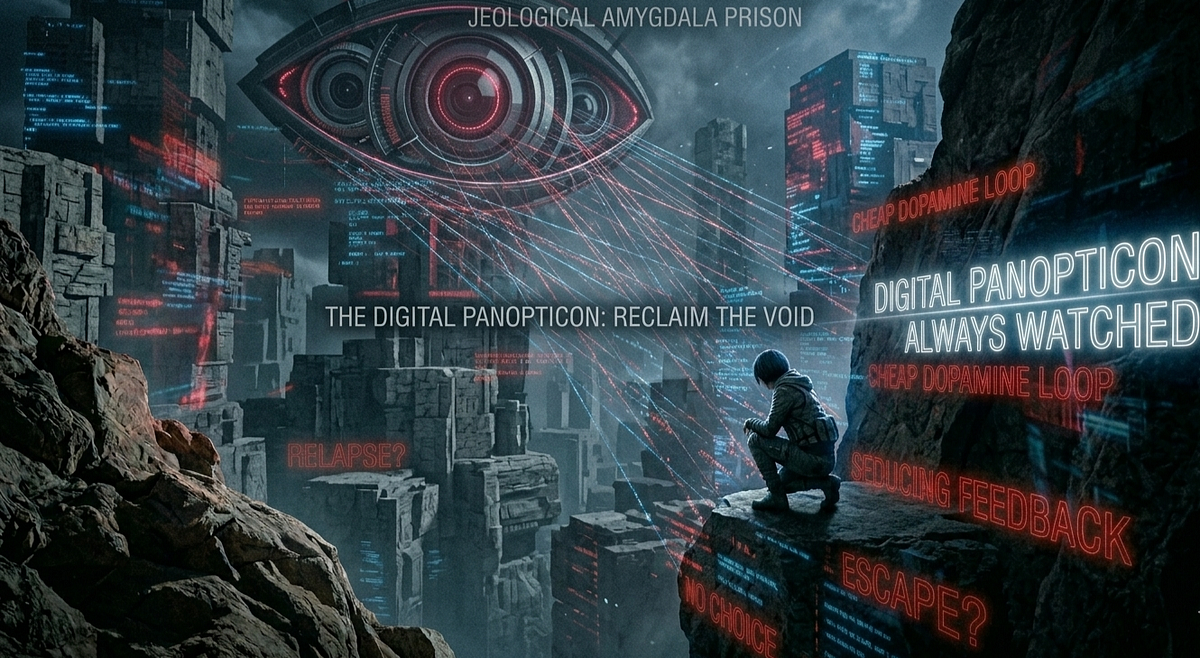
The Great Synthetic Backlash Breaking Platforms
Platforms built on user connection are quietly turning off the automated floodgates. Spotify, LinkedIn, and countless other networks are erecting defensive walls against low-effort automated content. Automated text, cheaply generated imagery, and algorithmically bloated audio are clogging recommendation feeds. Companies that once chased volume are realizing that uncurated digital trash destroys user trust faster than an empty inbox.
The rush toward automated production promised cheap efficiency. Instead, it delivered a saturation crisis. When every user can spawn a thousand articles or playlists per hour, the currency of attention collapses. Platforms face an existential threat. If feeds become entirely machine-generated noise reading other machine-generated noise, human participants log off permanently. The counteroffensive is messy, expensive, and long overdue.
The Economics of Infinite Content
Cheap generation broke the basic supply and demand curve of digital media. For decades, publishing required friction. Writing an essay took hours; recording a podcast required a microphone and editing software; building a professional post required actual career experience. That friction acted as a natural quality filter.
Automation dissolved that friction entirely. Bad actors and growth hackers discovered they could flood networks with infinite variations of keyword-stuffed posts to game recommendation algorithms. The marginal cost of creation dropped to zero. But the cost of consumption remained bounded by human attention spans.
Users did not ask for endless volume. They asked for relevance. When algorithms prioritize engagement metrics above all else, systems naturally reward the loudest, most frequent publishers. Automated generators stepped into this incentive structure. They produced a tidal wave of repetitive thought leadership on LinkedIn, generic AI-generated tracks masquerading as ambient music on Spotify, and keyword-optimized articles poisoning search engines.
The business model of major platforms relies entirely on retention. Advertisers pay for human eyeballs, not bot-to-bot data traffic. When feeds degrade into unrecognizable noise, users migrate elsewhere. That realization forced executives to pivot from growth-at-all-costs metrics to active decontamination.
Spotify and the Audio Flood
The music industry has wrestled with automated tracks for years, but the current wave goes far beyond automated drum loops. Bad actors upload millions of synthetic tracks designed to siphon royalty pennies from automated playlists. Some tracks mimic popular indie genres with uncanny precision, designed purely to trigger passive background streams.
Spotify responded by tightening distribution channels and adjusting royalty payout thresholds. Tracks that fail to clear minimum streaming hurdles before triggering payments get deprioritized. Major distributors face strict audits. Algorithms now scan incoming audio files for structural signatures common to generative audio models.
Yet, the cat-and-mouse dynamic persists. Generative audio tools improve monthly. Producers of synthetic music alter their generation parameters to bypass initial audio filters. The platform cannot simply ban automated tools entirely, as legitimate producers rely on software synthesizers and digital audio workstations. Drawing the line between creative assistance and automated spam requires nuanced detection models that constantly lag behind new generation techniques.
LinkedIn and the Professional Noise Crisis
The professional networking space faces an entirely different flavor of synthetic garbage. Career feeds used to feature actual industry insights, project updates, and nuanced discussions. Today, opening LinkedIn often reveals an endless parade of identical posts.
Every automated post follows the exact same formula. A dramatic one-sentence hook. Generative spacing between lines. Corporate platitudes about resilience, leadership, and hustle. A forced question at the end to game the comment algorithm.
This homogenized style emerged because growth agencies packaged generative text models into turnkey marketing tools. Executives outsourced their professional voice to machines. The result is a sterile wasteland of corporate narcissism where nobody sounds like a human being.
LinkedIn reacted by tweaking its core feed ranking algorithms. Content that relies purely on engagement bait mechanisms gets heavily suppressed. Human-centric verification programs, like identity confirmation badges, rolled out to give real professionals an edge over automated networks. But the sheer volume of outbound automation tools makes complete eradication impossible through software alone. Users must actively unfollow connections who outsource their thoughts to servers.
The Detection Arms Race
Building filters against synthetic content introduces severe engineering challenges. False positives alienate legitimate creators. If an automated moderation system flags a human writer’s dense prose or an artist’s experimental track as machine-generated, the platform damages its most valuable relationships.
Current detection mechanisms rely on statistical perplexity and burstiness. Human writing exhibits irregular patterns in sentence length and vocabulary choices. Automated generation tends toward statistical predictability, smoothing out the jagged edges of human thought.
However, prompt engineering and fine-tuning techniques allow operators to inject deliberate randomness into synthetic outputs. These humanized parameters fool basic detection filters. As a result, trust and safety teams spend millions of dollars building proprietary classifiers that quickly become obsolete.
Platforms are also exploring cryptographic provenance standards. Initiatives like the Coalition for Content Provenance and Authenticity attempt to embed invisible metadata into digital assets at creation. If an image, article, or audio file lacks a cryptographic signature proving human authorship or approved origin, platforms can automatically downgrade its visibility.
Implementation remains patchy. Bad actors simply strip metadata before uploading. Decentralized hosting networks ignore provenance tags entirely. Technology standards cannot fix a cultural addiction to cheap volume.
Beyond the Filter Bubble
The war on synthetic clutter forces a fundamental rethinking of how digital communities operate. Open publishing models assume good faith participation. When bad actors exploit openness to extract rent or manipulate visibility, platforms are forced to introduce gatekeepers.
This dynamic pushes the internet toward closed ecosystems. Verified accounts, paid memberships, and invitation-only communities are surging in popularity because people desperately want refuge from automated noise. Substack, Discord servers, and private Slack groups thrive precisely because they are insulated from algorithmic feed optimization.
The irony is stark. Networks designed to connect the entire world are fracturing into walled gardens for self-preservation. Companies that fail to aggressively purge automated junk will find themselves presiding over ghost towns populated entirely by bots talking to bots while real humans look for better places to gather.