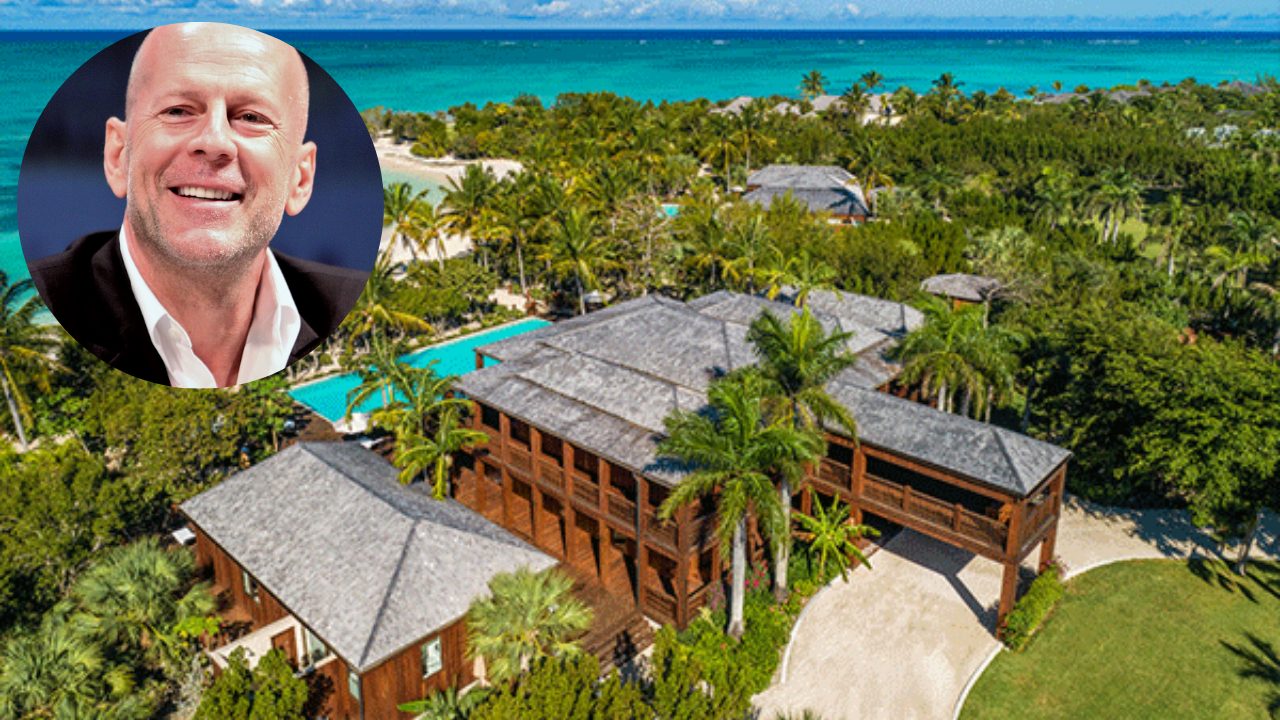
In the year 2000, actor Bruce Willis acquired 7.3 acres of raw, undeveloped coastline on Parrot Cay in the Turks and Caicos Islands. Over the following four years, that pristine ribbon of sand transformed into a sprawling private compound featuring three hardwood-clad residences, four swimming pools, and extensive beachfront verandas. When the property ultimately sold for $27 million in 2019, it secured its place as one of the most significant residential transactions in the region's history. Yet, standard celebrity real estate coverage treats such projects as mere vanity acquisitions, ignoring the complex logistics, high-stakes capital management, and localized development hurdles required to tame a remote tropical island.
Building on a private Caribbean island is an exercise in extreme logistical friction. Unlike developing a parcel in Los Angeles or New York, Parrot Cay demands that virtually every raw material, specialized builder, and piece of heavy equipment be shipped across open water. Willis did not simply buy a ready-made luxury home; he acted essentially as a project manager overseeing a multi-year infrastructural undertaking. Constructing three distinct homes—comprising a massive six-bedroom main house flanked by two separate guest villas totaling over 13,500 square feet of interior space—required navigating complex supply chains and enduring years of architectural revisions.
The financial mechanics behind ultra-prime island real estate reveal a distinct risk profile. When Willis and his wife, Emma Heming Willis, initially placed the compound on the market in 2019, the asking price was set near $33 million. The eventual $27 million sale price represented a $6 million discount from the original target. Luxury properties in remote global enclaves frequently sit on the market for extended periods because the pool of prospective buyers capable of maintaining a multi-million-dollar tropical compound is vanishingly small. Liquidity in these remote markets is low, meaning sellers must frequently absorb valuation adjustments when shifting portfolio assets.
This transaction was not an isolated event. It coincided with a broader consolidation of Willis's global real estate holdings, which included the disposal of properties in Bedford, New York, and Sun Valley, Idaho. As personal circumstances evolved—accelerated by his later retirement from acting due to aphasia and a desire to centralize family life on the West Coast—maintaining a sprawling, labor-intensive Caribbean fortress ceased to be practical. The Parrot Cay compound transitioned from a private family haven where the couple renewed their wedding vows in 2019 to a capital asset that needed strategic liquidation.
The wider economic footprint of such private estates on boutique islands like Parrot Cay extends far beyond individual celebrity biographies. High-net-worth investments drive local employment, stimulate high-end tourism infrastructure, and elevate the global profile of British Overseas Territories in the Caribbean. When major figures plant flags in emerging luxury corridors, they act as inadvertent economic catalysts, validating the destination for other ultra-wealthy buyers and commercial hospitality brands alike.
Ultimately, the narrative of the Parrot Cay compound is less about Hollywood glamour and more about the lifecycle of extreme wealth management. It demonstrates the immense cost of crafting isolation from scratch, the realities of liquidity friction in bespoke property markets, and the eventual necessity of downsizing when life demands a simpler horizon.