The bill for Hong Kong’s aggressive pandemic-era intervention has finally come due. Taxpayers are currently staring down a $28.5 billion (HK$223 billion) hole created by the Special 100% Loan Guarantee scheme. What began as a desperate lifeline to keep small and medium enterprises (SMEs) from collapsing during the height of Covid-19 has transformed into a massive transfer of public wealth to private debt failure. As of early 2026, the default rate has climbed to levels that make the initial government projections look like wishful thinking. This isn't just a budget line item. It is a fundamental failure of credit risk management on a city-wide scale.
The mechanics of a guaranteed disaster
The scheme was simple by design. To prevent mass unemployment, the government offered a 100% guarantee on loans provided by banks to struggling businesses. This meant banks had zero skin in the game. If an SME failed to pay, the government—and by extension, the public—picked up the entire tab. This removed the primary incentive for banks to perform rigorous due diligence. When you remove the risk of loss from a lender, the lender stops acting like a gatekeeper and starts acting like a processing clerk.
By the time the application window closed, the government had approved over $140 billion in loans. The sheer volume was staggering. Thousands of restaurants, retail shops, and logistics firms grabbed the cash to cover payroll and rent. But as interest rates rose and the post-pandemic recovery proved more sluggish than the "V-shaped" miracle promised by officials, the cracks began to widen.
The ghost companies and the exit strategies
It would be naive to assume every defaulted dollar went toward a noble attempt to save a family business. Investigative scrutiny into the default patterns reveals a troubling trend of "ghosting." In numerous cases, directors of SMEs took the maximum loan amount, paid themselves "consultancy fees" or "back wages," and then shuttered the company the moment the principal repayment holiday ended.
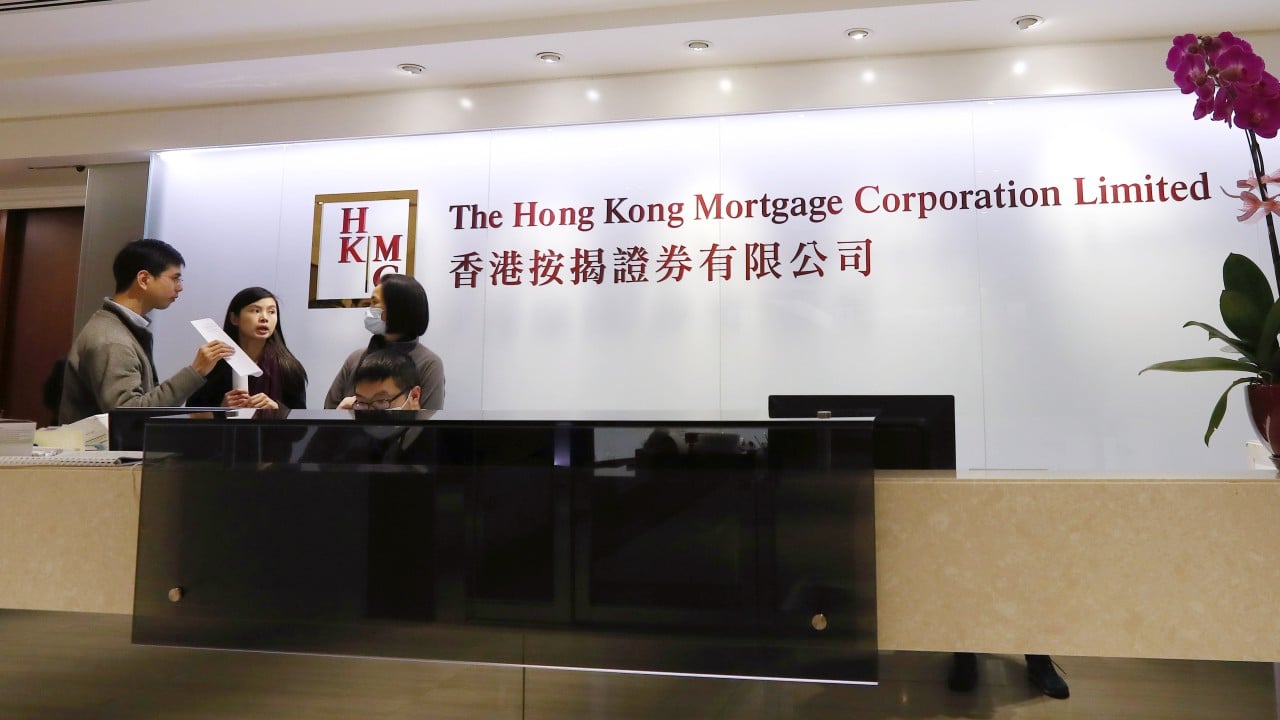
Because the loans were unsecured and the guarantee was absolute, the recovery process is a nightmare. The HKMC Insurance Limited, which manages the scheme, is now tasked with chasing shadows. Many of these businesses no longer exist. Their assets were negligible to begin with. The "protection" offered to taxpayers is largely theoretical. We are seeing a systemic moral hazard where the cost of failure was entirely socialized while the temporary benefits were strictly private.
The structural trap of the grace period
A major driver of the current $28 billion crisis was the repeated extension of the "principal moratorium." For years, businesses were allowed to pay only the interest on their loans. This created a false sense of stability. It allowed "zombie firms"—companies that are technically insolvent but kept alive by cheap credit—to continue occupying market share and resources.
When the music finally stopped and principal payments were required, these companies folded instantly. They hadn't used the intervening years to pivot or find new revenue streams. They had simply burned through the loan to stay in a holding pattern. The government effectively paid $28 billion to delay an inevitable market correction, and in doing so, they made the eventual crash more painful and more expensive.
Why the banks are silent
You won't hear much criticism of this scheme from the banking sector. Why would you? The banks earned processing fees and maintained client relationships without taking a cent of risk. In a traditional lending environment, a 5% or 10% default rate would be a catastrophe for a bank's balance sheet. Here, it is merely a clerical exercise of filing a claim with the government to get reimbursed.
This setup distorted the local credit market. It funneled capital toward businesses that the free market had already judged as non-viable. Meanwhile, new, innovative startups that didn't have the "historical payroll data" required by the scheme struggled to find funding. We traded the future of the economy for a temporary preservation of its least efficient parts.
The impact on the public purse
Hong Kong is currently navigating a period of fiscal deficits that would have been unthinkable a decade ago. Every dollar spent covering a defaulted SME loan is a dollar that cannot be spent on healthcare, aging infrastructure, or the high-tech transformation of the city.
The $28.5 billion figure is not static. Analysts expect this number to grow as the remaining loans in the portfolio reach their maturity dates. If the default rate continues its current trajectory, we could see the total loss approach 25% of the original committed capital. This is a staggering hit to the Exchange Fund’s reserves.
The hidden cost of "too small to fail"
The logic behind the 100% guarantee was that SMEs are the "backbone" of the economy. While true in terms of employment, the policy failed to distinguish between a business with a future and a business that was already being disrupted by e-commerce and changing consumer habits. By attempting to save everyone, the government ensured that the eventual bill would be as large as possible.
We are now seeing the secondary effects. The government has had to tighten its belt in other areas. Public services are feeling the squeeze. The irony is that the very taxpayers who are funding these defaults are often the same people who lost their jobs when these SMEs eventually closed anyway. They paid twice: once with their taxes and once with their livelihoods.
The path to recovery is blocked by bureaucracy
Chasing these bad debts is proving to be an exercise in futility. The legal costs of pursuing a $2 million default from a shell company often exceed the amount that can be recovered. This has led to a "write-off" culture within the departments managing the fallout.
There is also the political dimension. No official wants to be the one to admit that a signature policy was a multi-billion dollar blunder. Consequently, the rhetoric remains focused on "supporting the economy" rather than admitting that the credit controls were non-existent. This lack of transparency prevents a proper post-mortem that could protect the city from making the same mistake in the next crisis.
A comparison with global peers
Hong Kong wasn't the only city to use loan guarantees, but the "100% guarantee" model was particularly extreme. In other jurisdictions, governments often required banks to retain 10% or 20% of the risk. This simple requirement ensured that lenders actually checked if the borrower had a viable plan. By opting for the 100% model, Hong Kong prioritized speed over safety, and we are now seeing the results of that trade-off.
The lack of a "skin in the game" requirement for lenders transformed the banking sector into a high-speed funnel for public money. The result was a massive surge in liquidity that may have actually contributed to local inflation in rent and services, further squeezing the businesses the scheme was supposed to help.
The permanent shift in fiscal reality
The $28 billion loss has effectively changed the rules of the game for Hong Kong’s financial future. The city can no longer boast of a bottomless pit of reserves that can solve any problem. Every future policy will be viewed through the lens of this massive loss.
The immediate concern is the remaining $110 billion in outstanding loans. If the economy faces another external shock—be it from trade tensions or shifts in global interest rates—the default rate could spike again. We are not just dealing with a past mistake; we are sitting on a ticking financial time bomb that continues to drain the city’s resources month by month.
Strengthening the vetting process for the future
If there is any lesson to be learned, it is that a "one size fits all" approach to economic rescue is inherently flawed. Future interventions must include a tiered risk system. Businesses that show high growth potential or essential utility should be treated differently than those in sectors facing terminal decline.
The current system rewarded the loudest and the quickest, not the most deserving or the most sustainable. Without a radical overhaul of how government-guaranteed credit is allocated, the taxpayer will remain the ultimate insurer of last resort for every poorly managed business in the territory.
The reality of the write-offs
We must accept that a significant portion of this $28 billion is simply gone. It is not "on loan," and it is not "restructuring." it is a direct transfer from the public treasury to a void. The focus now must shift toward aggressive auditing of the largest defaults to ensure that fraud was not a factor.
The public deserves to know how many of these defaulted loans were taken out by companies with identical directors or those who shifted assets to personal accounts before declaring bankruptcy. Without a high-profile crackdown on the most egregious cases of abuse, the message to the market is clear: if the government offers a guarantee, take the money and run.
The era of "free" pandemic money is over, but the hangover will last for a generation. Hong Kong must now decide if it will continue to subsidize failure or if it has the stomach to let the market finally clear the deadwood that it has been paying to preserve.