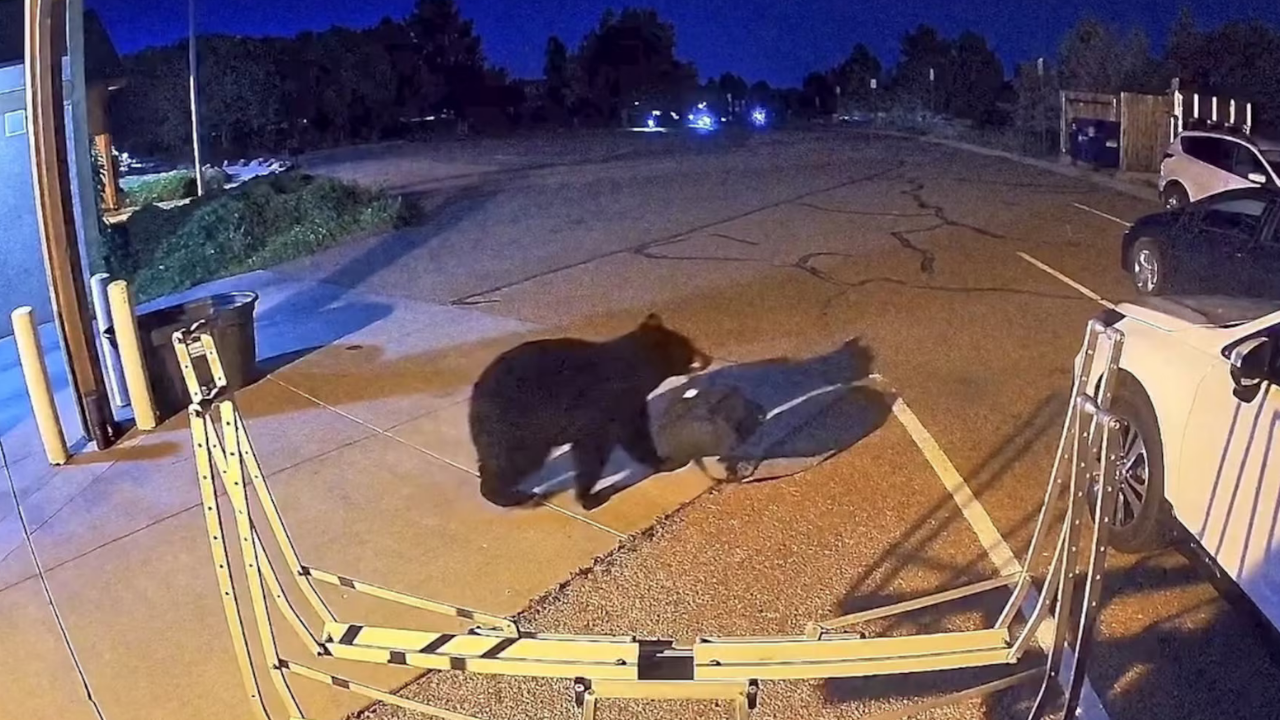
A homeowner in Granby, Colorado walked down his hallway recently to find two young black bear cubs standing right inside his house. They eventually bolted, but the terrifying encounter isn't an isolated oddity. Across the American West and beyond, wild animals are showing up in kitchens, local shops, and school yards because their natural food sources have completely dried up.
If you live anywhere near bear country, you've probably noticed an uptick in local sightings. Wildlife departments are logging record-shattering numbers of conflicts, and experts are warning that the situation is pushing both humans and animals toward dangerous territory. Understanding why this is happening requires looking past simple panic and examining the hard ecological shifts driving these animals out of the woods.
The Drought and Calorie Crisis
At the core of this surge is a brutal reality: bears are simply starving. Roughly 90 percent of a black bear's natural diet consists of plants, grasses, berries, and nuts. When severe droughts and unusually dry winters hit the region, those essential food supplies wither away before they can properly grow.
Bears have an incredible sense of smell, often compared to a bloodhound's. When the mountains fail to provide enough calories, they turn their noses toward human settlements. Garbage cans, unsecured pet food, backyard bird feeders, and fruit trees smell like an absolute feast to an animal facing a severe deficit. Once a bear realizes a suburban neighborhood offers easy, high-calorie meals with zero effort, it won't just stay in the woods.
The numbers back up the panic. Colorado Parks and Wildlife recorded thousands of sightings and conflicts in a single season, nearly doubling previous benchmarks and obliterating historic records. Similar spikes are playing out across New Mexico, Utah, Montana, and California, while international regions like Japan are facing identical climate-driven crises.
Human Expansion Meets Recovering Populations
Environmental stress is only part of the puzzle. Over the last several decades, human populations in mountain states have doubled or tripled, expanding housing developments directly into historic wildlife corridors and foraging zones. We built our homes right where bears used to roam freely.
At the same time, successful conservation efforts over the past century mean black bear populations have bounced back dramatically. States like Colorado now host massive, healthy populations numbering in the tens of thousands.
Put those three factors together—shrinking wild food, exploding human suburbs, and thriving bear numbers—and conflict becomes inevitable. It is a collision course between wildlife trying to survive and humans who prefer to leave their garage doors open.
The Deadly Cost for Wildlife
Most bear encounters end peacefully because bears naturally prefer to avoid humans. However, once an animal loses its fear of people and begins associating houses with food, the outcomes turn tragic.
Wildlife agencies are often forced to euthanize bears that enter occupied homes or display aggressive behavior. Hundreds of bears are killed annually across western states due to human-wildlife conflicts. In places like New Mexico and Utah, state authorities have reported record numbers of lethal removals.
Biologists worry intensely about the autumn months, a period known as hyperphagia. During hyperphagia, bears must consume massive quantities of food around the clock to build up the fat reserves they need to survive winter hibernation. If natural food remains scarce, the rush into towns could peak dramatically, putting communities on high alert.
Practical Steps to Protect Your Home
You don't have to live in helpless fear of a bear encounter. Simple, proactive adjustments around your property can dramatically reduce the chances of attracting a hungry visitor.
- Lock up your garbage: Standard plastic bins are practically made of paper to a 300-pound bear. Invest in certified bear-resistant containers and keep them locked inside a garage until the morning of trash collection.
- Ditch the bird feeders: Bird seed is pure, high-calorie sugar for a bear. Take feeders down entirely during the active spring, summer, and autumn months.
- Secure pet food and barbecues: Never leave pet food outside. Clean your grill immediately after every use so the grease and food odors don't drift into the woods.
- Manage fruit trees: Pick fallen fruit promptly and secure backyard orchards with electric fencing if bears are active in your neighborhood.
If you spot a bear near your home, give it plenty of space and make loud noises from a safe distance to scare it off before it becomes habituated. Keeping wildlife wild starts with denying them an easy meal at our back doors.