The legal standoff surrounding jailed former Prime Minister Imran Khan took a dramatic turn when Pakistan's Supreme Court ordered authorities to move him from prison to a private medical facility. For months, his party and family members raised alarms over his deteriorating physical condition inside Adiala Jail. Now, the apex court's directive forces a reluctant government to handle the high-profile prisoner under strict judicial oversight.
Inside the Supreme Court Directive
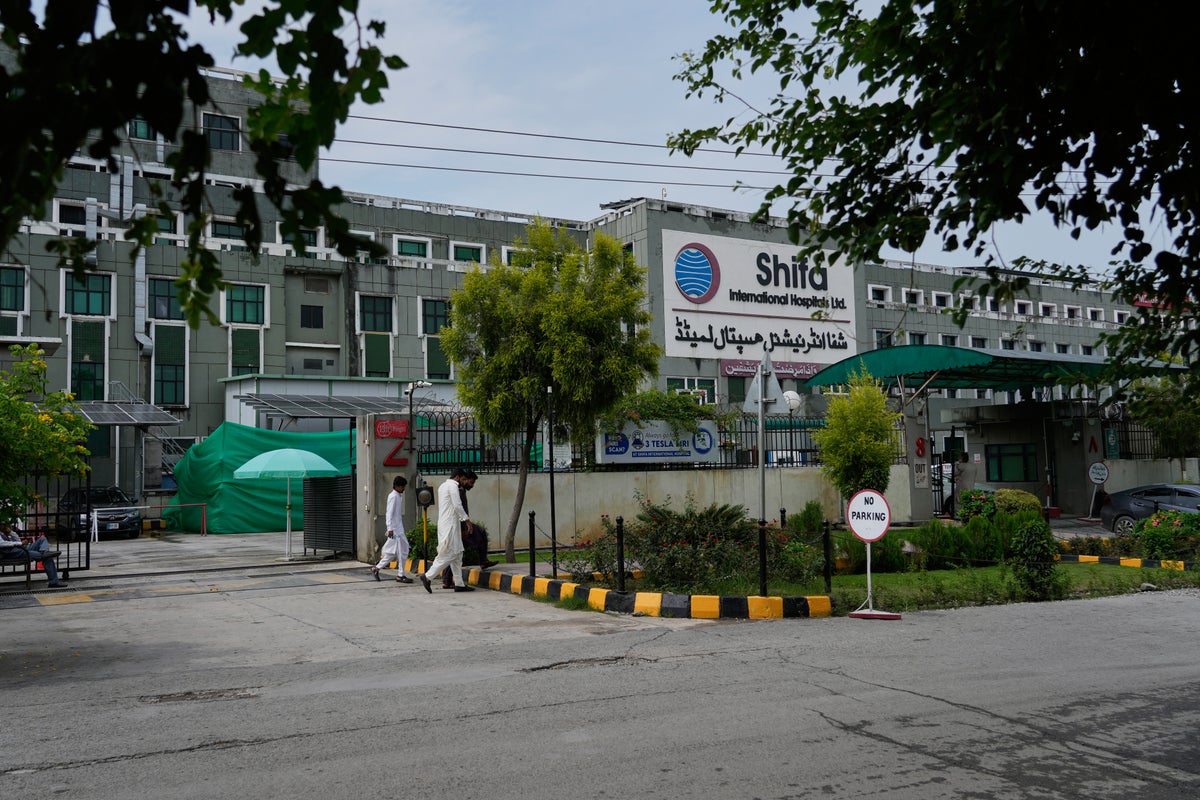
A three-member bench, headed by Justice Shahid Waheed, mandated that the 73-year-old former cricket star be shifted to Shifa International Hospital in Islamabad. The court acted on urgent petitions filed in response to worsening health metrics, particularly an ongoing eye ailment and mounting stress indicators.
The legal parameters set by the bench are precise:
- Imran Khan must remain hospitalized under independent specialist care until the next hearing on September 16.
- A designated medical board must oversee his treatment, which includes his personal physician alongside cardiology and general medicine specialists.
- Authorities must grant regular weekly family meetings, addressing a major friction point between the state and the Pakistan Tehreek-e-Insaf (PTI) leadership.
Justice Waheed explicitly stated that the ruling stems from protecting the fundamental rights and safety of any incarcerated individual, regardless of their political standing.
The Battle Over Medical Transparency
Prison authorities presented logs detailing dozens of routine check-ups since late 2023, arguing that adequate care was always available behind bars. Defense lawyers and independent observers rejected those assertions. Alarming assessments leaked by former political allies, including statements from former president Arif Alvi, highlighted severe blood pressure fluctuations, high anxiety, and heart rate irregularities that required continuous monitoring.
For months, communication blackouts turned every health update into a flashpoint. Supporters staged disruptive street demonstrations and sit-ins outside judicial complexes, demanding proof of life and unhindered access for family and legal counsel. By forcing an external transfer to a reputable private institution, the Supreme Court attempts to drain the political temperature surrounding his detention conditions.
Strict Conditions and Political Fallback
The judiciary didn't give a blank check to Khan's supporters. The bench warned PTI leadership that any breach of public order outside the hospital or attempts to weaponize the medical findings for political agitation could result in the immediate revocation of these granted privileges. Party leaders, including Salman Akram Raja and Zulfikar Bukhari, quickly urged workers to stay away from the hospital perimeter to ensure compliance and prioritize Khan's recovery.
Government ministers responded by stating they would implement the verdict in letter and spirit, emphasizing that the judiciary handles all decisions regarding the inmate's legal status and health provisions. Yet, the political reality remains volatile. While his convictions on various corruption and state gift charges keep him legally barred from immediate release, this medical intervention acknowledges the profound personal risks of prolonged solitary confinement.
Watch how strict enforcement of the medical board's findings unfolds over the coming weeks, because health updates from Shifa International will dictate the next chapter of Pakistan's ongoing constitutional struggle.