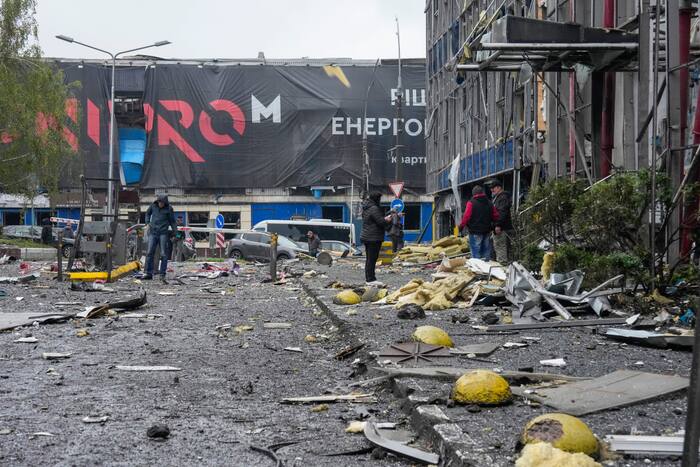
The operational landscape across the Middle East changed long before the headlines caught up. Recent reports confirm that Israeli forces neutralized three Hamas operatives in a targeted engagement, highlighting a relentless cycle of kinetic action and intelligence-driven friction. Yet, focusing solely on the tactical outcome misses the broader strategic mechanics at play. This report examines the operational realities, the intelligence architecture driving these targeted engagements, and the wider implications for regional stability.
The Intelligence Apparatus Behind the Strike
Modern military operations rarely rely on sheer chance. They depend on a dense web of signals intelligence, human assets, and persistent aerial surveillance. When a high-value target or an active cell is identified, the timeline from detection to execution compresses into minutes.
The three operatives eliminated in the recent engagement were reportedly tracked through urban corridors where non-combatants complicate every movement. Military planners face constant friction between precision and collateral risk. Urban warfare strips away traditional lines of engagement, turning dense neighborhoods into shifting battlegrounds where intelligence failures carry immediate, catastrophic costs.
The Cost of Attrition
Every kinetic strike alters the operational calculus for both sides. For the Israel Defense Forces, targeted operations serve as a method of degradation, systematically removing mid-level commanders and planners. However, military analysts note the inherent limitations of an attrition-based strategy.
- Tactical Disruption: Eliminating active cells temporarily halts local planning and communications.
- Recruitment Dynamics: High-profile losses often feed counter-narratives that assist organizations in replenishing their ranks.
- Command Adaptability: Decentralized command structures mean that individual losses rarely cause a permanent collapse in operational capacity.
The Regional Spillover and Diplomatic Stalemate
Beyond the immediate tactical theater, these ongoing engagements freeze diplomatic avenues. International mediators repeatedly attempt to negotiate ceasefires, yet both sides remain locked in rigid strategic postures.
Diplomatic channels frequently stall because the foundational demands of each faction contradict the other's survival metrics. Israel maintains that permanent security requires the dismantling of militant infrastructure, while Hamas and associated groups frame armed resistance as their core existential mandate. This structural impasse ensures that low-intensity skirmishes and sudden escalations will remain the default norm rather than the exception.
As intelligence agencies refine their digital and physical surveillance capabilities, the frequency of these targeted operations is unlikely to decrease. The fundamental question remains whether tactical dominance can ever translate into a sustainable political resolution, or if the region is simply bracing for the next inevitable cycle of violence.