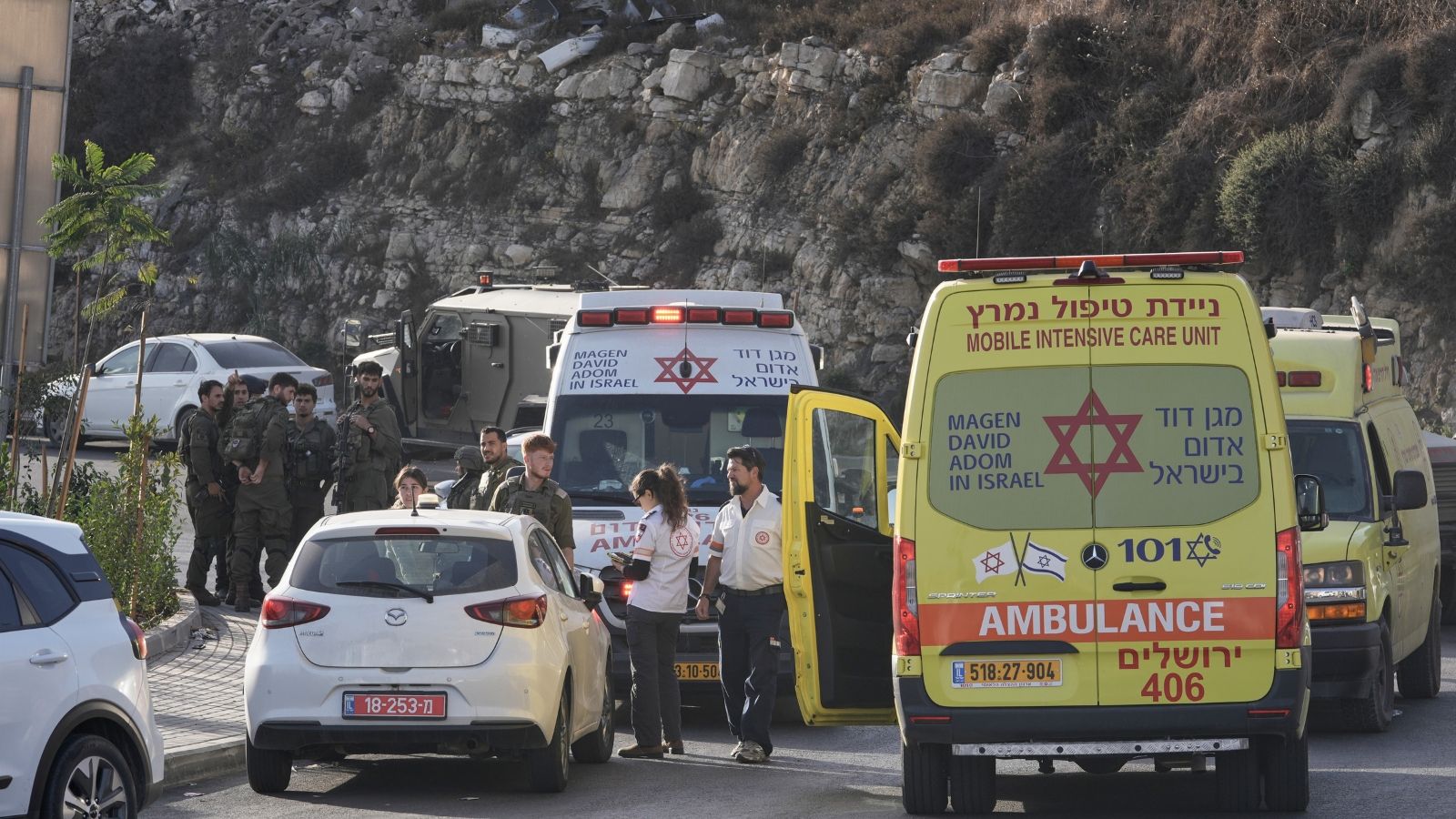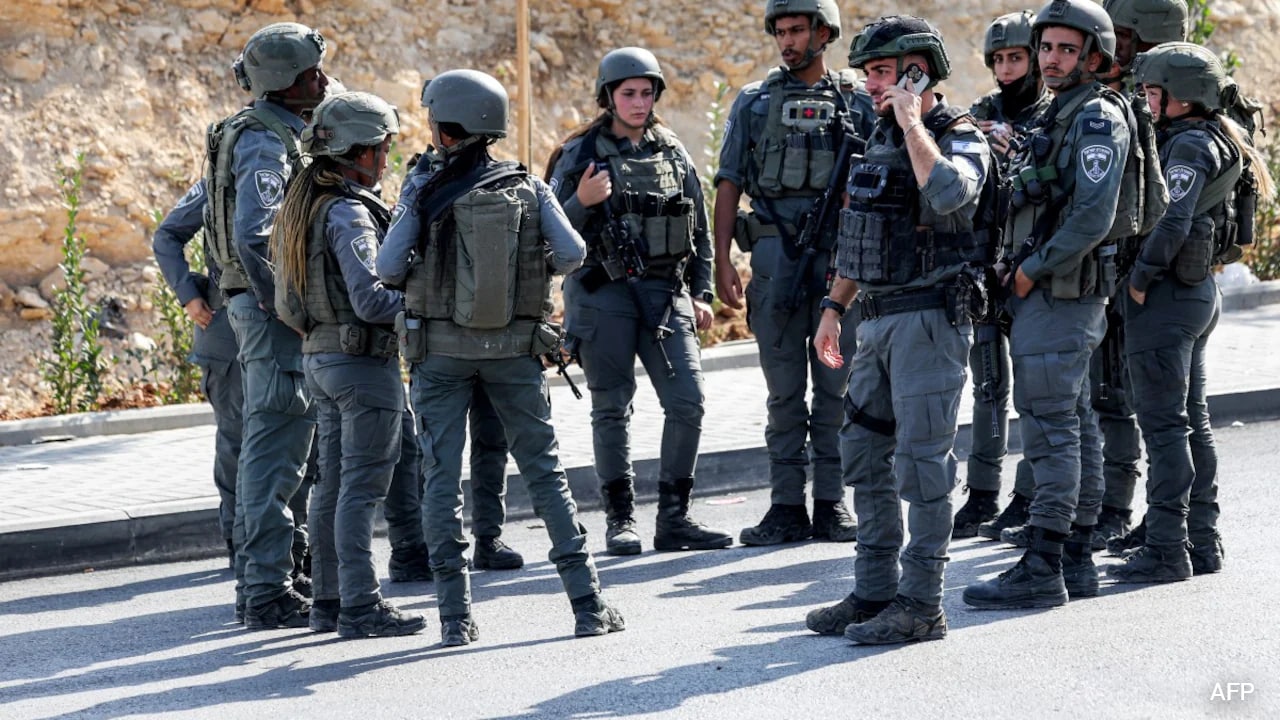
When Israeli forces close the West Bank following a fatal shooting and the killing of suspects labeled as terrorists, the immediate headline usually focuses on security and retaliation. Yet the real story sits underneath the checkpoints. Broad closures of the West Bank reshape daily life, economic survival, and political trust across millions of people long after the initial gunfire fades.
I have covered conflict zones and security policy long enough to recognize a familiar reflex. A violent attack happens. Troops move in. Suspects are killed or pursued. Gates and checkpoints tighten across Palestinian towns and villages. On paper, a closure looks like a clean, decisive act of containment. In practice, it operates like a blunt instrument that hits everyone while leaving the underlying drivers of violence untouched.
Why Closures Happen After Shootings
Security officials frame West Bank closures as an urgent effort to stop follow-up attacks, track suspects, and prevent riots from spreading. When shots are fired on a highway or near a settlement, commanders want immediate control over movement. Closing roads, sealing towns, or restricting entry into Israel gives the military time to gather intelligence and deploy reinforcements.
That logic has a clear operational appeal. Rapidly restricting movement can complicate a suspect's escape route or slow the transfer of weapons and fighters between districts. In the first few hours after a deadly shooting, speed matters to field commanders trying to protect civilians and soldiers.
The problem starts when temporary tactical measures turn into broad collective restrictions. A closure does not only stop armed actors. It halts ambulances, traps commuters in hours-long lines, blocks farmers from reaching fields, and severs supply chains between neighboring cities. Over time, what begins as a search operation becomes a physical border regime imposed on an entire population.
Critics and human rights researchers have long argued that sweeping closures blur the line between targeted law enforcement and collective punishment. Even when officials insist the steps are purely defensive, residents experience them as blanket suspicion. Every driver waiting at a flying checkpoint feels the weight of someone else's crime.
The Language of Threat and Labeling
Notice how official statements describe the people killed during these operations. Terms like "terrorists" appear immediately in military briefings and wire dispatches before independent verification or judicial review ever occurs. In high-tension environments, labels do heavy lifting.
Calling two dead men terrorists settles the moral frame in a single word. It signals that lethal force was justified, necessary, and clean. Sometimes those labels align with documented militant activity or active involvement in an attack. Other times, facts on the ground are murky, contested, or incomplete in the chaotic minutes after an exchange of fire.
Veteran correspondents learn to read official language with healthy skepticism. Militaries naturally prioritize speed and morale in their initial accounts. Local witnesses, families, and medical staff often tell a very different version of how an encounter unfolded, whether suspects posed an imminent lethal threat, or whether bystanders were caught in the crossfire.
When a West Bank closure accompanies the killing of alleged attackers, the narrative hardens quickly. The closure itself is presented as proof of severe danger. Anyone questioning the shooting or the lockdown risks being cast as indifferent to Israeli security. That dynamic narrows public debate and discourages tough questions about rules of engagement and proportionality.
The Hidden Economic Toll on Everyday Life
Closures rarely make front-page business sections, yet their economic impact is brutal and cumulative. The West Bank economy is tightly bound to movement. Workers travel to jobs inside Israel or industrial zones. Merchants move goods between Ramallah, Nablus, Hebron, and Jenin. Raw materials cross checkpoints on tight schedules.
Drop a sudden closure onto that fragile system and everything stalls. Perishable produce rots in trucks waiting for clearance. Factories run short of inputs or miss export windows. Daily-wage laborers lose income on the spot because a single closed junction turns a forty-minute commute into a multi-hour detour or an impossible trip.
Consider a hypothetical example of a small food distributor in Nablus trying to deliver dairy and baked goods to shops in Ramallah during a surprise lockdown. Normally, the trip takes under an hour. With main arteries shut and secondary roads clogged, the driver faces long delays, fuel burn, and the risk of confiscation or turning back. Even if the delivery eventually gets through, profit margins vanish and customer trust erodes. Multiply that single truck by thousands of businesses, workshops, and farms, and the economic damage compounds fast.
Palestinian officials and economists have pointed out for decades that closures deepen dependency and hollow out local enterprise. When investors cannot count on predictable transit, capital stays away or shrinks. Young people who cannot find steady work face bleak prospects, creating fertile ground for frustration and anger.
Israeli policymakers sometimes argue that economic incentives and security coordination can keep calm when movement is permitted. Yet security lockdowns repeatedly undercut that very stability. You cannot promise economic normalization while periodically locking down entire districts after violent incidents.
Security Paradoxes and Escalation
Here is the central paradox of West Bank closures. They are meant to project strength and restore calm, yet they frequently feed the cycle of hostility they aim to break.
Short-term deterrence is real in some instances. A heavy military presence can deter immediate copycat actions or disrupt an active cell in the short run. Commanders who answer to grieving families and anxious citizens face immense political pressure to look tough and act fast.
Long-term outcomes are far less reassuring. When ordinary residents are routinely punished for attacks they did not commit, resentment spreads beyond hardline militants. People who had no interest in armed struggle grow bitter toward checkpoints, night raids, and sudden lockdowns. Over years, that daily friction erodes whatever thin legitimacy remains for calm or compromise.
History offers plenty of warnings on this point. Across decades of conflict in the West Bank, cycles of shootings, killings, closures, and protests have repeated with grim regularity. Each round leaves deeper scars and fewer moderate voices on either side.
There is also a strategic cost for the Palestinian Authority. When Israeli closures paralyze movement and choke revenue, Palestinian security and civil institutions look weak and powerless in the eyes of their own public. Cooperation becomes harder to defend politically when residents see no relief from restrictions.
What Gets Overlooked in Fast News Cycles
Fast-moving breaking news tends to treat a West Bank closure as a single event rather than a recurring mechanism. A headline notes that the military closed the area after killing two suspects, and readers move on to the next alert.
What gets missed is the cumulative architecture of control. Permanent checkpoints, roadblocks, earth mounds, permit systems, and sudden closures form a layered grid across the territory. Even when a major closure is lifted after a few days, smaller restrictions often remain in place, or new ones appear somewhere else the following week.
Another overlooked factor is psychological wear. Living under constant uncertainty takes a quiet toll on mental health, schooling, and family life. Students miss exams or arrive late to universities. Patients delay medical appointments when travel times become unpredictable. Parents worry every time a son or daughter leaves home for work or school.
On the Israeli side, prolonged tension strains reservists, regular soldiers, and border police who carry out these operations. Policing a dense civilian population amid frequent violence creates intense stress and high stakes where a split-second error can cost lives or spark wider unrest.
The Real Stakes Behind Every Checkpoint
Anyone looking at a West Bank closure solely through the lens of a single shooting misses the bigger picture. Shootings and lethal raids are symptoms of a much deeper political and territorial deadlock. Without a credible path toward resolving core disputes over sovereignty, borders, security arrangements, and daily rights, tactical crackdowns will keep treating symptoms while the underlying illness festers.
Hard security measures alone cannot manufacture durable peace. Neither can ignoring the legitimate security fears of families who have lost loved ones in shootings. Both realities exist side by side, and pretending one cancels out the other only prolongs the standoff.
Watch what happens next time a shooting triggers a closure and lethal raid. Look past the initial statement and check who actually pays the price when the gates swing shut.