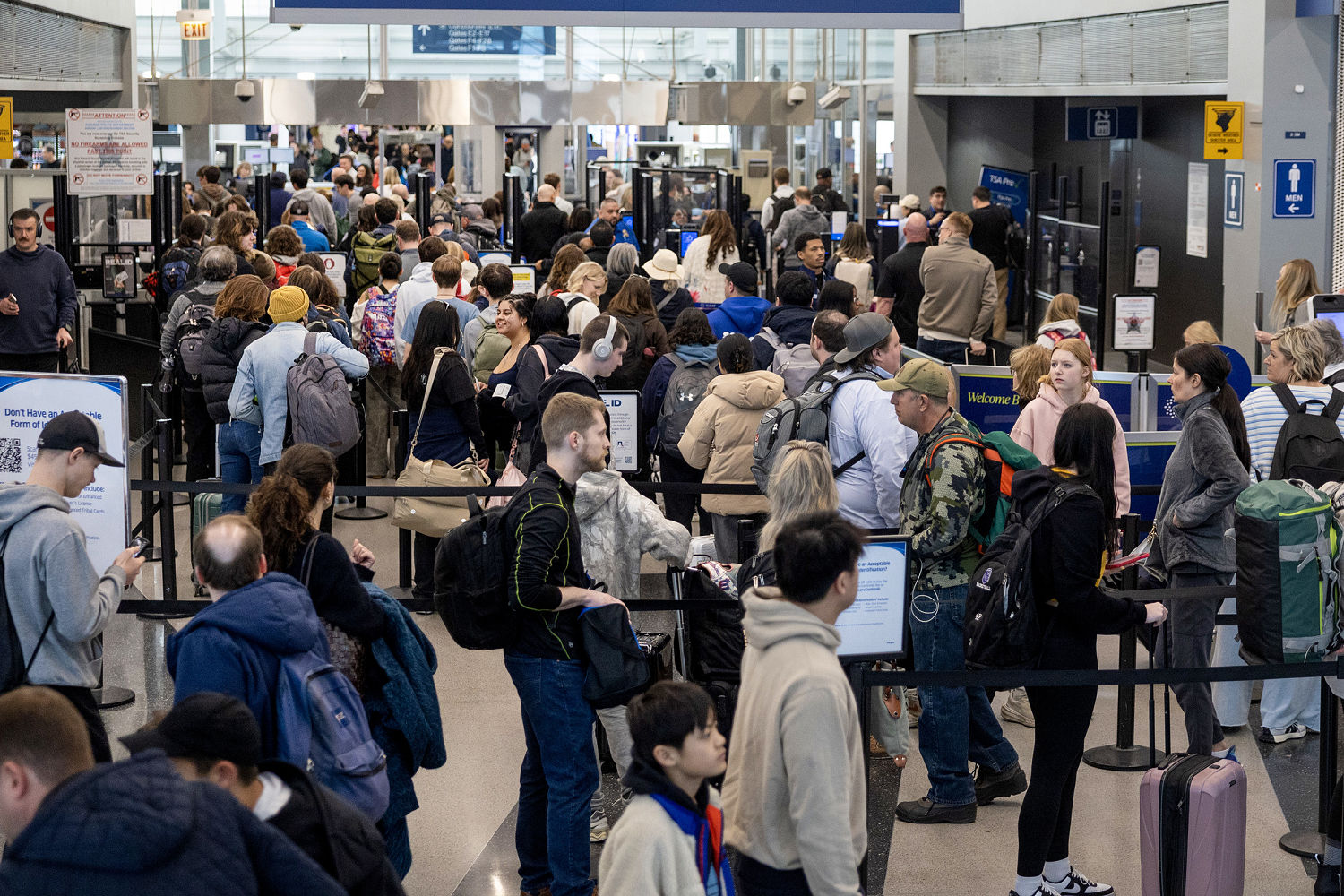
The coffee in Terminal 3 has been sitting in the pot for four hours. It tastes like burnt copper and broken promises. Across from the gate, a man named Elias—fictional in name but a composite of the three thousand weary souls currently haunting this concourse—stares at a departure board that hasn't changed its tune since dawn. He isn't just waiting for a flight to Des Moines. He is waiting for a group of people three hundred miles away in Washington D.C. to decide that his time, his money, and his sanity have value.
Elias is a technician. If he doesn't reach the medical imaging site by tonight, a rural hospital’s MRI machine stays dark. If the machine stays dark, patients wait. But the federal shutdown has trickled down into the very marrow of the aviation system. Security lines move with the agonizing lethargy of a glacier. Air traffic controllers are working their tenth consecutive day without a paycheck, their voices on the radio cracking with a fatigue that should terrify anyone at thirty thousand feet.
This is the reality of a government standstill. It isn't a headline. It is a headache that radiates from the cockpit to the curb.
The Friction of a Fraying Safety Net
We often think of the government as a distant entity, a collection of marble pillars and C-SPAN oratory. In reality, it is the invisible grease between the gears of our daily movement. When the funding stops, the grease disappears. Metal begins to grind against metal.
Consider the Transportation Security Administration (TSA). These are the men and women who stand between the chaotic energy of the terminal and the sterile safety of the sky. During a prolonged shutdown, they are expected to show up, maintain hyper-vigilance, and endure the misplaced rage of travelers—all while their own mortgage payments bounce and their grocery budgets vanish.
The math is brutal. When a TSA agent can't afford gas to get to the airport, they stay home. When they stay home, lanes close. When lanes close, a fifteen-minute breeze through security becomes a three-hour gauntlet of sweat and anxiety. For the traveler, it feels like personal bad luck. In truth, it is a systemic failure of basic maintenance.
Statistics rarely capture the look on a parent's face when they realize they’ve missed the only connection that would get them home for a funeral. They don't account for the small business owner watching a contract dissolve because their flight was canceled due to "staffing shortages" in an air traffic control tower. These aren't just delays. They are subtractions from the limited sum of our lives.
The High Cost of Doing Nothing
There is a pervasive myth that a shutdown only affects "non-essential" services. It’s a comforting thought, suggesting that the core of our society remains untouched while the fluff is trimmed away. But in the world of travel, nothing is non-essential.
The Federal Aviation Administration (FAA) oversees the safety inspectors who ensure planes are fit to fly. They oversee the training of new controllers. During a shutdown, the pipeline of talent freezes. We are already facing a national shortage of air traffic controllers—a deficit of roughly 3,000 workers according to recent agency reports. When the training academy in Oklahoma City shuts its doors, that gap doesn't just stay open; it widens.
Every day the doors are locked is a day we lose in the race against a crumbling infrastructure.
The economic ripple effect is equally devastating. Travel and tourism contribute over $1 trillion to the U.S. GDP. It is an industry built on the fragile foundation of predictability. When a traveler can't trust that their flight will take off, they don't book the hotel. They don't eat at the local bistro. They don't rent the car. The shutdown effectively taxes the poorest participants in the travel economy—the servers, the drivers, and the cleaning crews—to pay for a political stalemate they didn't ask for.
Beyond the Terminal
The frustration doesn't stop at the boarding bridge. For those seeking solace in the majesty of our National Parks, the shutdown offers a different kind of heartbreak. These are our "crown jewels," yet during a funding lapse, they become scenes of neglect.
Imagine driving twelve hours to see the ancient sequoias or the jagged peaks of the Tetons, only to find the gates locked or, worse, the trash cans overflowing and the sensitive ecosystems trampled because there are no rangers to provide guidance. This isn't just an inconvenience for tourists; it is a permanent scar on the land. When we stop protecting these places, we lose a piece of our collective heritage that a budget line can never fully restore.
The Psychology of the Stuck
There is a specific kind of helplessness that comes with being trapped in a terminal. It is a liminal space where you have no agency. You cannot go forward, and you cannot go back. You are at the mercy of a screen that tells you "Delayed" and a voice over the intercom that offers no apologies.
This helplessness is a microcosm of the national mood during a shutdown. We watch the news and see the same recycled arguments. We see the finger-pointing. We see the "blame game" mentioned in the headlines of yesterday's papers. But for the person sitting on the floor next to a charging station, the "why" matters far less than the "when."
When will the paycheck arrive?
When will the line move?
When will we be treated like the primary stakeholders of this country rather than the collateral damage of its politics?
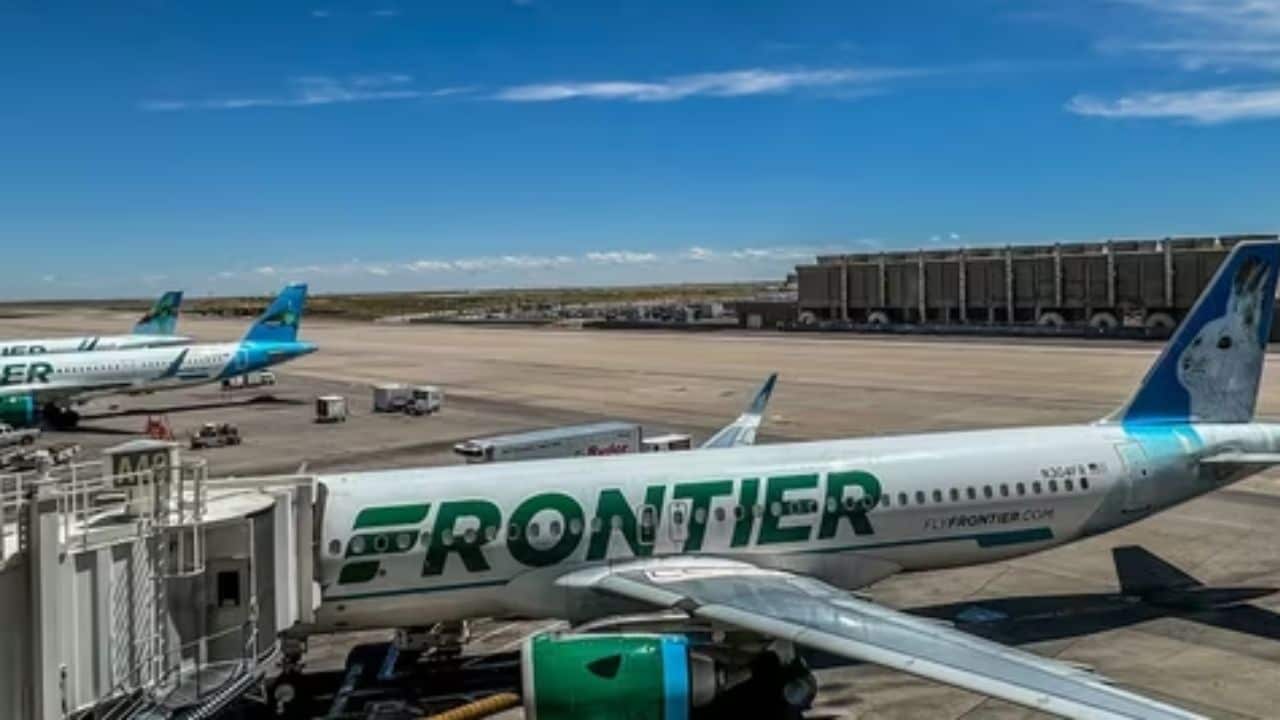
Elias eventually gives up on the copper-tasting coffee. He walks to the window and watches a lone plane taxi across the tarmac. It is a beautiful sight—a feat of engineering and human coordination. It represents our desire to connect, to work, and to explore. But without the people in the tower, the people at the gate, and the people in the halls of power doing their jobs, that plane is just a heavy piece of metal sitting in the dark.
The true cost of a shutdown isn't found in the billions of dollars lost to the Treasury. It is found in the quiet, cumulative exhaustion of a public that is tired of being told that their movement is a luxury that can be paused for a point of order.
The flight to Des Moines is finally canceled. Elias shoulders his bag. He doesn't yell. He doesn't demand a manager. He simply walks toward the exit, his shoulders slumped under the weight of a delay that has no scheduled end. He is going home to a house that is a little bit quieter and a world that feels a little bit more broken, waiting for the people who run the world to remember that he is still standing here.